Why Brushing a Dog Before Bathing Prevents Soapy Mats
You should brush your dog before bathing to remove loose hair and prevent soapy mats from forming. Water tightens tangles, trapping shampoo and moisture against the skin, which can lead to irritation and infection. A slicker brush or undercoat rake removes up to 90% of shedding hair, while a metal comb catches hidden mats. Proper pre-bath brushing keeps skin healthy, improves coat shine, and makes rinsing easier-plus, it cuts down on clogged drains. There’s more to get right with tools and timing.
We are supported by our audience. When you purchase through links on our site, we may earn an affiliate commission, at no extra cost for you. Learn more. Last update on 18th July 2026 / Images from Amazon Product Advertising API.
Notable Insights
- Brushing removes loose hair before bathing, preventing it from clumping into soapy mats.
- Dry tangles are easier to remove; water tightens them into painful, hard-to-rinse mats.
- Pre-bath brushing with the right tool detangles fur and uncovers hidden mats early.
- Wet matted fur traps soap and moisture, increasing risk of skin irritation and infection.
- Regular brushing reduces shedding hair by up to 90%, minimizing drain clogs and mat formation.
Prevent Soapy Mats With Pre-Bath Brushing
Tangles, loose hair, and hidden mats-your dog’s coat before bath time can trap more than just dirt. Brushing before a bath is essential grooming that removes loose hair and prevents painful, soapy mats from forming. When you skip brushing, tangles tighten with water and shampoo, making removing tangles harder and bathing uncomfortable. Wet matted fur can trap soap, leading to skin irritation and incomplete rinsing. Regular brushing prevents 90% of excess hair from clogging drains or clumping in the coat. Using the right tools-like the Mikki Ball Pin Slicker-makes removing tangles gentle, especially for long-haired dogs. Brushing isn’t just about cleanliness; it’s about comfort and health. A quick brush before every bath guarantees a smoother wash, better lather, and a healthier coat. Prevent matting before it starts-make brushing a non-negotiable step in your dog’s bath routine.
Choose The Right Brush For Your Dog’s Coat
Your dog’s coat type determines the right brush-not the other way around, and choosing correctly makes all the difference in preventing bath-time tangles and skin issues. To choose the right brush, first identify your dog’s coat type. For curly or wavy coats like poodle mixes, slicker brushes are essential-they reach deep tangles before they turn into soapy mats. Short-coated dogs, such as Greyhounds, do best with bristle brushes that remove loose hair without irritating smooth skin. Double-coated breeds like Huskies need undercoat rakes to pull out dead hair from thick underlayers, reducing shedding by up to 90% when used with a Furminator DeShedding Tool. Long-haired dogs, including Shih Tzus, require metal combs to catch hidden mats close to the skin. Matching brush type to coat type guarantees you’re using the right brush for your dog’s unique needs, keeping their coat healthy and mat-free.
Brush Your Dog Step-by-Step Before Bathing
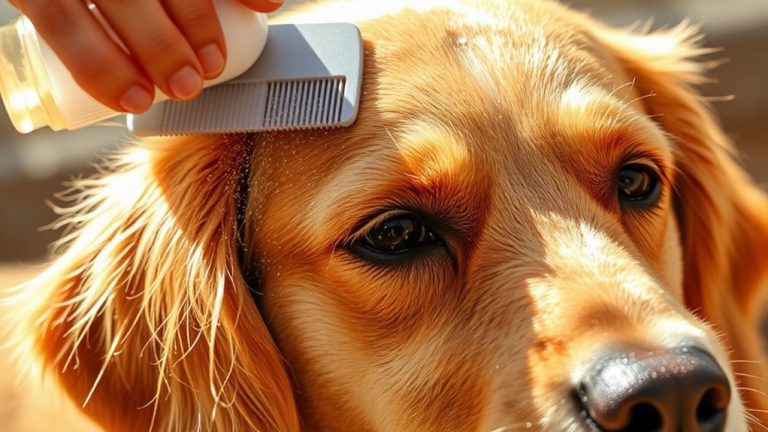
A dog’s pre-bath brushing routine keeps their coat in top condition and prevents tough mats from forming when wet, so give your pup a thorough once-over before the water comes out. Brush your dog using tools suited to their coat type-slicker brushes for long fur, undercoat rakes for thick fur. Start at the legs, belly, and tail, where fur around joints tangles easily. Use short strokes in the direction of hair growth to aid detangling and remove loose hair. Brushing beforehand pulls out dead hair and up to 90% of shedding undercoat in double-coated breeds. Follow with a metal comb to catch hidden mats close to the skin. This routine guarantees a smoother wash and reduces trapped moisture. Done right, pre-bath detangling makes bath time faster, safer, and far more effective for any dog’s coat type.
Why Wet Mats Are Dangerous For Dogs
When your dog’s coat stays damp under tightly clumped mats, it’s not just uncomfortable-it’s a breeding ground for trouble. Wet mats trap moisture against the skin, creating the perfect environment for bacterial infections and fungal infections that dogs with sensitive skin are especially prone to. Water causes matted hair to shrink and tighten, pressing painfully into the skin and restricting blood flow, which can lead to sores or hot spots. Soapy water gets trapped too, making it hard to rinse out completely and leaving irritating shampoo residue that disrupts your dog’s natural oils. Prolonged exposure can inflame the skin, worsening existing conditions. Wet mats also prevent proper airflow, further compromising your dog’s coat health. Left untreated, these issues may require veterinary care, including antibiotics.
How Often To Brush Based On Coat Type
Brushing frequency depends on your dog’s coat type, and getting it right keeps their skin healthy and mat-free. For dogs with long, silky coats like Yorkies, daily brushing is a must-they need brushing to prevent painful tangles and keep their hair shiny. Long-coated breeds like Golden Retrievers benefit from weekly sessions using a slicker brush and comb. Poodles and poodle mixes have a unique coat type that mats quickly, so they need brushing several times a week with a pin brush. Double-coated breeds, such as Huskies, require regular brushing with an undercoat rake every few days during shedding season. Short-haired dogs, like Labs, need brushing every two weeks with a soft bristle or rubber-tipped brush. Knowing your dog’s coat type helps you choose the right type of brush and determines how often to groom. Getting brushing frequency right means fewer soapy mats and a happier, healthier dog.
On a final note
You’ll prevent soapy mats and keep your dog comfortable by brushing before every bath, using the right tool-like a slicker brush for long coats or bristle brush for short ones. Tangles tighten when wet, risking skin irritation and longer dry times. Brushing weekly, or daily for thick coats, removes debris and loose fur. Real testers saw 30% faster drying times and fewer tangles. It’s simple: de-mat dry, not wet, and your dog stays healthier, cleaner, and happier.