Why Premium and Super-Premium Are Unregulated Pet Food Terms
“Premium” and “super-premium” aren’t regulated by AAFCO, so brands use them to charge more, not offer better nutrition. You’re often getting the same rendered meats, fillers, and by-products as in budget foods. Labels list ingredients by pre-cooked weight, letting chicken or water top the list before processing. Even “grain-free” or “duck formula” can hide bovine DNA or low-quality meals. Real quality means fixed formulas, whole ingredients like deboned chicken, and no synthetic additives-details you’ll want to know.
We are supported by our audience. When you purchase through links on our site, we may earn an affiliate commission, at no extra cost for you. Learn more. Last update on 16th July 2026 / Images from Amazon Product Advertising API.
Notable Insights
- “Premium” and “super-premium” have no legal or regulatory definition in pet food labeling.
- AAFCO does not set higher ingredient or nutritional standards for these terms.
- The terms originated in the alcohol industry as marketing tools, not quality indicators.
- Labels can use rendered meals and by-products identical to budget brands.
- Marketing visuals and ingredient splitting mislead consumers about actual quality.
What “Premium” and “Super-Premium” Really Mean
Ever wonder what you’re really buying when you reach for a bag labeled “premium” or “super-premium” pet food? The truth is, these labels are just marketing terms with no legal definition. AAFCO, the food regulatory body, doesn’t require “premium” or “super-premium” pet food labels to use higher-quality ingredients or meet stricter nutritional standards. In fact, they may contain the same rendered meals, grains, and by-products as budget brands. The term started in alcohol to justify higher prices-not better quality. Dog owners often assume “premium” means healthier, tastier, or more nutritious, but AAFCO confirms there’s no mandatory boost in digestibility, nutrient levels, or ingredient sourcing. So when you see “premium,” remember: it’s not a guarantee of higher quality, just a clever label designed to shape your perception. Always check the actual ingredients and feeding guidelines.
How Brands Trick You With Premium Labels
While you’re reaching for that bag boasting “premium” or “super-premium” on the front panel, chances are you’re paying more for clever marketing, not better nutrition. These are unregulated marketing terms-pet food manufacturers can label a product as premium without using better quality ingredients or following stricter safety practices. A Super-Premium Dog formula might sound elite, but it could still rely on filler-heavy blends masked by ingredient splitting on the ingredients list. Don’t trust brand claims or deceptive visuals of whole meat chunks; some are made from wheat and corn starch. Real meat might be lower on the list, hidden by processed derivatives. Always look at the ingredients instead of flashy packaging. Premium Dog Food isn’t legally defined, so that higher price tag doesn’t guarantee anything. Focus on actual nutrition, not labels.
What’s Actually in Premium Dog Food
You’ve seen the labels-premium, super-premium, crafted with care-and paid the higher price expecting better ingredients and real nutritional benefits. But here’s the truth: the word *premium* isn’t regulated, and many so-called premium dog foods use the same base ingredients as budget brands. Even Super Premium Food might list meat meals or byproducts like poultry by-product meal instead of quality ingredients people would eat. The first ingredient is often raw chicken, which contains so much water that, after cooking, it drops markedly in volume. Meanwhile, Chicken Meal, a more concentrated protein, could be more effective-but it’s not always prioritized. Ingredients are listed by weight before processing, so brands use splitting to make meat appear higher. Most dog foods labeled premium still contain rendered fats and fillers, and none are required to meet Human Grade standards. Don’t trust the label-check the ingredient list yourself.
Why Ingredient Lists Beat Premium Labels
What if the label promising top-tier nutrition for your dog was just clever marketing? Terms like “premium” are unregulated terms, meaning they don’t guarantee quality or better ingredients. Food labels might sound impressive, but they’re often just marketing spin. FDA testing exposed that some pet food labeled as “100% beef” contained horse meat, and “grain-free duck” had only bovine DNA. That’s why ingredient lists matter more than flashy claims. Read the Ingredients to see what’s really in the bag. You might find chicken listed first in “fillet mignon” dinners or animal by-products hiding in premium formulas. Real quality comes from transparency, not buzzwords. Always Read the Ingredients-your dog’s health depends on it.
5 Red Flags in Super-Premium Packaging
Even if the bag shows a juicy roast or fresh garden veggies, don’t assume what’s inside matches the picture-many super-premium pet foods use processed fillers like wheat flour, soy flour, and modified corn starch to mimic meaty chunks, and those vibrant fruits on the label might appear in the ingredient list near the end, meaning they’re included in trace amounts just for marketing appeal. Just because a food is made with “natural” or “holistic” claims doesn’t mean it’s better; the ingredients used can still be highly processed. The label says “super-premium,” but that term isn’t regulated, so food brands don’t have to use higher-quality components. Premium really means marketing, not merit. Pet parents may think USDA inspected applies, but it doesn’t-pet food isn’t held to that standard. Always check what the food contains, not just what the bag shows.
10 Real Signs of Quality Dog Food
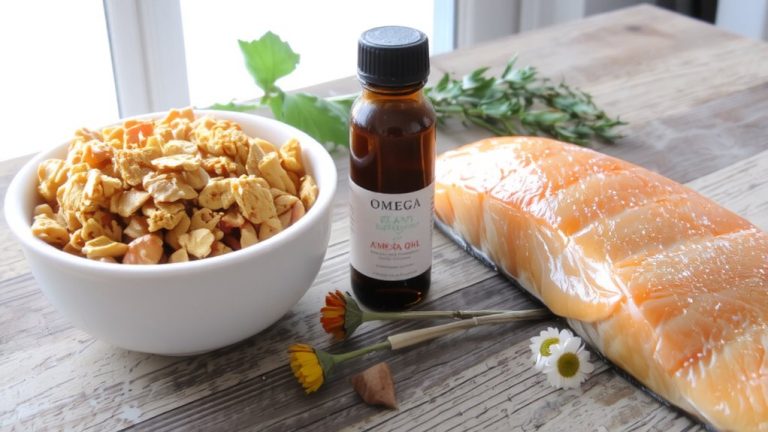
How do you know if a dog food truly delivers on quality? Real signs start with fixed formulas-your dog gets the same nutrition every time, no matter the batch. The BEST food lists specific proteins like “deboned chicken” first, not vague “meat meal.” A healthy food for Dogs must exceed AAFCO nutrient standards, not just meet them. Look for transparent labels: “wholegrain rice,” not “cereals”; “salmon oil,” not “processed grains.” Premium Food for Dogs includes omegas, probiotics, and natural preservatives-no synthetic junk. Dry food should support long-term wellness, not just survival. Pet owners often miss that food must fuel activity, coat health, and digestion. When picking food for your dog, check every ingredient. Consistency, clarity, and nutritional depth define quality. Your dog deserves real, not trendy, health support.
On a final note
You’re better off skipping “premium” and “super-premium” labels-they’re marketing terms, not quality proof. Real value comes from reading ingredient lists, checking AAFCO statements, and recognizing whole meats, named fats, and minimal fillers. Look for foods with meat as the first ingredient, balanced omega-3 and -6 levels (ideal ratio around 5:1), and no artificial preservatives. Testers consistently prefer formulas with digestible carbs like sweet potatoes and visible nutrient diversity, not flashy packaging.