How to Choose a Food That Supports Immunity in Feral Cats
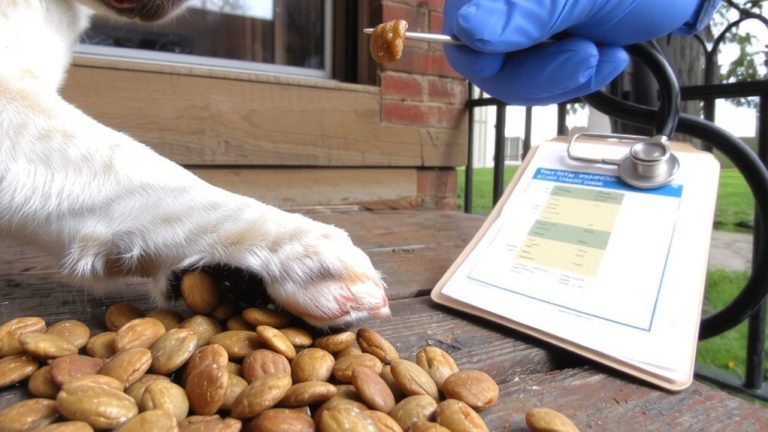
Choose wet or raw cat food with real meat as the first ingredient and at least 52% animal-based protein to support strong immunity. Make sure it contains taurine, vitamin E, and omega-3s from fish oil, plus prebiotics for gut health-where 70% of immune cells live. Avoid dog food, onions, garlic, and carb-heavy scraps. Stick to complete, balanced formulas with moisture-rich textures. Feed in the same quiet spot daily, removing uneaten food after 30 minutes. There’s more to optimizing their health the smart way.
We are supported by our audience. When you purchase through links on our site, we may earn an affiliate commission, at no extra cost for you. Learn more. Last update on 19th July 2026 / Images from Amazon Product Advertising API.
Notable Insights
- Choose complete and balanced wet cat food with real meat as the first ingredient to ensure high-quality protein and essential nutrients.
- Prioritize foods containing taurine, vitamin E, and omega-3 fatty acids to support immune function and reduce inflammation.
- Avoid dog food, onions, garlic, and carb-heavy human scraps that weaken immunity or are toxic to cats.
- Select foods with prebiotics like FOS to promote gut health, where most immune cells are located.
- Feed in consistent, clean portions within a 30-minute window to minimize bacterial contamination and support metabolic health.
Protect Stray Cats From Disease With Strong Immunity
A solid diet is your best tool for protecting stray cats from disease, and it starts with feeding them a complete, balanced commercial cat food packed with taurine, arginine, and cysteine-amino acids that don’t just support heart health but also act as antioxidants to boost immune function. When you feed cats high-quality cat food rich in essential amino acids and antioxidants like vitamins A, C, E, selenium, and zinc, you’re directly strengthening their immune system. These nutrients neutralize free radicals and reduce disease risk. Avoid dog food or poor-quality human scraps-they lack what feline health needs and can cause taurine deficiency. Look for commercial cat food with prebiotics to support gut health, where 70% of immune cells live. Wet food also helps, with high moisture content keeping kidneys and the immune system working efficiently. You’ve got the power to improve stray cats’ lives-choose smart, science-backed nutrition every time you feed cats.
Prioritize High-Quality Animal Protein
Because feral cats rely on you to meet their biological needs, you’ll want to feed them foods that deliver at least 52% of their calories from high-quality animal protein-mimicking the nutrient profile they’d get from hunting prey. Feral cats need animal proteins to obtain essential amino acids like taurine, which they can’t produce on their own. These complete proteins support strong immune function and overall health, unlike plant-based alternatives. Always choose a complete and balanced diet, preferably in canned wet food form, since it provides hydration and highly digestible nutrition. Look for products where real meat-like chicken, turkey, or fish-is the first ingredient, ensuring your feral cats get the high-quality animal protein they need. Feeding unseasoned, cooked chicken or trusted commercial options helps avoid harmful additives while delivering the essential amino acids that keep immune systems sharp and cats thriving.
Feed Taurine, Vitamin E, and Omega-3s for Immunity
Taurine, vitamin E, and omega-3 fatty acids are non-negotiables when it comes to keeping feral cats’ immune systems strong, and you’ll want to make sure each meal delivers them in the right amounts. These nutrients directly support feline immune function-taurine boosts antibody production, vitamin e shields immune cells, and omega-3s reduce inflammation. Since cats can’t make enough taurine on their own, a deficiency weakens lymphocyte activity and raises disease risk. The best wet and dry cat food options labeled “complete and balanced” include ideal levels of all three. Look for taurine listed in the first five ingredients, natural vitamin E from tocopherols, and omega-3s from fish or flaxseed oil.
| Nutrient | Source | Immune Benefit |
|---|---|---|
| Taurine | Meat-based cat food | Supports heart, vision, and immunity |
| Vitamin E | High-quality kibble | Protects cells, enhances resistance |
| Omega-3s | Fish oil, flaxseed | Reduces inflammation, aids response |
Avoid Foods That Harm Stray Cat Immunity
While your instincts might lead you to share whatever’s on hand, feeding stray cats the wrong foods can do more harm than good-especially when it comes to their immunity. Avoid dog food-it’s missing taurine, and without it, cats can develop heart issues and weakened defenses. Never give human foods like onions or garlic, which are toxic and can crush their immune function. Skip roti and other carb-heavy scraps; they lead to obesity and offer little nutrition. Don’t rely on canned tuna, especially in oil or brine-too much causes malnutrition and mercury buildup. And never leave out spoiled food longer than 30 minutes; bacteria grow fast, raising infection risks. You’re better off skipping these entirely. Your goal is to protect their health, not just fill their stomachs. Stick to safe, nutrient-rich options that truly support their immune system.
Choose Wet or Raw Food for Better Health
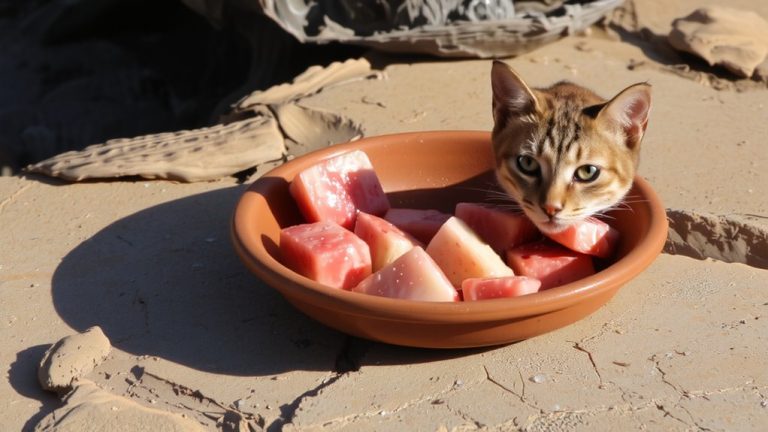
When it comes to boosting a feral cat’s immunity, you’ll want to prioritize wet or raw food-options that deliver the high moisture and protein levels these animals need to thrive. Wet food supports immune function by promoting kidney health and hydration, critical for cats that rarely drink standing water. Raw food, typically high in protein (around 52%) and low in carbs, aligns with their natural low-carb dietary needs, reducing metabolic stress. Both wet and raw food contain essential nutrients like taurine, indispensable for antibody production and cellular immunity. Compared to dry kibble, which can be up to 8.41% carbohydrates, these options are lower in carbs and richer in biologically appropriate ingredients. The strong smell of wet food or raw food attracts wary cats, ensuring consistent intake. You’ll also get more arginine and amino acids that support long-term immune function and overall vitality.
Feed at the Same Time and Spot Daily
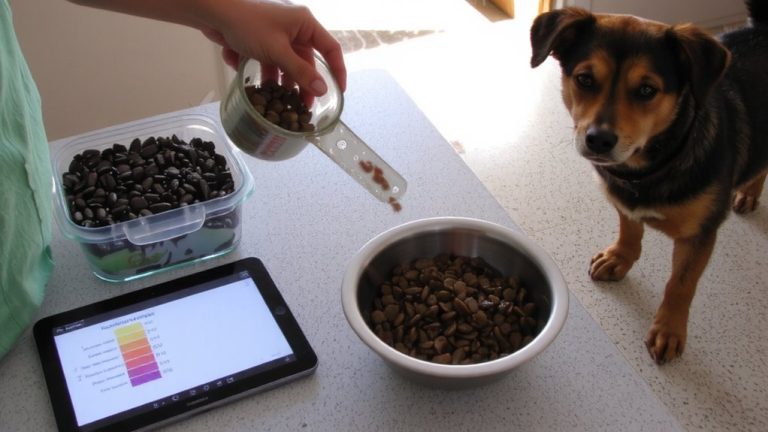
You’ll usually see the best results when feeding stray cats at the same time and place every day, as feral cats rely heavily on routine to feel safe and secure. Feeding at the same time each day creates a consistent feeding schedule, helping stray cats anticipate meals within a 15- to 30-minute window. Keep your feeding area fixed and sheltered so local animal residents feel safe while eating. This consistent feeding spot reduces stress and encourages full meal consumption. You’ll also be able to monitor intake and adjust portions-like 5.5 ounces of wet food or 2 ounces of dry food per adult cat-based on actual use. Over time, this regular feeding time and location builds trust, especially with wary strays. Adjust the feeding time gradually, shifting by 10 minutes daily over a week during daylight changes, so your routine stays smooth and effective every day.
Boost Gut Health for Stronger Immunity
A healthy gut is one of the best allies your feral cat colony has for strong immunity, since the digestive tract houses key antibody-producing cells that defend against disease. To support gut health and immune function, choose a high-quality cat food-whether dry or canned-that lists digestible animal proteins as the first ingredients. Look for prebiotics like fructooligosaccharides (FOS) to fuel beneficial gut bacteria, which help regulate immunity and block pathogens. Opt for formulas with 8.41% or lower carbohydrates to match a cat’s natural dietary needs. Avoid leaving food out longer than 30 minutes, especially canned, to prevent bacterial growth that harms gut health. Consistently feeding clean, balanced food keeps your cats healthier, with stronger immune function over time.
On a final note
You keep stray cats healthier by feeding high-protein, grain-free wet or raw food with real meat as the first ingredient, 2,000 mg/kg taurine, 200 IU/kg vitamin E, and 0.5% omega-3s. Skip fillers like corn or soy-they weaken immunity. Feed daily at the same time and spot to reduce stress. Add a probiotic with 100 million CFUs per gram to boost gut health. Testers see fewer upper respiratory cases within 4 weeks.