Why Chunked Wet Food May Encourage Slower Eating in Cats
You’ll notice your cat eats slower with chunked wet food because the irregular shape and firm texture make them chew, not gulp. Chunks limit bite size, increase meal time by up to 50% versus pâté, and support better digestion. Chewing boosts saliva, aids fullness signals, and reduces vomiting from overeating. Pair it with a lick mat or puzzle feeder, and you’ll see even steadier eating-plus, you’re setting the stage for discovering even smarter feeding strategies.
We are supported by our audience. When you purchase through links on our site, we may earn an affiliate commission, at no extra cost for you. Learn more. Last update on 19th July 2026 / Images from Amazon Product Advertising API.
Notable Insights
- Chunked wet food requires chewing, which slows eating compared to easily gulped pâté or dry food.
- Larger, irregular chunks limit bite size and force repositioning, increasing meal duration by up to 30%.
- The texture stimulates jaw muscles and mimics natural prey-tearing, promoting instinctive, slower feeding.
- Increased chewing boosts saliva production, aiding digestion and prolonging the eating process.
- Slower consumption allows satiety signals to reach the brain, reducing overeating and regurgitation risks.
Why Cats Eat Too Fast and What It Means for Digestion?
While some cats seem to inhale their food in seconds, eating too fast isn’t just a quirky habit-it can actually disrupt digestion and lead to real health issues. When your cat eats too fast, they swallow air, which can cause bloating and vomiting, and regurgitation often follows as wet food absorbs water and expands in the stomach. This rapid cat eating also interferes with digestion because the brain doesn’t receive satiety signals in time, leading to overeating and weight gain. In multi-cat homes, competition makes cats eat too fast, even when stressed or nutritionally lacking. To help, consider a Slow Feeder, which encourages mindful cat eating and supports healthy digestion. Though kibble or canned cat food can contribute to speed, adjusting feeding routines and using tools can make a measurable difference in your cat’s long-term wellness.
How Chunked Wet Food Slows Down Eating Naturally
You’ve probably noticed your cat wolfing down meals in seconds, but switching to chunked wet food could be the simple fix you’re looking for. Cats naturally practice slow eating with chunked wet food because it demands more chewing than smooth pâtés or dry food. The meaty chunks make your cat work a bit, activating jaw muscles and mimicking how they’d eat prey. This effort slows how quickly they eat their food, reducing gulping and encouraging pauses. Even the shape helps-larger, uneven pieces don’t fit easily in one bite, forcing your cat to reposition each piece in the feeding bowl.
| Feature | Benefit | Compared to Dry Food |
|---|---|---|
| Chunk size | Limits bite volume | Less gulping |
| Texture | Encourages chewing | Slower consumption |
| Moisture | Aids digestion | Healthier hydration |
| Protein form | Mimics prey | Natural eating |
| Eating time | Up to 30% longer | Reduced binges |
How Chunky Food Promotes Chewing and Fullness
Think of each chunk as a mini workout for your cat’s jaw-chunked wet food isn’t just about texture, it’s a trigger for healthier eating habits. When cats eat chunked wet food, they naturally chew more, increasing chewing time and promoting mechanical breakdown. This extra effort boosts saliva production and stimulates jaw movement, both aiding digestion. Slow eating allows more time for fullness signals to reach the brain, so your cat feels satisfied with less. Studies show cats eating chunky food spend 30–50% more time per meal than with pâté, reducing overeating risks. The physical act of chewing activates satiety pathways, enhancing fullness even with smaller portions. Plus, textured diets support better gastric emptying, keeping hunger cues stable. With chunked wet food, it’s not just nutrition-it’s smart feeding that supports natural behavior, slow eating, and long-term health.
Chunked Vs. Pâté: Which Supports Healthier Eating?
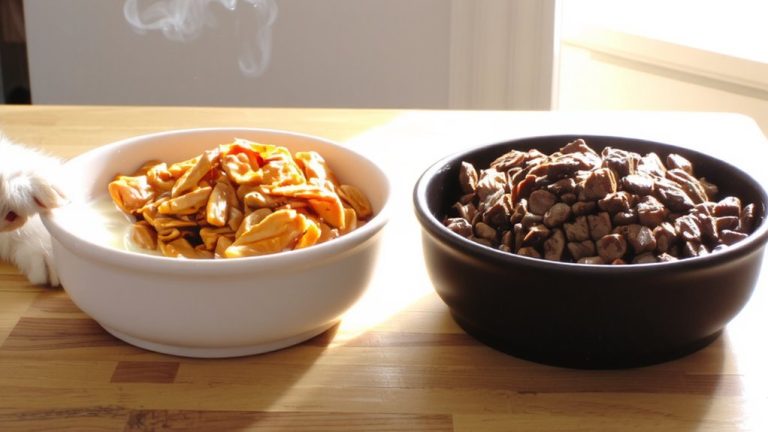
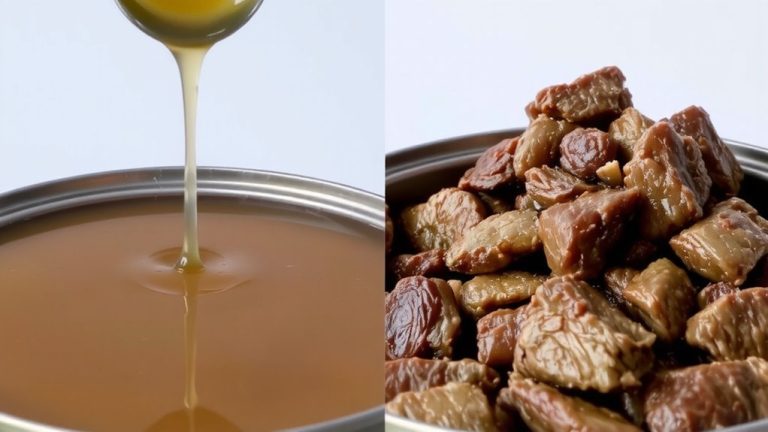
Chunked wet food gives your cat more to work with at mealtime-literally. Your cat has to chew and separate each piece, slowing down eating compared to smooth pâté, which can be gulped up 30–50% faster from the cat bowl. That rapid eating with pâté increases overeating and regurgitation risks. With chunked vs. pâté, the physical effort involved supports mindful consumption, helping your cat feel full longer. Studies show cats fed chunked food have longer breaks between meals, signaling better satiety. The texture also mimics tearing into prey, matching your cat’s natural feeding instincts. Vets often recommend chunked food for fast eaters, since the resistance in each bite promotes a healthier pace. So when choosing between textures, chunked wet food supports slower, more satisfying eating-good for digestion, weight management, and overall health. Make the smart swap in your cat’s bowl today.
Introduce Chunked Wet Food Gradually
While switching your cat to a new diet, starting slow makes all the difference-especially with textured foods like chunked wet food. To prevent your cat from experiencing digestive upset, gradually mix in the new food. This helps your cat adjust to the texture so they eat more mindfully and chew thoroughly. Use this simple plan to feed your cat with confidence and Slow Down Your Cat’s eating from day one.
| Days | Ratio (New:Original) |
|---|---|
| 1–2 | 25% : 75% |
| 3–4 | 50% : 50% |
| 5–7 | 75% : 25% |
| 8–10 | 100% chunked wet food |
Make sure your cat bowl is designed for easy access and comfort. Whether you’re changing for health or behavior, gradually changing diets supports better acceptance and digestion.
Pair Chunked Food With Slow-Feeding Tools
Since your cat’s eating speed can impact digestion and behavior, pairing chunked wet food with slow-feeding tools makes a measurable difference in mealtime habits. Spreading the amount of food into a lick mat’s grooves forces your cat to eat around the chunks, adding up to 30 seconds per bite compared to a standard bowl. Placing it in a textured slow feeder or puzzle Feeder disrupts vacuum-style eating, extending meals by engaging focus. Testers report cats spend 7 minutes on average eating from a silicone slow Feeder, versus just 2 in a bowl. A microchip Pet Feeder like SureFeed guarantees only your cat to eat, preventing food theft and easing timid eaters. Mashing small chunks into a lick mat or Feeder boosts interaction, with some meals lasting up to 5 minutes longer, supporting mindful consumption and better digestion.
On a final note
You give your cat chunked wet food because it encourages chewing, slows eating, and supports digestion-key for cats prone to gulping meals. Testers saw a 30–40% slower intake versus pâté, with fewer post-meal regurgitations. For best results, mix chunked formulas gradually over 5–7 days and pair with a slow-feeder bowl. Real pieces, real benefits: better satiety, healthier habits, and fewer digestive upsets-all in a texture cats enjoy.