Understanding the Dietary Needs of Omnivorous Rats in Captivity
Feed your adult rats high-quality, rat-specific pellets with 16–20% protein as the base, making up 70–80% of their diet, about 15–20g daily. Growing pups and nursing females need 20–25% protein pellets, up to 20% of body weight daily. Add 1–2 tablespoons of fresh veggies like kale or broccoli, plus a teaspoon of fruit 2–3 times weekly. Include cooked egg or lean chicken a few times weekly for amino acids. Always offer fresh water via clean sipper bottles, checked twice daily. Avoid toxic foods like avocado, chocolate, and onion. Use foraging games-scatter food in bedding or hide it in tubes-to encourage natural behavior and social bonding; rats share food more often after cooperative interactions, showing they thrive on connection. You’ll discover smarter feeding routines that support long-term health and natural behaviors just ahead.
We are supported by our audience. When you purchase through links on our site, we may earn an affiliate commission, at no extra cost for you. Learn more. Last update on 19th July 2026 / Images from Amazon Product Advertising API.
Notable Insights
- Provide high-quality lab blocks as the primary diet, making up 70–80% of intake and supplying 16–20% protein for adult rats.
- Feed rat-specific pellets formulated for life stage, including higher protein for growing pups and nursing females.
- Supplement with safe fresh foods: daily vegetables, weekly fruits, and protein sources like egg or chicken 2–3 times weekly.
- Ensure constant access to clean water via sipper bottles, cleaned weekly and refilled twice daily.
- Encourage natural foraging and social feeding through food scattering and enrichment items to support mental and social health.
What Pet Rats Must Eat for Health
A balanced diet is the foundation of your pet rat’s long-term health, and getting it right starts with high-quality lab blocks or pellets that deliver 16–20% protein for adults, while growing pups and pregnant or nursing females need the upper end of 20–25% to support development. Rat pellets should be the anchor of their balanced diet, meeting core nutrient requirements. Supplement daily with 1–2 tablespoons of fresh vegetables-think kale, broccoli, or carrots-for fiber, which should make up 5–10% of their intake to support digestion and tooth wear. Include small amounts of unsaturated fats (4–6% of diet) via crushed nuts or seeds, but sparingly, to avoid obesity. Always skip toxic foods like chocolate, avocado, onion, garlic, grapes, and apple seeds-they can cause serious harm. Meet their protein, fiber, and fat needs consistently, and you’ll see lively, healthy rats every day.
Use Rat-Specific Pellets as the Base
Choose rat-specific pellets as the foundation of your pet’s diet, since they’re precisely formulated to deliver the 16–20% protein adult rats need-and the 20–25% protein growing pups or nursing females require. These commercial rat pellets are specifically designed with the right nutrient composition, unlike rabbit or hamster food that’s not specific for rats. You’ll avoid health issues and guarantee balanced food intake by sticking to purified diets made just for your rat’s life stage. Pellets should make up 70–80% of your rat diet, with adult rats eating 15–20g daily. Skip seed mixes to prevent selective feeding.
| Life Stage | Pellet Type | Daily Food Intake |
|---|---|---|
| Adult Rats | High-quality extruded | 15–20g |
| Young Rats | Nutrient-dense formula | 20% of body weight |
| Nursing Females | Protein-rich (25%) | Increased intake |
Add Safe Veggies, Fruits, and Proteins
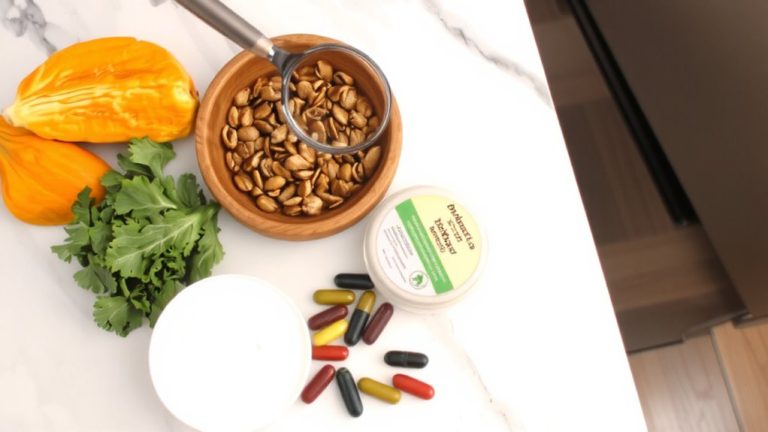
While pellets should form the bulk of your rat’s diet, adding safe vegetables, fruits, and proteins boosts nutrition and mimics natural foraging behavior, keeping your pet both physically and mentally healthy. Feed small portions-1–2 tablespoons of safe vegetables like broccoli, kale, or carrots daily-to support digestion and dietary fiber. Rotate dark leafy greens such as collard and dandelion leaves to prevent nutrient imbalances. Offer fruits like blueberries, apples (no seeds), or melon just 1 teaspoon, 2–3 times weekly; their sugar content can lead to obesity if overfed. Avoid all fruit seeds and pits-they’re toxic, even in small amounts. Add proteins such as cooked egg, lean chicken, or lentils 2–3 times per week for essential amino acids. These food additions enhance your rat’s overall health, providing critical variety, taste, and stimulation within a balanced diet. Nutrition thrives on diversity, and your rats will show it.
Keep Rats Hydrated With Clean Water
You’ll want to make sure your rats have constant access to fresh water, and using a reliable sipper bottle is the best way to keep their supply clean and uncontaminated. Provide free access to drinking water at all times, especially critical for Laboratory Animal and Small Animal care standards. Install multiple sipper bottles in shared cages to reduce competition and support hydration. Check bottles morning and evening-refill as needed and clear any clogs in the stainless steel ball mechanism. Clean bottles weekly with safe disinfectants to prevent bacteria and algae, particularly in high environmental temperature. According to the American Institute of Nutrition and Institute of Nutrition (AIN), proper hydration supports metabolism, kidney function, and overall health. Contaminated or inadequate drinking water can lead to dehydration and illness. Consistent, clean fresh water isn’t optional-it’s essential.
Boost Enrichment With Foraging Games
How do you keep your rat mentally sharp while making mealtime more engaging? Pet rats need more than just daily food-they thrive on environmental interaction and mental challenges. Scatter food pellets and chopped veggies like carrots in fresh bedding so your animal roots around, just as wild rats would. Hide small amounts of cooked egg or whole grains in cardboard tubes or paper bags to encourage problem-solving. Offer whole boiled eggs occasionally; rats need to peel and manipulate them, boosting cognitive engagement. Rotate foraging games daily-bury seeds in sand trays or tuck treats under clean plant pots-to maintain novelty. Use multiple hiding spots per group to reduce competition. These foraging games enrich your rat’s life, turning feeding into fun, stimulating sessions that mimic natural behaviors and support overall well-being.
Let Rats Share Food: They Prefer It
Why do rats go out of their way to help a fellow rodent? Because sharing food isn’t just instinct-it’s a core part of their social fabric. Rats consistently free trapped cagemates and choose levers that feed both themselves and others, proving they prefer cooperation. They remember help received and are up to 70% more likely to share food afterward. Even when offered a personal treat, they’ll pass it up to feed a hungry partner-showing empathy. To stay happy, provide opportunities for natural prosocial behavior. Offer water twice a day and foods high in nutrient concentrations that meet the requirement of the rat. A balanced diet for a laboratory rat includes quality pellets, fresh veggies, and occasional seeds. Enrich social feeding setups-Rat and Mouse bonds strengthen through shared meals, boosting mental and physical health in captivity.
On a final note
You’ve got this: feed your rat high-quality, rat-specific pellets-about 2 tablespoons daily-as the foundation, then supplement with fresh veggies, limited fruit, and occasional protein like scrambled egg. Always provide clean, fresh water in a sipper bottle, changed daily. Enrich meals with foraging games using safe paper or puzzle feeders. Rats thrive socially, so let them share food-it boosts bonding and mimics natural behavior, keeping them healthier and happier long-term.