How to Spot Added Sorbitol in Low-Calorie Dog Treats
Look for “sorbitol” on the ingredient list of low-calorie or dental dog treats, usually listed under 1% for sweetness and moisture retention. It’s safe in small amounts but may cause gas or soft stools in sensitive dogs, especially puppies or seniors. Don’t confuse it with xylitol-also called birch or wood sugar-which is toxic. Choose treats with real meat, pumpkin, or blueberries instead, and keep synthetic additives to a minimum for better digestive health. There’s more to optimizing treat safety and nutrition just ahead.
We are supported by our audience. When you purchase through links on our site, we may earn an affiliate commission, at no extra cost for you. Learn more. Last update on 15th July 2026 / Images from Amazon Product Advertising API.
Notable Insights
- Check ingredient labels for “sorbitol,” commonly found in low-calorie or dental dog treats.
- Look for sorbitol near the end of ingredient lists, typically used in concentrations under 1%.
- Avoid confusion with toxic xylitol by watching for aliases like “birch sugar” or “wood sugar.”
- Note pairing with other sugar alcohols like glycerin or maltose, which may indicate added sorbitol.
- Choose whole-food treats with real meat or fruits to avoid synthetic additives like sorbitol.
Is Sorbitol in Dog Treats Safe or Risky?
Why do some dog treats list sorbitol on the label, and should you be concerned? Sorbitol is a sugar alcohol used in dental or low-calorie dog treats from brands like Arm & Hammer and Nylabone to enhance sweetness and retain moisture. Unlike xylitol, which is toxic to dogs, sorbitol is safe for dogs when used in small amounts. It won’t cause poisoning, but it offers no nutritional benefit. Some dogs may experience gas, cramping, or soft stools if sensitive. Most commercial treats use synthetically derived sorbitol from potato starch glucose, added at levels under 1%. Regulatory groups consider it safe, though rat studies suggest possible liver and bone marrow effects in offspring via lactation-so cautious use matters. You won’t need to panic over trace amounts, but check labels regularly, especially for pups with digestive sensitivities. Sorbitol isn’t toxic, but moderation helps keep your dog comfortable and healthy.
How Sorbitol Affects Your Dog’s Digestion
Ever wonder what happens inside your dog’s gut when they munch on a treat with sorbitol? This common sugar alcohol isn’t toxic, but it can trigger digestive upset in dogs, especially sensitive ones or those with IBS. Unlike healthier treats, sorbitol offers no nutritional benefit and often pulls water into the intestines, leading to gas, cramping, soft stools, or even diarrhea and vomiting. These sugar alcohols ferment in the gut, worsening discomfort. Some dogs may develop black, bloody, or tarry stools-seek vet care if that happens. While occasional small amounts in dogs treats might not cause harm, repeated exposure can prolong issues. Puppies, seniors, or dogs with digestive sensitivities are most at risk. Always monitor your pet after trying new treats, and provide fresh water to help flush their system. When in doubt, skip sorbitol-laced options altogether.
Sorbitol vs Xylitol: Don’t Confuse the Two
How easily could you tell the difference between a sweetener that’s merely filler and one that’s downright dangerous? With sorbitol and xylitol, the distinction is critical. Sorbitol, found in dental treats like Arm & Hammer and Nylabone, is safe for dogs in moderation-though it can cause gas or diarrhea. Xylitol, however, is a red flag: even tiny amounts can trigger hypoglycemia or liver failure in dogs. Don’t be fooled by names-xylitol may hide as birch sugar, wood sugar, or birch bark extract. While sorbitol is synthetically made from potato starch and acts as a low-glycemic sweetener, xylitol’s toxicity makes it a non-negotiable avoid. Always check labels carefully. Mistaking these two isn’t just an error-it’s a serious risk. When in doubt, skip the treat. Your dog’s safety depends on your vigilance.
How to Read Labels for Sorbitol and Hidden Sugars
You already know sorbitol won’t harm your dog like xylitol can, but spotting it on a label is only half the battle. Always check the ingredients to make sure sorbitol isn’t hiding in low-calorie or dental treats from brands like Arm & Hammer, Bluestem, or Nylabone. Look beyond just “sorbitol”-scan for other sugar alcohols and terms like “birch sugar,” “wood sugar,” or “birch bark extract,” which signal xylitol, a toxic sugar substitute. Avoid any treat listing these, even in small amounts. Watch for sneaky sugars such as glycerin or maltose, often paired with sorbitol to enhance sweetness. A long list of synthetic ingredients usually means lower quality. Instead, choose treats with whole, recognizable ingredients listed first. Keeping your dog safe means reading every label closely-because when it comes to sugar and additives, what’s listed matters just as much as what’s not.
Choose Safer, Sorbitol-Free Dog Treats
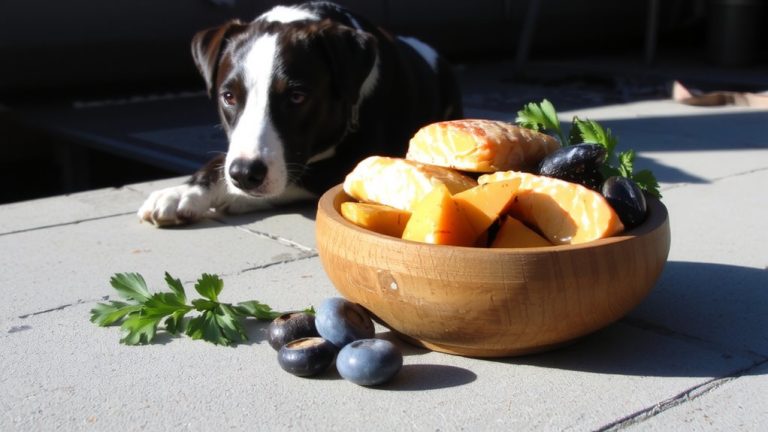
Why settle for treats with synthetic fillers when you can offer something better? Choosing dog treats made with real meat, pumpkin, or blueberries means you’re giving your pup nutrition, not just empty bites. Not all dog treats are Sorbitol safe for dogs-many low-calorie options contain sorbitol, a sugar alcohol with no nutritional benefit that can lead to gas, cramps, or diarrhea. Always check labels; avoid anything that lists “sorbitol,” “wood sugar,” or “birch sugar.” Trusted brands like Marcys Pet Kitchen craft treats without artificial fillers, so you know what you’re feeding. Dental health matters too-opt for raw meaty bones or enzymatic treats that reduce plaque by 87%. Your dog’s Dog Food and treats should work together for overall wellness.
| What You Choose | What Your Dog Gets | How They Feel |
|---|---|---|
| Sorbitol-filled treats | Bloating, gas, diarrhea | Uncomfortable, sluggish |
| Low-quality dog food | Poor coat, low energy | Lethargic, itchy |
| Unknown ingredients | Stomach cramps, vomiting | Stressed, anxious |
| Real whole-food treats | Shiny coat, steady energy | Happy, playful |
| Sorbitol-free dental chews | Cleaner teeth, fresh breath | Confident, enthusiastic to greet |
On a final note
You’re making smart choices by checking labels for sorbitol, since it can upset your dog’s digestion in doses as low as 1–2 grams per treat. Always distinguish it from toxic xylitol, and opt for sorbitol-free options like Greenies or Zuke’sMini Naturals. Real testers note firmer stools and better tolerance with sugar alcohol-free treats. Your dog’s gut health matters-choose clean, simple ingredients you recognize, and keep treats under 10% of daily calories for balanced nutrition.