How to Identify Legitimate AAFCO Feeding Trial Statements on Labels
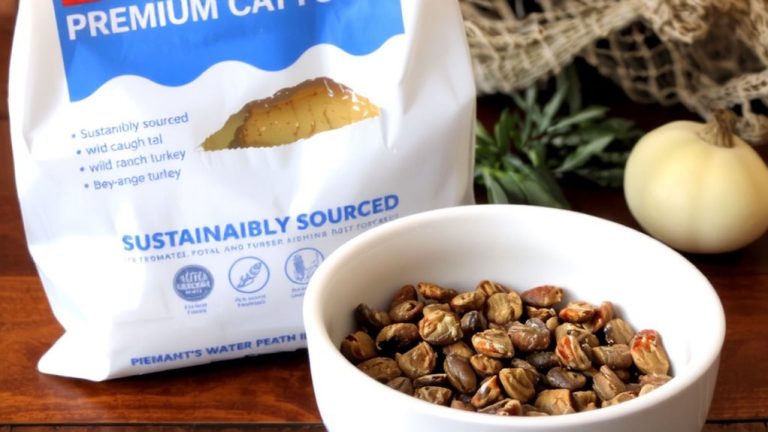
Look for the exact phrase, “Animal feeding tests using AAFCO procedures substantiate that [product name] provides complete and balanced nutrition for [life stage],” with no disclaimers like “based on” or “similar to.” Real trials last at least 26 weeks for adult foods, 10 weeks for growth, use eight dogs (six must complete), and measure weight, blood levels, and health. Formulation claims aren’t the same. Spotting the right wording means you’re getting proven nutrition, not just a guess-and there’s more to know about what happens behind the scenes.
We are supported by our audience. When you purchase through links on our site, we may earn an affiliate commission, at no extra cost for you. Learn more. Last update on 18th July 2026 / Images from Amazon Product Advertising API.
Notable Insights
- Look for the exact phrase: “Animal feeding tests using AAFCO procedures substantiate…” to confirm real feeding trials were conducted.
- Ensure the statement specifies a defined life stage, such as “adult maintenance” or “growth,” to be valid.
- Verify the trial duration meets AAFCO standards: at least 26 weeks for adult foods, 10 weeks for growth foods.
- Confirm the claim is not diluted by disclaimers like “similar to” or “based on” another tested formula.
- Check that the product itself was tested, not just formulated to meet nutrient profiles on paper.
What Is an AAFCO Feeding Trial Statement?
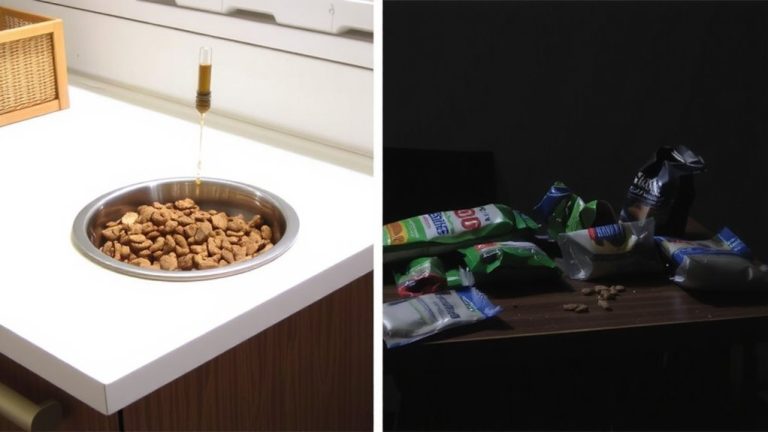
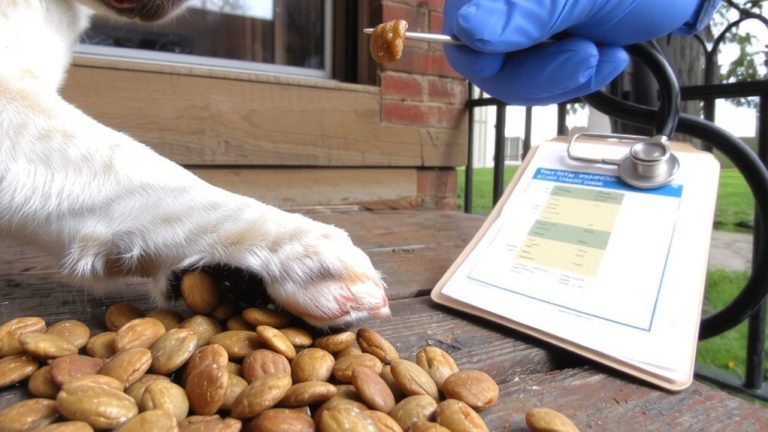
While you’re checking the label on a bag of pet food, one thing you’ll want to look for is an AAFCO feeding trial statement, since it means the food’s nutritional adequacy has been proven through real animal testing. This statement confirms the food underwent animal feeding tests following strict AAFCO procedures set by the Association of American Feed Control Officials. You’ll see it written as: “Animal feeding tests using AAFCO procedures substantiate that [product name] provides complete and balanced nutrition for [life stage].” These feeding trials last at least 26 weeks for adult maintenance, or 10 weeks for growth foods, using a minimum of eight dogs-six of which must complete the trial. Weight, blood levels, and clinical signs are tracked to guarantee safety and effectiveness. On the pet food label, this claim isn’t guessed-it’s tested, measured, and used to substantiate real nutritional adequacy your pet can thrive on.
Feeding Trials Vs. Formulation: Is AAFCO Testing Better?
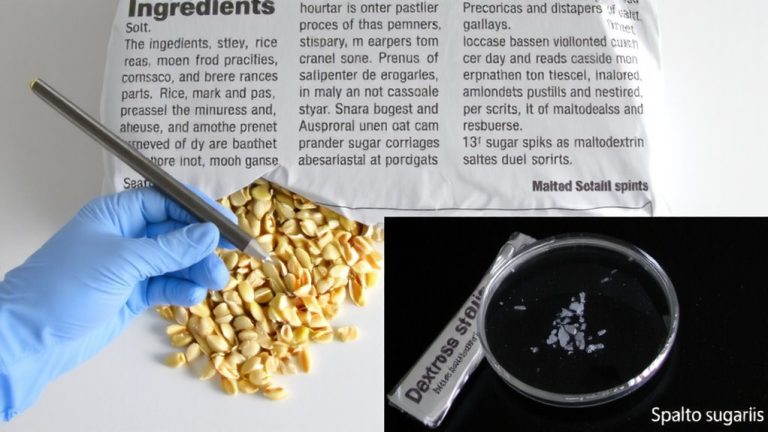
You’ve seen how an AAFCO feeding trial statement confirms a pet food’s nutritional adequacy through real animal testing, but not all labeled foods undergo this kind of evaluation. Feeding trials, based on AAFCO procedures, assess complete and balanced nutrition by measuring nutrient digestibility, bioavailability, and real dog responses over 26 weeks. Formulation, in contrast, relies on laboratory analysis to meet AAFCO nutrient profiles without live testing. Research suggests feeding trials better detect hidden deficiencies. Here’s what that means for your dog:
| Feeding Trials | Formulation |
|---|---|
| Tests real nutrient digestibility | Estimates nutrients on paper |
| Confirms bioavailability | Uses laboratory analysis only |
| Proves complete and balanced | Claims “formulated to meet” |
| Backed by live dog data | No live animal evaluation |
Choose a feeding trial statement for proven nutritional adequacy.
How to Find a Real AAFCO Feeding Trial Statement
How do you know if your dog’s food has truly passed the test? Look for a clear feeding trial statement on the label stating that Animal feeding tests using AAFCO procedures** substantiate the food provides complete and balanced pet nutrition for a specific life stage. This nutritional adequacy statement must confirm the product was substantiated using AAFCO feeding protocols, not just formulated to meet standards. A real feeding trial lasts at least 26 weeks for adult maintenance or 10 weeks for growth, per the AAFCO Dog Food Nutrient Profiles or AAFCO Cat Food Nutrient Profiles. Only foods actually fed to animals in controlled settings can make this claim. The AAFCO feeding trial** statement must appear alongside the adequacy claim without disclaimers like “similar to” or “based on”-it’s either a true test or it’s not.
Warning Signs of Invalid AAFCO Feeding Trial Claims
A clear AAFCO feeding trial statement on your dog’s food label means the product actually passed nutritional testing in live animals, not just met theoretical benchmarks on paper. If the label says “formulated to meet” AAFCO Dog Food Nutrient Profiles, that’s not a feeding trial-it’s an invalid claim. Real animal feeding tests using AAFCO procedures must substantiate the food’s nutritional adequacy. Watch for vague life stages or missing durations-feeding trials require 26 weeks for growth, 6 months for adult maintenance. Here’s how to spot red flags:
| Invalid Phrase | What It Means |
|---|---|
| Formulated to meet AAFCO profiles | No animal feeding tests done |
| Based on a tested formula | Product itself wasn’t tested |
| All life stages without specifics | Vague, lacks valid designation |
| Tested in 8 weeks | Too short, not a real feeding trial |
| Equivalent to another food | No direct substantiation |
Always verify the full feeding trial statement-your dog’s health depends on it.
On a final note
You’ll know a label’s AAFCO feeding trial claim is legitimate when it clearly states the food was tested in feeding trials lasting at least 26 weeks, meets nutrient profiles, and lists the exact life stage, like “for growth” or “all life stages.” Watch for vague terms like “meets requirements” without trial details. Real trials mean real results-pups gained weight steadily, adults maintained muscle, and vets observed improved coat and digestion. Trust brands that specify protocol, duration, and AAFCO compliance upfront.