Understanding the Difference Between Natural and Synthetic Vitamins in Dog Food
You’re giving your dog vitamins from whole foods like liver or sunflower oil, or lab-made versions from petrochemicals. Heat during processing destroys natural nutrients, so manufacturers add synthetics like dl-alpha-tocopherol or ascorbic acid to compensate. Natural forms-such as d-alpha-tocopherol or vitamin C from citrus-are better absorbed, thanks to co-factors. While synthetics help meet AAFCO standards, some, like vitamin K3, pose risks. Spot natural sources on labels by names like “dried liver” or “whole grain,” not “folic acid” or “choline chloride”-and know exactly what your pet’s really getting.
We are supported by our audience. When you purchase through links on our site, we may earn an affiliate commission, at no extra cost for you. Learn more. Last update on 19th July 2026 / Images from Amazon Product Advertising API.
Notable Insights
- Natural vitamins come from whole foods like liver and fruits, while synthetic ones are lab-made from chemicals like petrochemicals.
- Processing destroys natural nutrients, so synthetic vitamins are often added afterward to meet nutritional standards.
- Natural forms, such as d-alpha-tocopherol, are more bioavailable than synthetic versions like dl-alpha-tocopherol.
- Synthetic vitamins lack co-factors and enzymes found in whole foods that aid absorption and function.
- AAFCO allows “natural” labels with synthetic additives if stated as “Plus vitamins and minerals.”
What Makes a Vitamin Natural or Synthetic in Dog Food?
When you’re scanning a dog food label, the source of the vitamins matters just as much as the ingredients themselves. Natural vitamins and minerals come from whole food sources like liver, egg yolk, or fruits, keeping their original molecular structure. In contrast, synthetic vitamins and minerals-like ascorbic acid, thiamin mononitrate, and cholecalciferol-are lab-made, often from petrochemicals or coal tar. You’ll spot synthetic additives by names such as dl-alpha-tocopherol, where the “dl-” prefix signals a manufactured form. Even if a food claims to be “natural,” AAFCO allows synthetic vitamins and minerals as long as the label includes a disclaimer like “Plus vitamins and minerals.” That means the product might rely mostly on synthetic additives despite the natural branding. Choosing foods with truly natural vitamins supports better absorption and overall health.
Why Dog Food Loses Nutrients During Processing?
Though manufacturers aim to deliver balanced nutrition, the harsh realities of processing mean your dog’s kibble likely loses key nutrients before it ever hits the bowl. Nutrients are lost during the processing of commercial pet food, especially through intense heat processing. Natural vitamins like C, B1, and fat-soluble A, D, E, and K degrade under high heat, light, and pressure-common in commercial pet food production. Up to 50% of natural thiamine is lost during cooking, and oxidation further reduces vitamin and mineral potency. The Maillard reaction also makes some amino acids less available. To compensate, synthetic versions are added post-processing.
| Nutrient Type | Lost During Processing |
|---|---|
| Natural Vitamins | Yes, considerably |
| Synthetic Additives | Minimally, by design |
Why Natural Vitamins Are Better Absorbed?
You’ve probably already seen how processing strips away essential nutrients from your dog’s food, especially delicate natural vitamins like B1, C, and the fat-soluble A, D, E, and K, which deteriorate under high heat and pressure, forcing manufacturers to add synthetics back in. But here’s the thing: natural nutrients found in whole foods come with co-factors and enzymes that help them be absorbed by the body more effectively. These co-factors boost bioavailability, meaning your dog gets more value from each bite. For example, natural vitamin E (d-alpha-tocopherol) is 36% more bioavailable than synthetic forms, and natural vitamin C from broccoli or citrus works better because flavonoids support uptake. Synthetic nutrients often lack these helpers, making them less efficient. Even with the same chemical formula, natural counterparts-like those from liver or brewer’s yeast-are used more efficiently than synthetic nutrients, especially when it comes to essential vitamins.
Are Synthetic Vitamins Safe for Dogs?
How safe are synthetic vitamins in your dog’s food, really? While synthetic vitamins help make pet diets complete and balanced-meeting AAFCO standards-they aren’t always as effective or safe as nutrients from natural sources. Many synthetic vitamins, like vitamin D or thiamin mononitrate, have lower bioavailability, meaning your dog may not absorb them as well. Others, such as synthetic vitamin K3, carry toxicity risks. Although these lab-made nutrients guarantee consistency in dog food and replace those lost during processing, they lack the co-factors found in whole foods that aid function. Plus, fat-soluble synthetic vitamins can build up over time, increasing the risk of hypervitaminosis, which may lead to liver damage or skeletal issues. While generally regulated, synthetic vitamins aren’t perfect-opting for more natural sources when possible supports better long-term health in your dog’s diet.
How to Spot Natural vs Synthetic Vitamins on Dog Food Labels?
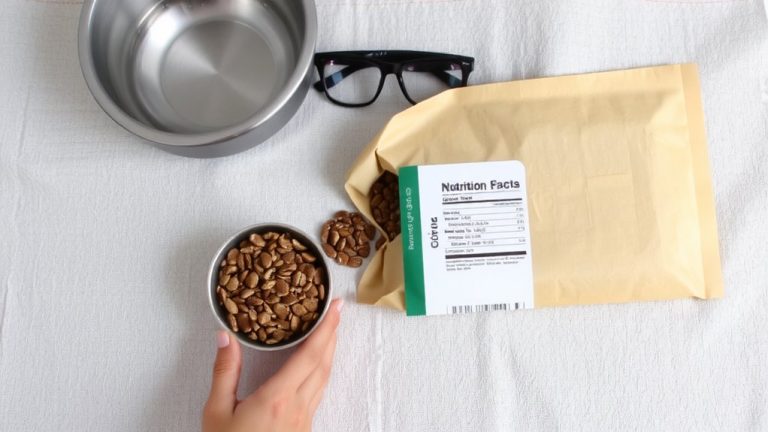
Reading dog food labels doesn’t have to be confusing once you know what to look for. You can spot natural vs synthetic vitamins by checking ingredient names. If you see “dl-alpha-tocopherol” or “ascorbic acid”, those are synthetic forms-natural vitamin E would be “d-alpha-tocopherol” or listed as “sunflower oil”. The pet food industry uses synthetic nutrients allow for consistent nutrition, but natural sources offer broader health benefits. Look for whole grains, dried liver, or amino acids from real food instead of chemical-sounding names like thiamin mononitrate. Even “natural” pet food may include synthetic Minerals and vitamins to meet AAFCO rules.
| Natural Sources | Synthetic Forms | What It Means |
|---|---|---|
| Vitamin E (sunflower oil) | dl-alpha-tocopherol | Natural vs synthetic vitamin |
| Dried liver | Menadione sodium bisulfite | Real food vs lab-made |
| Whole grains | Folic acid | Complex nutrients vs isolated |
| Amino acids from meat | Choline chloride | Bioavailable vs added |
On a final note
You’ll want to look for whole food ingredients like liver, fish oil, and blueberries, since natural vitamins absorb better than synthetic ones. Processing strips nutrients, so quality foods often add them back thoughtfully. Synthetic vitamins aren’t unsafe, but dogs use natural forms more efficiently-like vitamin E from sunflower oil versus lab-made. Check labels: “ascorbic acid” is synthetic C, while “mixed tocopherols” means natural E. Choose foods with minimal, recognizable ingredients, and you’ll support your dog’s digestion, energy, and coat health.