How to Choose a Food That Supports Hydration in Desert Cats
Your desert cat’s built to get moisture from prey, not a water bowl, so pick foods matching that natural need. Choose wet foods like Marvelous Morsels or Purrfect Paté with 75–84% moisture, or rehydrate freeze-dried options like Chick, Chick Chicken Dinner to over 70%. Frozen raw, at 98% meat and bone, also delivers high natural hydration. These choices support kidney and urinary health while preventing chronic dehydration, especially in seniors-keep exploring to find the best fit for your cat’s instincts and wellness.
We are supported by our audience. When you purchase through links on our site, we may earn an affiliate commission, at no extra cost for you. Learn more. Last update on 19th July 2026 / Images from Amazon Product Advertising API.
Notable Insights
- Select wet or raw foods with 75%+ moisture to match cats’ natural prey-based hydration needs.
- Choose high-moisture options like Purrfect Paté (78%) or rehydrated freeze-dried meals to combat chronic dehydration.
- Prioritize foods with moisture content near 70–84%, similar to fresh prey, for optimal hydration.
- Gradually transition to wet or rehydrated diets over 7–10 days to support acceptance and digestion.
- Feed moisture-rich foods early; kittens develop texture preferences by 8 weeks of age.
Why Your Cat Doesn’t Drink Much: And What to Do
Why isn’t your cat drinking enough water-even when the bowl’s full? Your cat’s natural low thirst drive means they rarely drink enough, often staying dehydrated before showing signs. Descended from desert animals, they’re wired to get moisture from prey-around 70% moisture content-so their hydration needs aren’t met by dry food, which holds only about 10% moisture. That’s a problem: chronic low water intake can lead to dehydration in cats, especially seniors, with 30% over age 10 developing Chronic Kidney Disease. You can help by switching to wet food, which offers high moisture (75–84%), or adding running water sources like fountains. These mimic fresh prey and stimulate interest. Even picky drinkers sip more with flowing water. Balance dry food with wet meals, and you’ll support better hydration, matching what your cat’s biology actually expects.
Top Moisture-Rich Foods for Hydrated Cats
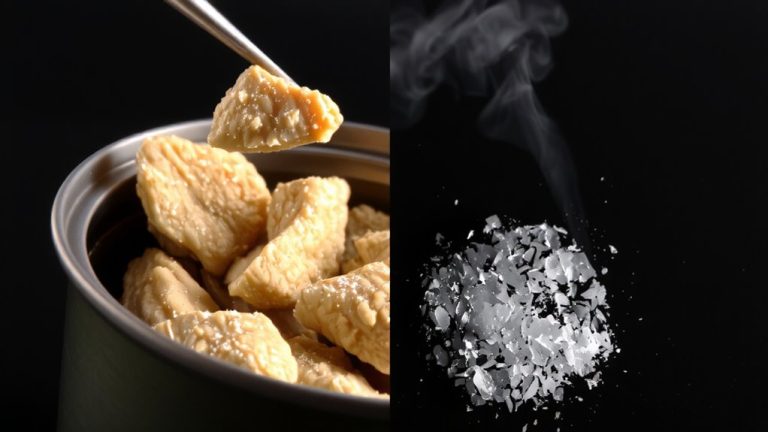
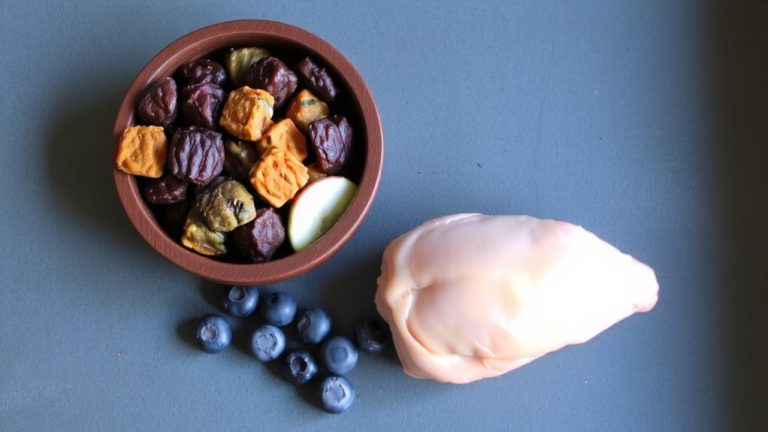
While your cat’s desert instincts mean they’re not driven to drink much water, you can meet their hydration needs by choosing foods that mirror the moisture-rich prey they’d eat in the wild. Wet foods like Marvelous Morsels and Carnivore Cravings pouches are high in moisture-up to 84%-making them top choices for boosting hydration. These, along with Purrfect Paté at 78% moisture, deliver far more water than dry kibble. Frozen raw food, composed of 98% meat, organs, and bone, naturally retains high moisture and aligns with what your cat’s desert-dwelling ancestors consumed. Freeze-dried raw options, like Chick, Chick Chicken Dinner, can be rehydrated to over 70% moisture, enhancing both aroma and hydration. Rehydrated meals encourage better moisture intake, especially in cats reluctant to drink fresh water or cat water separately.
How to Switch to High-Moisture Food Safely
You’ve already seen how moisture-rich foods like Marvelous Morsels, Carnivore Cravings, and Purrfect Paté can support your desert cat’s hydration, closely mimicking the prey they’d consume in the wild, and now it’s time to get those benefits into their bowl safely. Start the shift by mixing wet food with dry, gradually increasing moisture over 7–10 days to prevent digestive upset. Introduce high-moisture food early-cats form texture preferences by 8 weeks. When feeding a raw diet, rehydrate freeze-dried morsels with warm water (about 100°F) to boost moisture past 70% and match natural prey temps. This also enhances palatability. Discard uneaten food after two hours to limit bacterial growth. Monitor hydration via skin elasticity, gum moisture, and urine consistency throughout the shift. A slow, careful shift supports long-term hydration and digestive health.
Signs Your Cat Is Dehydrated (And Needs Hydrating Food)
How can you tell when your desert cat’s moisture intake isn’t cutting it? Watch for dry gums, sunken eyes, or skin that tents when lifted-clear signs of dehydration. Cats eating dry food (10% moisture) often don’t drink enough water, especially since their desert ancestry dulls thirst cues. Without proper hydration, your cat faces higher risks of urinary tract disease, bladder stones, or concentrated urine. Vomiting, diarrhea, or fever worsen fluid loss fast. Chronic kidney disease affects up to 30% of cats over 10, often tied to lifelong low-moisture diets. If your cat’s current diet lacks moisture, switching to wet or high-moisture food supports kidney function and overall health. Prioritize foods with 70–80% moisture content to promote hydration, reduce disease risk, and keep your cat thriving. Proper hydration starts with smarter food choices, not just more water.
On a final note
You’ve got this: switching to moisture-rich food like pate-style wet diets (78% hydration vs. 10% in kibble) boosts your desert cat’s fluid intake, supports kidney health, and aligns with their natural low-thirst drive. Start slow-mix 25% wet with dry food, gradually increasing over 10 days. Testers saw improved energy and urine dilution in under two weeks. Aim for two daily servings, ¼ to ½ cup each, based on weight. Hydration’s simpler than you think.