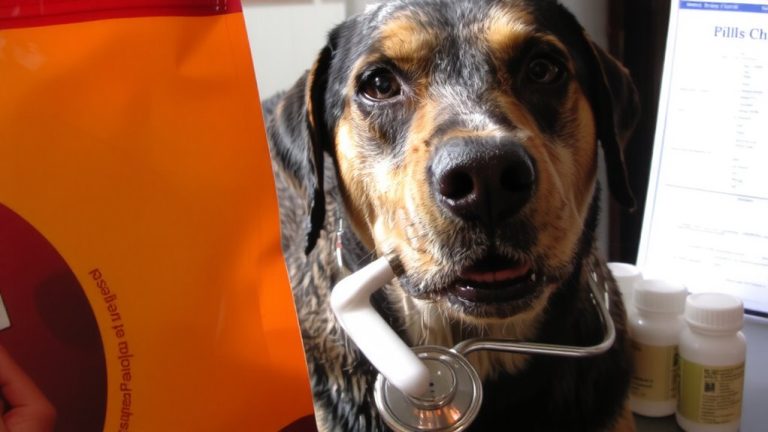
Understanding the Role of Fatty Acids in Dry Skin Dog Formulas
You’re giving your dog the right fats to fight dry skin when you choose formulas with balanced omega-3 and omega-6 fatty acids. EPA and DHA from fish oil reduce inflammation, while linoleic acid strengthens the skin barrier. Look for at least 1.5% linoleic acid and named sources like salmon oil. Hills® Science Diet® delivers omega levels equal to 14 supplement capsules per bowl, often showing cleaner coats and less flaking in 4–8 weeks-there’s more to discover about optimizing your dog’s skin health.
We are supported by our audience. When you purchase through links on our site, we may earn an affiliate commission, at no extra cost for you. Learn more. Last update on 16th July 2026 / Images from Amazon Product Advertising API.
Notable Insights
- Omega-3 fatty acids like EPA and DHA reduce skin inflammation and support cell renewal in dogs with dry skin.
- Omega-6 fatty acids, especially linoleic acid, strengthen the skin barrier to improve moisture retention and reduce flakiness.
- A balanced omega-6 to omega-3 ratio between 5:1 and 10:1 helps manage inflammation and supports overall skin health.
- Deficiencies in essential fatty acids can lead to dry skin, dull coat, itching, and slow wound healing.
- High-quality dog formulas provide named fat sources and adequate linoleic acid to nourish skin and enhance coat condition.
How Omega-3 and Omega-6 Fix Dry Dog Skin
While your dog’s dry, flaky skin might seem like a surface-level issue, the fix often starts at the cellular level with two key fatty acids: omega-3 and omega-6. Omega-3 fatty acids, especially EPA and DHA from fish oil, cut inflammation and boost skin cell renewal, easing dry skin and itchiness. Omega-6 fatty acids, like linoleic acid from chicken fat or sunflower oil, strengthen the skin barrier, sealing in moisture and preventing flaky skin. Together, these essential fatty acids support your dog’s skin and coat, improving coat health and resilience. For best results, aim for a balanced omega-6 to omega-3 ratio between 5:1 and 10:1. Fatty acid supplementation typically shows visible improvements in 4 to 8 weeks. Up to 35% of your dog’s daily nutrients go toward skin and coat health, so quality nutrition isn’t optional-it’s foundational for lasting relief.
7 Signs Your Dog Lacks Essential Fatty Acids
You’ve probably noticed how a shiny coat and healthy skin signal a well-nourished dog, and when those signs start to fade, it’s often because your pup isn’t getting enough omega-3 and omega-6 fatty acids. Dry skin and a dull, brittle coat are early red flags of an essential fatty acid (EFA) deficiency, especially when omega-6 fatty acids like linoleic acid are lacking. Itchy skin, frequent scratching, or hair loss? Those can stem from imbalances too. Omega-3 fatty acids help reduce inflammation, so without them, dogs with skin issues often face recurrent skin infections or slow wound healing. Poor coat and skin renewal is common in pets missing key EFAs. Many owners see real improvement within weeks of adding fatty acid supplements-look for balanced ratios of omega-3 and omega-6 to support long-term skin health.
Omega-Rich Dog Foods That Improve Coat Health
Because a dull coat often signals an underlying nutrient gap, feeding your dog a diet rich in omegas can make a visible difference in both skin resilience and fur quality, and one formula stands out for delivering potent fatty acid support right in the bowl-Hills® Science Diet® Adult Advanced Fitness Original Canine pet food. This omega-rich formula provides essential fatty acids equivalent to 14 supplement capsules per bowl, supporting coat health without added pills. Packed with omega-6 and omega-3 fatty acids, it nourishes skin and coat, reduces flakiness, and boosts shine. Linoleic acid from natural sources and EPA and DHA from fish oil work together to renew skin cells and reduce inflammation. The Adult Chicken & Barley Recipe offers balanced nutrition while targeting coat health, making these dog foods smart choices. With complete, balanced support, you won’t need extra supplements-just real results in every bite.
What to Look For in Skin-Supporting Dog Food
When choosing a dog food to combat dry skin and promote a healthy coat, start by checking the label for at least 1.5% linoleic acid on a dry matter basis-an omega-6 fatty acid proven to strengthen the skin’s natural barrier and lock in moisture. Look for named fat sources like chicken fat, salmon oil, or sunflower oil-they provide essential fatty acids dogs can’t make on their own. Pick a pet food with documented omega-3s such as fish oil or flaxseed, offering EPA, DHA, or ALA to support skin hydration and a shiny coat. Aim for an omega-6 to omega-3 ratio between 2.6:1 and 26:1 to help reduce inflammation and support the immune system. Always choose formulas meeting AAFCO guidelines, with added zinc, biotin, and vitamin E for truly healthy skin and overall well-being.
On a final note
You’ve got this-dry skin’s no match for the right balance of omega-3 and omega-6 fatty acids, ideally in a 10:1 omega-6 to omega-3 ratio. Look for fish oil or flaxseed in the first five ingredients, delivering at least 1,000 mg combined omegas per cup of food. Real users saw shinier coats and less itching in two to four weeks. Stick with vet-approved, AAFCO-tested formulas, and feed consistently-your dog’s skin barrier, coat health, and comfort depend on it.