The Best Way to Clean a Dog’s Anal Glands at Home (If Permitted by Your Vet)
If your vet approves, express your dog’s anal glands at home by wearing nitrile gloves, lubricating your finger with petroleum jelly, and applying gentle upward pressure at the 4 and 8 o’clock positions. Use paper towels to catch the brown, foul-smelling fluid, then clean the area with warm, soapy water. Stop if your dog shows pain or if you see blood, pus, or swelling-these mean vet care is needed. Consistent scooting or odor after means underlying issues could still be present, and simple adjustments might make a big difference.
We are supported by our audience. When you purchase through links on our site, we may earn an affiliate commission, at no extra cost for you. Learn more. Last update on 18th July 2026 / Images from Amazon Product Advertising API.
Notable Insights
- Always consult your vet before attempting home expression to confirm it’s safe and necessary.
- Use disposable gloves and petroleum jelly to gently apply upward pressure at the 4 and 8 o’clock positions.
- Place a towel underneath your dog on a raised surface to stabilize and contain mess during expression.
- Collect released fluid with paper towels and clean the area afterward with warm, soapy water.
- Stop immediately if your dog shows pain or if you notice blood, pus, or swelling-seek veterinary care.
Signs Your Dog Needs Anal Gland Expression
That persistent fishy smell, the frantic butt-scooting across the kitchen floor-these aren’t just quirky dog habits, they’re clear signals your pup’s anal glands are full and need attention. If your dog scooting more than once or twice a day, especially on hardwood or carpet, those full anal sacs are likely irritating them. A lingering fishy odor after pooping or lounging? That’s a telltale sign of incomplete anal gland expression. You might also notice your dog excessively licking the area, which can lead to soreness or hair loss. Redness or swelling near the anus means the glands may become impacted or infected. Hard stools or straining can prevent natural emptying, worsening the issue. Don’t wait-these signs mean it’s time to see the vet. Regular checks help keep your dog’s anal glands healthy and prevent serious discomfort.
Supplies Needed to Express Anal Glands at Home
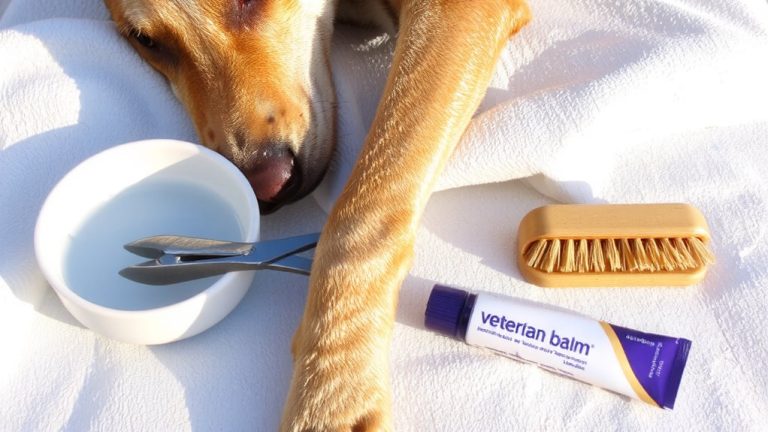
Now that you’ve spotted the signs-scooting, licking, or that unmistakable fishy odor-it’s time to prepare for expressing your dog’s anal glands at home. You’ll need disposable nitrile gloves for hygiene, a towel to place under your dog on a raised surface, and petroleum jelly to lubricate your index finger. Keep paper towels handy to catch the smelly fluid released from the 4 and 8 o’clock positions during anal gland expression. Afterward, gently clean the area with warm soapy water and a washcloth to prevent irritation. Being organized makes the process smoother and more effective.
| Supply | Purpose |
|---|---|
| Disposable nitrile gloves | Protect hands, maintain hygiene |
| Petroleum jelly | Lubricate index finger for gentle pressure |
| Paper towels | Catch fluid from 4 and 8 o’clock positions |
| Warm soapy water | Clean area post-expression with washcloth |
Can Your Dog Express Anal Glands Naturally?
How often does your dog actually need a helping hand with their anal glands? Most dogs have anal glands that naturally express during bowel movements, especially when firm stools apply pressure to the sacs at the 5 and 7 o’clock positions. When your dog defecates, they usually release small amounts of fluid-this is how dogs naturally express their anal glands. This normal process helps mark territory and keeps the sacs from getting too full. But if your dog’s stools are soft or they lack proper muscle tone, the sacs are full more often, and they may need their anal glands manually emptied. Signs like scooting mean your dog express may be overdue. While dogs can express their anal glands naturally, some need their anal support due to diet or health. Adding fiber like psyllium husk helps create bulk, so anal glands are less likely to stay full.
How to Express Anal Glands at Home
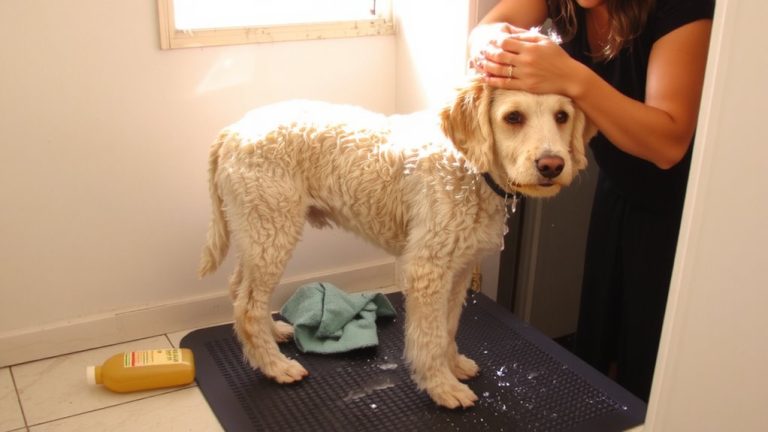
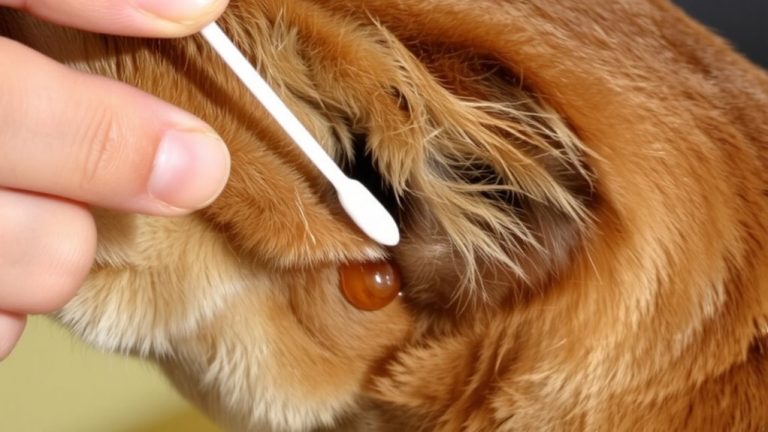
While your dog’s anal glands often express naturally during bowel movements, there are times you’ll need to step in and help, especially if they’re showing signs of discomfort like scooting or licking. To safely express dog anal glands at home, position your dog on an elevated surface or floor with a towel underneath. Gently lift the tail and locate your dog’s anal sacs at the 4 and 8 o’clock positions. Wear gloves, apply petroleum jelly, and use a gentle upward and inward motion to squeeze the anal glands externally. Use a paper towel to catch the foul-smelling, brown to tan fluid. This anal sac expression isn’t always necessary-many dog owners opt to have dog groomers express a dog’s anal as part of routine care. When learning how to express anal glands at home, cleanliness is key; wipe the area with a warm, soapy cloth afterward. Expressing your dog’s anal properly helps maintain comfort and hygiene.
When to Stop and Call the Vet
What should you do if something seems off during anal gland expression? If your dog shows pain, resists, or vocalizes, stop immediately-your finger might be causing discomfort or injury. If you see blood, pus, or thick, discolored chunks when you try to express the glands, these are signs of infection or abscessation, and your dog needs vet care fast. Swelling, redness, or warmth around the anal area also mean stop and call the vet. Even with correct finger placement at 5 and 7 o’clock, if you can’t express the glands after a few tries, your dog may have impaction. Persistent scooting, licking, or a strong fishy odor after expressing? That’s a red flag. These issues could mean incomplete emptying or deeper problems with your dog’s anal glands. You don’t need to risk it-call your vet.
Prevent Recurring Anal Gland Problems With Diet & Fiber
Often, the key to preventing recurring anal gland issues lies in your dog’s diet, especially when it comes to fiber and stool consistency. Feeding a high-protein diet with a low-fiber content-free from corn, wheat, and soy-helps maintain ideal stool bulk. Add 1/2 to 1 teaspoon of psyllium husk daily, mixed with water at a 1:3 ratio, to support firmer stools that naturally express the glands. Firm, well-formed stools-about 1 to 1.5 inches in diameter-apply just enough pressure to reduce anal gland impaction. Probiotics containing *Enterococcus faecium* or *Lactobacillus acidophilus* improve digestion and nutrient absorption, further supporting healthy stool consistency. Consistent use helps dogs with recurring anal gland problems stay comfortable. You’ll notice fewer scooting episodes and less need for manual expression-all through simple, science-backed tweaks to food and fiber.
On a final note
You’ve got this-expressing your dog’s anal glands at home is doable with the right supplies: latex gloves, lubricant, and a steady hand. If your vet approves, check for scooting or foul odors weekly. Most dogs express naturally, but high-fiber diets with 8–10% beet pulp help. Stop if you see blood or swelling-call your vet. Consistent fiber intake reduces flare-ups by up to 60%, per owner reports.