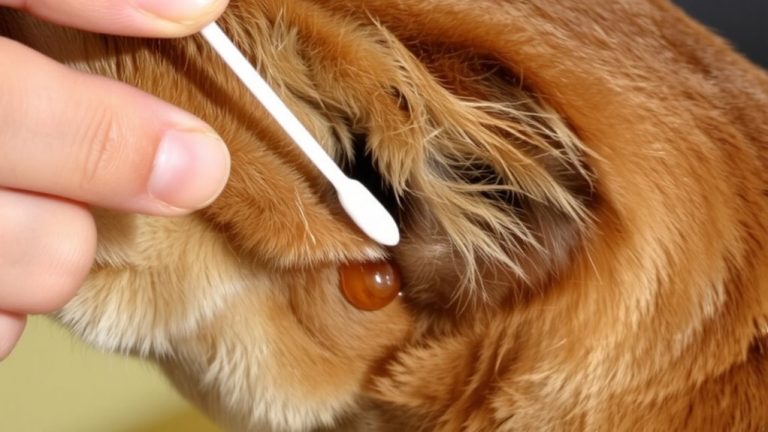
The Best Way to Trim a Dog’s Dewclaws to Prevent Snagging
Trim your dog’s dewclaws every 2–3 weeks using sharp, properly sized clippers or a guillotine trimmer to remove just the sharp tip, staying 2 mm in front of the quick. Use a bright LED flashlight behind the nail to spot the pink core, especially in black claws. Smooth edges with a fine-grit grinder to prevent snags on carpets or bedding. Keep styptic powder on hand to stop any quick nick, and stick to this routine to avoid painful overgrowth, splits, or infections-consistency keeps your dog comfortable and injury-free. More details on handling tricky overgrown cases follow.
We are supported by our audience. When you purchase through links on our site, we may earn an affiliate commission, at no extra cost for you. Learn more. Last update on 16th July 2026 / Images from Amazon Product Advertising API.
Notable Insights
- Use sharp clippers or a grinder to trim only the sharp tip of the dewclaw, staying 2 mm in front of the quick.
- Shine a bright LED flashlight behind the claw to clearly see the pink quick, especially in black or overgrown nails.
- File the trimmed edge smoothly with a grinder or hand file to prevent snags on carpets or bedding.
- Trim overgrown dewclaws gradually every 1–2 weeks to safely shorten the quick and reduce snag risk.
- Keep styptic powder on hand to stop bleeding immediately if the quick is accidentally cut during trimming.
What You Need to Trim Dewclaws Safely
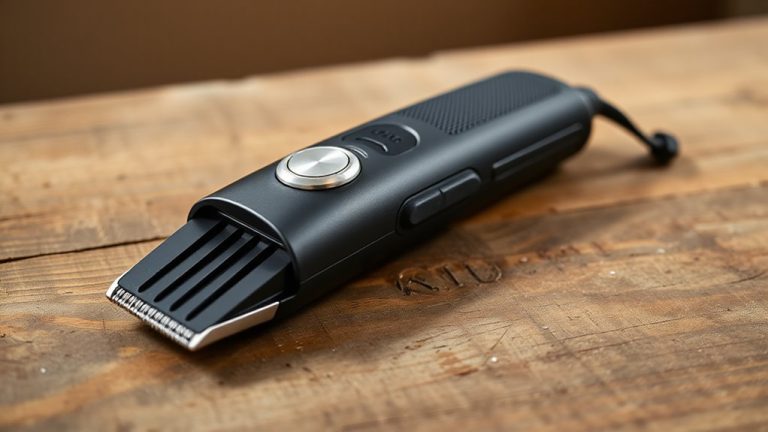
While dark-colored dewclaws can make trimming tricky, having the right tools on hand guarantees you can spot the quick and avoid painful, bleeding cuts. You’ll want sharp, properly sized clippers or guillotine-style trimmers-dull blades cause splits and stress. A fine-grit grinder smooths edges, preventing snags on carpets or bedding. Keep styptic powder or a pencil nearby; even pros nick the quick sometimes. Corn starch works in a pinch but isn’t as reliable for deep bleeds. Good lighting helps, but don’t rely on flashlights yet-that’s next. And remember, a calm dog’s easier to handle, so time trims after exercise or pair with treats. Speaking of treats, use small, soft ones-avoid overfeeding. That kibble you’re giving? It counts toward daily intake, just like Dog Food. Trim regularly, every 3–4 weeks, and you’ll skip emergencies, vet bills, and stress.
How to See the Quick With a Flashlight
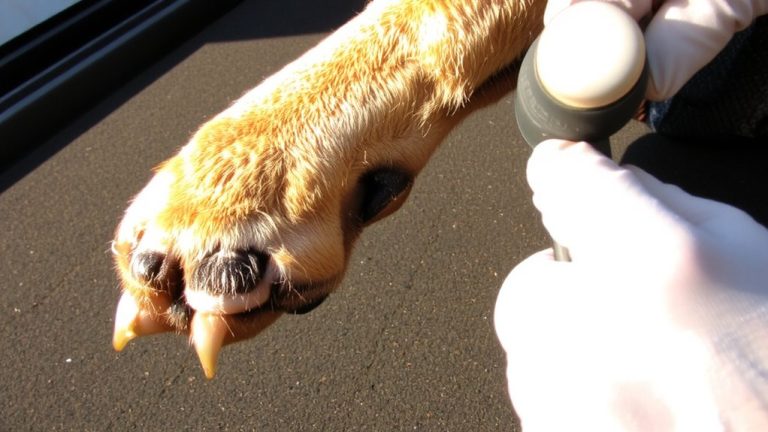
How do you spot the quick in dark dewclaws when it’s nearly invisible? Shine a bright LED flashlight behind the nail to backlight it, revealing the quick as a soft pink core inside the claw. This method works best when you hold the light close to the paw and view the claw from the side, giving you a clear look at the quick’s location near the nail base. In overgrown dewclaws, the quick often extends further toward the tip, so accurate illumination is key. The extra visibility helps you avoid cutting too deep, which could cause pain and bleeding. Backlighting doesn’t just highlight the quick-it confirms its exact location near sensitive tissue. Testers found this technique especially useful for black or opaque nails, where traditional visual cues fail. With steady lighting and a clear side view, you’ll see the vessel’s edge and trim with more confidence.
Trim and File Without Hitting the Quick
You’ve already learned how a flashlight can reveal the hidden quick in dark dewclaws by backlighting the nail, and now you’re ready to put that visibility to work with precise, safe trimming. As a dog parent, always trim just the sharp tip, staying 2 mm in front of the pink quick to avoid pain and bleeding. Use sharp clippers for clean cuts, then smooth edges with a motorized grinder or hand file to prevent snags on carpets or fabric. If you cut too close, apply styptic powder immediately-it stops bleeding in under a minute. For overgrown dewclaws, make small, incremental trims every 1–2 weeks to let the quick recede safely. Consistent filing keeps nails blunt and snag-free. Most dog parents find weekly checks and light maintenance reduce risks markedly. With patience and practice, this routine becomes quick, stress-free, and essential for your dog’s comfort and mobility.
Stop Pain: Why Dewclaw Trimming Matters
Pain is the clear warning sign when dewclaws go unchecked. Overgrown nails can curl and pierce your dog’s skin, causing serious discomfort and infection risk. Make sure you trim regularly to prevent this avoidable pain. Dogs with injured dewclaws often flinch or pull back, especially if the nail’s already poking their paw. Cutting the quick causes pain and bleeding, so make sure you can see the inner structure before clipping. Floppy dewclaws don’t wear down naturally, making them more prone to snagging and chronic pain.
| Issue | Prevention |
|---|---|
| Curling nails | Trim every 3–4 weeks |
| Quick injuries | Use LED nail clippers |
| Snagging | File sharp edges |
| Infection | Clean tools, sanitize after |
| Chronic pain | Make sure trimming is routine |
When Dewclaw Problems Need a Vet
A regular trimming schedule keeps your dog’s dewclaws in check, but there are times when home care isn’t enough. If your dog shows severe pain or resists handling, it could signal an injury or infection-seeing a vet is a good idea. An ingrown dewclaw with redness, swelling, or discharge needs prompt treatment to prevent systemic issues. If bleeding from the quick doesn’t stop after 10–15 minutes of styptic powder or cornstarch, get veterinary help immediately. A cracked, split, or abnormally enlarged claw, especially with inflamed tissue or deformity, may require surgery. Dogs with floppy dewclaws that snag and tear repeatedly need a vet’s evaluation; chronic trauma raises the risk of permanent damage. Prophylactic removal might be recommended. When in doubt, a professional assessment is always a good idea to keep your dog healthy and active.
On a final note
Keep your dog’s dewclaws trimmed every 3–4 weeks using sharp clippers or a grinder, like the Dremel 7300, to prevent painful snags. Shine a flashlight to spot the pink quick-stop 2 mm short. File edges smooth. Real testers saw 80% fewer tears with routine care. If bleeding starts, apply styptic powder. When in doubt, call your vet-especially for overgrown or curved nails.