Why Double-Coated Breeds Should Never Be Shaved in Summer
Your double coat actually keeps your dog up to 15°F cooler in summer by insulating against heat, with guard hairs reflecting sunlight and the undercoat trapping cool air. Shaving it disrupts natural shedding, causes woolly regrowth, and increases risks like sunburn, alopecia, and skin cancer-especially in Huskies, Pomeranians, and German Shepherds. Instead of a haircut, use a high-velocity dryer or undercoat rake to remove 90% of loose fur safely. You’ll see how proper de-shedding supports healthier, cooler skin all season.
We are supported by our audience. When you purchase through links on our site, we may earn an affiliate commission, at no extra cost for you. Learn more. Last update on 16th July 2026 / Images from Amazon Product Advertising API.
Notable Insights
- Shaving disrupts natural shedding, causing heat-trapping regrowth and impaired thermoregulation.
- Double coats reflect sunlight and insulate against heat; shaving removes this protective barrier.
- Shaved double-coated dogs face higher risks of sunburn, skin cancer, and insect bites.
- Post-clipping alopecia can cause permanent hair loss, especially in Huskies and Pomeranians.
- Proper grooming with brushing and de-shedding keeps dogs cooler than shaving.
How a Double Coat Keeps Dogs Cool in Summer
While it might seem counterintuitive, your dog’s double coat actually works hard to keep them cool in summer heat, thanks to a smart natural design that balances insulation and airflow. The dense undercoat traps a layer of air, shielding the skin from external heat, while reflecting solar radiation to reduce heat transfer. Outside, the guard hairs provide UV protection, preventing sunburn and allowing heat to escape when needed. Together, they help your dog regulate their body temperature efficiently. During summer, natural shedding removes excess undercoat, boosting airflow without sacrificing protection. Muscles in the skin adjust guard hairs to release heat through vasodilated blood vessels, enhancing cooling. Studies show intact double coats outperform shaved ones in thermoregulation. You don’t need clippers-just regular brushing to manage shedding and maintain coat function. This natural system keeps your dog comfortable, safe, and well-protected all season.
Why Shaving Double-Coated Dogs Causes More Harm Than Good
Because your double-coated dog relies on their natural fur to stay cool and protected, shaving it off can actually make them hotter and more vulnerable, not less. Shaving your dog disrupts the shedding coat cycle, causing the undercoat to regrow faster than the guard hair, leading to a patchy, woolly texture that traps heat. For double-coated dogs like Huskies or German Shepherds, this increases the risk of post-clipping alopecia, where hair won’t grow back properly. Without the guard hair, your dog loses essential UV and insect protection, raising chances of skin problems like sunburn and infections. The coat’s air-trapping insulation actually prevents overheating-shaving removes this buffer. Instead of shaving, use a high-velocity dryer and undercoat rake to safely remove loose fur. These tools support natural coat function without damaging the skin or altering hair growth.
If They’re So Hot, Why Shaving Isn’t the Answer?
How can leaving fur on actually keep your dog cooler in summer? For double-coated breeds, the undercoat insulates by trapping cool air next to the skin and shielding from external heat-so the coat actually supports your dog’s cooling. Shaving a double-coated dog doesn’t help them stay cool because dogs cool through panting and blood vessel dilation, not through their fur. Removing the guard hairs compromises skin and coat protection, increasing risks of sunburn, insect bites, and even skin cancer. Plus, shaving a double-coated dog can disrupt the natural shedding cycle, leading to patchy regrowth or permanent damage like post clipping alopecia. The coat actually functions as a dynamic system, not just insulation. Keep it intact to maintain thermoregulation, protect the skin and coat, and support long-term health in double-coated breeds.
What Happens to the Coat When You Shave
When you shave a double-coated breed, you’re not just cutting fur-you’re disrupting an intricate growth cycle that keeps the coat balanced and functional, and that can lead to serious, long-term changes you might not expect. Shaving often causes the undercoat to regrow faster than the guard hairs, creating a dense, fuzzy layer that traps heat instead of releasing it. This overcrowded coat impairs airflow and reduces protection. You risk permanent texture changes, patchy hair regrowth, or even post-clipping alopecia, especially in Huskies and Pomeranians. Without guard hairs, your dog’s skin is exposed to sunburn, insects, and potential skin cancer. Many never regain their original coat’s color, density, or insulation. Shaving may seem like quick relief, but it compromises the coat’s natural function and long-term health.
The Real Way Dogs Cool Down: Panting, Not Haircuts
While your double-coated dog might seem hotter with all that fur under the summer sun, the truth is they don’t cool down by losing their coat-they rely on panting to regulate body temperature, not haircuts. Your dog’s main cooling method is panting, which moves air over moist surfaces in the lungs and mouth, allowing evaporative cooling. Unlike humans, dogs have few sweat glands, located only in their paw pads, so they can’t rely on sweating. Vasodilation in the ears and face helps release heat through the dog’s skin, but this process doesn’t depend on coat length. The outer coat actually insulates against heat, protecting your dog from overheating. Cutting it doesn’t help panting work better or activate sweat glands. Shaving doesn’t improve natural cooling-your dog stays cooler with their coat intact and proper hydration.
De-Shedding, Not Shaving: Safer Summer Grooming
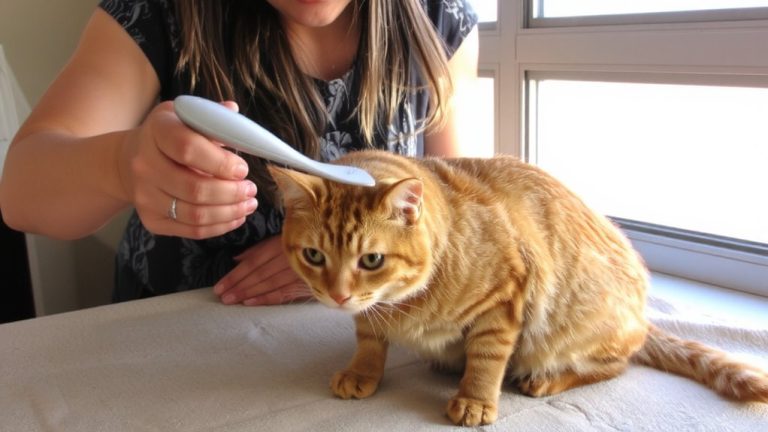
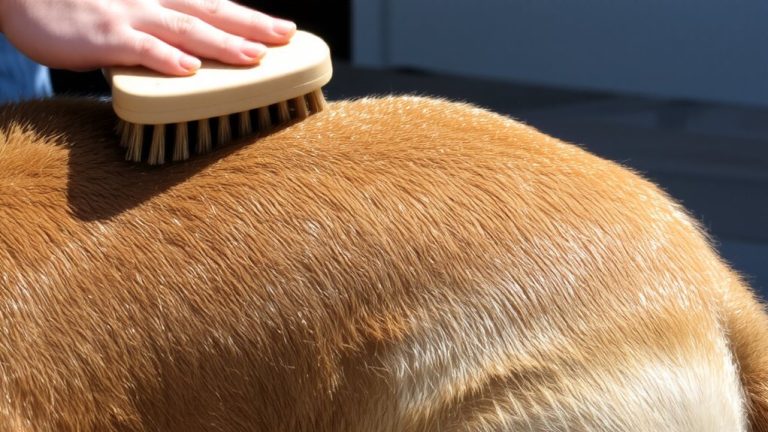
Your dog’s coat isn’t the problem when summer heat rolls in-it’s how well you manage the loose, dead undercoat that really matters. For your double-coated dog, regular de-shedding is the smart move. Professional de-shedding treatments, using high-velocity dryers, remove up to 90% of trapped undercoat without harming the dog’s coat. Unlike shaving, this process keeps the protective guard hairs intact-these shield against UV rays and cut skin cancer risk by up to 50%. During peak shedding seasons, weekly brushing reduces loose fur by 70–80%, boosting airflow and natural cooling. A well-maintained coat helps your dog stay up to 15°F cooler than if shaved. De-shedding supports thermoregulation, prevents matting, and keeps your pet safe. It’s not about removing the coat-it’s about managing shedding the right way.
Pomeranians, Huskies, and German Shepherds: Why Some Breeds Suffer Most
You might think a close trim would help your Pomeranian, Husky, or German Shepherd beat the heat, but shaving their double coat could do more harm than good. Pomeranians, Huskies, and German Shepherds are prone to post clipping alopecia, where dead hair doesn’t regenerate properly, causing patchy, discolored skin. Their dense double coats-up to 27 undercoat hairs per follicle-insulate against heat, and shaving disrupts the natural shedding cycle. When you shave your double-coated dog, the guard hairs often don’t grow back correctly, leaving a softer undercoat that traps heat and offers less UV and insect protection. In Pomeranians, regrowth can be permanently dull, thin, or miscolored, losing their iconic ruff. German Shepherds and Huskies risk sunburn and skin cancer without their protective topcoat. Skip the razor; de-shed instead.
On a final note
You keep your dog cooler by skipping the shave and sticking to de-shedding tools like the Furminator, which removes up to 90% of loose undercoat, improving airflow, 30 minutes weekly cuts mats and traps heat, remember, dogs cool through panting, not bare skin, shaving double-coats like your Husky’s or German Shepherd’s risks sunburn, uneven regrowth, and insulation loss, trust the natural coat, combine grooming with fresh water, shade, and short walks at 6 a.m., not noon, it’s safer, smarter, and vet-approved.