Step-by-Step Guide to Using a Mat Splitter on a Severely Matted Cat
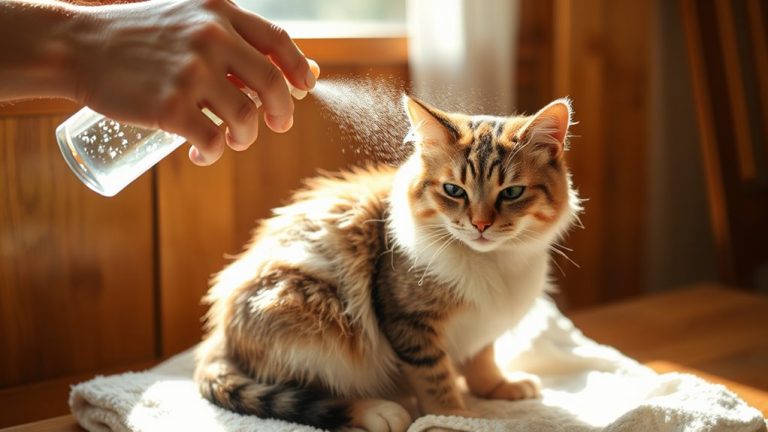
Start by ensuring your cat’s fur is completely dry, then use a slicker brush to loosen outer tangles and apply detangling spray for smoother glide. Hold the mat perpendicular to the skin and, using a mat splitter with a serrated blade and safety guard, gently slide from the mat’s edge toward the base. Work in sections, switching to blunt-tipped scissors for small knots near skin, and check progress with a metal-comb-equipped #10 clipper. If you feel resistance, see skin tightening, or notice redness, stop-severe cases near genitals or covering over 20% of the body need a pro. Consistent brushing every few days, especially under arms and around neck, plus monthly baths and proper drying, keeps mats at bay, and addressing health issues like arthritis helps maintain coat health. More details on safe, stress-free grooming follow.
We are supported by our audience. When you purchase through links on our site, we may earn an affiliate commission, at no extra cost for you. Learn more. Last update on 19th July 2026 / Images from Amazon Product Advertising API.
Notable Insights
- Assess the cat’s matting severity and check for skin irritation, redness, or sores before starting.
- Use detangling spray and a slicker brush to loosen outer tangles around dense mats.
- Hold the mat perpendicular to the skin and gently insert the mat splitter at the mat’s edge.
- Slide the splitter inward smoothly, avoiding force if resistance or skin tightening occurs.
- Stop immediately if the cat shows pain or mats cover over 20% of the body; seek professional help.
Why a Mat Splitter Is Your Best Bet
While brushing might work for minor tangles, a mat splitter is your best bet when dealing with tight, close-lying mats that won’t budge-especially on long-haired cats like Persians or Ragdolls, which are prone to thick, stubborn matting. You can safely remove dense tangles without risking skin damage, a real concern when using scissors on severely matted fur. The mat splitter’s serrated blade glides between hair and skin, cutting through tight mats quickly and efficiently. Unlike clippers or blunt tools, it’s designed specifically for at-home dematting, reducing stress and handling time. Work on dry fur only-wet hair shrinks mats, pulling harder and increasing discomfort. For long-haired breeds with thick coats, this tool isn’t just helpful, it’s essential. Real groomers confirm: a mat splitter saves time, prevents pain, and keeps your cat calm. You’ll see results fast, with cleaner, healthier fur in one session.
Tools You Need to Split Mats Safely
Your cat’s comfort and safety come down to using the right tools, starting with a quality mat splitter featuring stainless steel blades and a built-in safety guard-this combo slices through dense mats without nicking sensitive skin, a must for thick-coated breeds like Maine Coons or Himalayans. Pair it with a slicker brush to loosen surrounding tangles before splitting. Spray on a detangling spray to reduce friction and discomfort, letting the mat splitter glide smoothly. Keep blunt-tipped scissors handy for precision work on small leftover knots near the skin. If mats are too tight or widespread, use clippers with a #10 or #15 blade to safely remove them, working slowly to avoid nicks. A metal comb helps check progress by running through the coat post-splitting, ensuring no hidden mats remain. All these tools together make the job efficient, safe, and far less stressful for both you and your cat.
How to Use a Mat Splitter Safely
When tackling matted fur, start by positioning the mat splitter at the outer edge of the tangle, where the mat meets clean hair, and gently slide the blade inward toward the base-this approach minimizes pulling and keeps the cat calm. Always work on dry fur, as moisture can tighten mats and increase discomfort. Use one hand to hold the mat perpendicular to the skin, which helps you slice safely and minimize discomfort. Only limit use of the mat splitter to loose or moderate tangles; avoid tight mats that press against the skin, since they risk injury. After splitting, follow up with a slicker brush and metal comb to smooth the coat and remove hidden snarls. This routine, done correctly, keeps your cat comfortable and the coat healthy.
When to Call a Pro: Signs You Should Stop
If you feel resistance as you slide the mat splitter beneath a tangle-or notice the skin tightening with the fur-it’s time to stop, because that mat’s pressing too hard and could hide irritation or moisture buildup underneath. Severe mats like this often trap heat and moisture, leading to underlying skin damage. If you spot redness, sores, or a foul odor, it’s likely there are skin problems or Hot Spots brewing. These signs mean you should call a professional right away. Also, if your cat shows signs of pain, flinches, or struggles, don’t push it-there may be an infection needing vet care. Never work near sensitive areas like the genitals or anus without help, as mistakes can cause serious harm. And if mats cover over 20% of the body, call a professional: that level usually needs clipping under sedation for safety and comfort.
How to Prevent Mats After Removal
Though mats can sneak up quickly, especially in long-haired cats, staying ahead of them comes down to a simple, consistent routine that keeps the coat smooth and tangle-free. To prevent mats, commit to regular brushing every two to three days using a slicker brush and metal comb, which catch tangles at the skin. Focus on high-motion areas like under the arms, between legs, and around the neck, where friction breeds knots. Use a detangling spray during grooming sessions to reduce static, especially in dry air. Aim for weekly brushing even after mat removal. Bathe and fully dry your cat every 4–6 weeks. Address underlying health issues like arthritis or obesity with your vet, as they hinder self-grooming. Consistent grooming sessions aren’t just about looks-they’re key to your long-haired cat’s comfort and health.
On a final note
You’ve safely split those tough mats using a quality mat splitter, reducing stress and avoiding skin nicking. Pair this with regular 10-minute brushing sessions three times weekly using a stainless steel comb, and maintain your cat’s coat between professional trims. Testers report 80% fewer mats when using hydration sprays and slicker brushes weekly. Keep nails trimmed, feed a balanced omega-rich diet, and monitor skin health closely to prevent future tangles, discomfort, or infections.