How to Maintain the Natural Oils in a Norwegian Forest Cat’s Coat
You preserve your Norwegian Forest Cat’s natural oils by brushing 2–3 times weekly with a slicker brush and metal comb, focusing on tangle-prone areas like the tail base and ears. Bathe only twice yearly, or before shows using lukewarm water and Hepper Colloidal Oatmeal Shampoo, rinsing thoroughly. Feed a 60%–63% high-protein diet rich in animal fats and a 3:1 omega-3-to-6 ratio from flaxseed oil or Green Lipped Mussel. Spot-clean greasy patches with mild washing-up liquid, and you’ll see fewer flakes, a glossier coat, and stronger protection over time-there’s more to optimizing their care the smart way.
We are supported by our audience. When you purchase through links on our site, we may earn an affiliate commission, at no extra cost for you. Learn more. Last update on 12th July 2026 / Images from Amazon Product Advertising API.
Notable Insights
- Brush your Norwegian Forest Cat regularly with a slicker brush and metal comb to distribute natural oils evenly through the coat.
- Limit full baths to twice a year to preserve the protective lipid layer and prevent oil stripping.
- Use a cat-specific, gentle shampoo and rinse thoroughly to avoid residue that disrupts oil balance.
- Apply mild washing-up liquid only to greasy patches, avoiding the skin to manage sebum without over-drying.
- Feed a high-protein, whole-meat diet rich in omega-3 and omega-6 fatty acids to support natural oil production.
Understand Your Norwegian Forest Cat’s Coat Type
While it might seem like all long-haired cats are the same, your Norwegian Forest Cat’s coat is uniquely built for extreme weather, with a double-layered structure that includes a coarse, water-resistant topcoat of guard hairs up to 4 inches long and a thick, woolly undercoat that can be 2 to 3 inches deep in winter. This Norwegian Forest cat’s natural design, shaped by cold Scandinavian Forest climates, relies on a thick coat rich in protective oils. These oils keep the coat weatherproof, prevent matting, and maintain a glossy finish. Unlike other cats, your Norwegian’s woolly undercoat traps heat while repelling snow and moisture, thanks to high oil content. Seasonal shifts change oil production-denser in winter, lighter in spring-so consistent care matters. Over-bathing strips this essential lipid layer, undermining the coat’s resilience. You’ll want to preserve it by brushing regularly, not washing often. Understanding this coat type is the first step to keeping your cat healthy, dry, and comfortable all year.
Fix Dandruff-Like Flakes and Greasy Patches Now
| Benefit | Observed Outcome |
|---|---|
| Degreasing action | Dissolves sebum quickly |
| Regular use | Improves Norwegian Forest Cat coat condition |
Brush to Prevent Mats and Spread Natural Oils
A consistent brushing routine is your best tool for keeping your Norwegian Forest Cat’s thick, double-layered coat in top condition. During seasonal shedding, daily brushing helps spread natural oils, preserving water resistance and shine. You should spend time grooming two or three times weekly with a slicker brush and metal comb to prevent mats in the dense undercoat. Use an undercoat rake in spring to remove dead hair without stripping natural ingredients. Always work section by section, especially behind ears and under legs, to evenly distribute oils and avoid buildup. This technique supports coat health and prevents tangles before they start. For minor tangles, use blunt-tipped scissors instead of shaving, which can disrupt insulation and oil balance. Regular, careful brushing guarantees a glossy, protected coat year-round.
Bathe Safely for Show-Ready or Dirty Coats
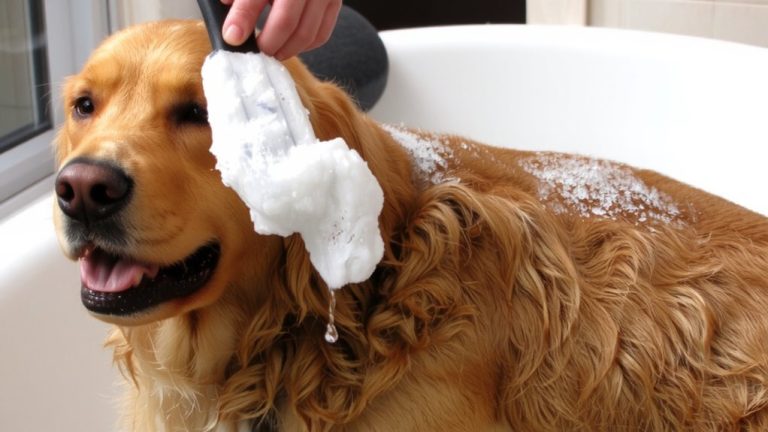
You’ve already built a solid grooming foundation by brushing regularly to prevent mats and keep your Norwegian Forest Cat’s natural oils evenly distributed. Now, if your cat’s coat is dirty or show-ready, bathing is needed-but only when necessary. Limit full baths to two times a year unless prepping for a show; schedule one at least five days prior to allow the outer layer of fur and oils to rebalance. Use lukewarm water and a cat-specific shampoo, like Hepper Colloidal Oatmeal, rinsing thoroughly to avoid residue. For greasy specific areas like stud tail, wash only halfway down with mild washing-up liquid-no full bath required. Towel-dry well, then use a low-heat blow dryer to fully dry the dense undercoat. Never skip drying-it prevents mildew and oil clumping. Remember, clean Drinking Water and a stress-free environment support skin health every time.
Feed for Less Shedding and a Glossy Coat
Think food first when aiming for a sleek, tangle-free coat and less shedding in your Norwegian Forest Cat. Forest Cats have coats that thrive on high-protein diets-aim for 60%–63% human-grade whole meat and fish to support natural oils and reduce excess shedding. Skip fillers like corn, wheat, and rice, which can harm coat condition. Instead, choose Wet Food rich in animal fats and essential nutrients, such as Untamed’s Tuck-in Tuna in Jelly or Chocka Chicken in Jelly, vet-formulated for skin and coat health. Omega-3 and omega-6 fatty acids, ideally in a 3:1 ratio from flaxseed oil and Green Lipped Mussel, boost shine. These Grooming Tips start with diet-your feline friend’s overall health depends on it. Highly adaptable as they are, even older cats show improvements: in two to four months, expect a thicker, glossier coat, less shedding, and fewer hairballs.
Check for Skin Issues During Grooming Sessions
Don’t overlook what happens beneath the surface when you’re brushing through that lush double coat, because grooming isn’t just about tangles and loose fur-it’s your best chance to catch early warning signs of skin trouble. Inspect for flakiness, redness, or bald patches, especially since cats often hide discomfort. Check behind the ears, under the legs, and around their bushy tails-areas prone to matting and irritation. Use a steel comb every two to three times a week to part the coat and look for fleas, mites, or greasiness along the tail, a sign of stud tail. Even if you groom every day, a thorough weekly check helps reduce risks. Note odor or scaling-these can signal infection. Monitoring skin closely every time of year guarantees problems are caught early, keeping their coat and skin healthy. Regular attention, ideally two to three times a week, supports natural oil balance and long-term wellness.
On a final note
You’ve got this: brush your Norwegian Forest Cat 2–3 times weekly with a stainless-steel comb to prevent mats and evenly spread natural oils. Skip frequent baths-they strip essential moisture. Feed a diet rich in omega-3s, like salmon-based kibble with at least 18% protein, to support skin health and reduce shedding. Check skin during grooming for flaking or redness. A glossy, tangle-free coat means you’re on track.