Step-by-Step Guide to Cleaning a Dog’s Lips and Jowls to Prevent Bacterial Growth
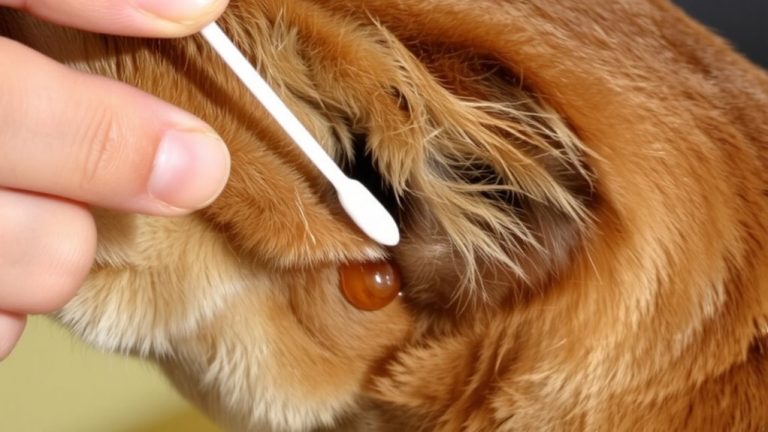
Clean your dog’s lip folds daily, especially if they’re a Bulldog or Mastiff, using a soft, damp cloth or vet-approved chlorhexidine wipe with 0.12% chlorhexidine to remove food, saliva, and bacteria. Gently lift the lips, wipe deep into folds with gauze wrapped around your finger, and dry thoroughly to prevent moisture buildup. Check for redness, bad odor, or yellow discharge-early signs of infection. Do this every other day, or twice daily if your dog’s had lip fold dermatitis before, and you’ll keep their jowls healthier while catching issues early. There’s more to optimizing your routine based on your dog’s specific needs and habits.
We are supported by our audience. When you purchase through links on our site, we may earn an affiliate commission, at no extra cost for you. Learn more. Last update on 19th July 2026 / Images from Amazon Product Advertising API.
Notable Insights
- Clean your dog’s lip folds daily using a damp cloth or vet-recommended wipe to remove debris and prevent bacterial buildup.
- Use a sterile gauze-wrapped finger to gently clean deep folds and avoid irritating sensitive skin.
- Dry the lip and jowl areas thoroughly after cleaning to eliminate moisture that promotes bacterial and fungal growth.
- Monitor for redness, bad odor, or discharge, and consult a vet if signs of infection appear.
- Apply a veterinarian-approved 0.12% chlorhexidine solution every 2–3 days to maintain healthy skin and prevent infections.
Clean Your Dog’s Lip Folds Daily
You’ll want to clean your dog’s lip folds every day, especially if they’re a breed like a Bulldog or Mastiff that carries deep facial folds. Daily cleaning helps prevent infection by removing trapped food, saliva, and debris that fuel bacterial and fungal infections. Skipping this routine can lead to fold dermatitis or painful lip fold pyoderma, which often requires antibiotics. Use a damp cloth or veterinary-recommended wipe soaked in a pH-balanced antimicrobial solution to gently clean the area. These solutions are formulated to maintain healthy skin pH and reduce harmful microbes. Always dry the folds thoroughly after cleaning-moisture retention creates the perfect environment for bacteria. Clean your dog’s lip folds daily to stop irritation before it starts, and make it a consistent part of your grooming routine to prevent infection and keep your pup healthy.
Use Gauze, Wipes, or Fingers Safely
Cleaning your dog’s lip folds every day sets the foundation for long-term health, and now it’s time to focus on the tools that make the job effective and safe. Wrap sterile gauze around your finger to gently lift and wipe deep skin folds, removing trapped debris and reducing bacterial growth. For convenience, use vet-recommended, chlorhexidine-infused wipes-they cut microbial load fast and won’t irritate sensitive tissue. Never use human baby wipes; they contain propylene glycol, which can be toxic if ingested. When cleaning with your fingers, be gentle to avoid abrasions. Deep-jowled breeds like Bloodhounds need daily care to prevent moisture buildup that leads to lip fold pyoderma. After wiping, always dry the area thoroughly-trapped humidity fuels infections. Using the right tools safely guarantees your dog stays comfortable and healthy.
Watch for Redness, Odor, or Discharge
While inspecting your dog’s lips and jowls during routine care, don’t ignore subtle warning signs like redness, odor, or discharge-they’re often the first clues to an underlying issue. Redness in the lip folds or jowls can point to a bacterial infection or fungal infection, especially in breeds like Bulldogs or Basset Hounds. A persistent bad odor often means anaerobic bacteria are thriving in trapped moisture and food debris. Discharge, particularly yellow or green, signals active infection and needs vet attention. Moisture buildup leads to maceration, increasing infection risk. During regular inspection-aim for twice weekly-check deep within the folds where inflammation starts. Catching redness, odor, or discharge early makes treatment easier and prevents worsening. Clean, dry jowls and intact skin mean good hygiene. Stay alert: your dog’s health depends on your watchfulness.
Stick to a Consistent Cleaning Routine
Regularly wiping your dog’s lips and jowls every other day keeps trouble at bay, using a soft, damp cloth to clear trapped food and lingering moisture where bacteria multiply. This simple step supports overall oral hygiene and prevents bacteria growth, especially in breeds prone to deep folds. For best results, use a vet-approved chlorhexidine solution (0.12%) or antiseptic wipe daily. If your dog has a history of lip fold dermatitis, stick to a consistent cleaning routine twice daily to keep the dog’s mouth area clean and healthy. Good dental care isn’t just about teeth-it’s part of broader pet health.
| Frequency | Tool | Purpose |
|---|---|---|
| Every other day | Soft, damp cloth | Remove food debris, reduce moisture |
| Daily | Chlorhexidine solution | Control bacteria growth |
| Daily | Antiseptic wipe | Maintain oral hygiene |
| Twice daily | Cloth + solution | Prevent lip fold dermatitis |
Prevent Infections Between Vet Visits
Since your dog can’t wipe their own face, it’s up to you to keep their lips and jowls dry and clean between vet visits, especially if they’re a breed like a Bulldog or Bloodhound with deep facial folds that trap moisture and food. Daily cleaning with a soft, damp cloth removes debris and helps control bacteria that can lead to plaque, tartar, and poor oral care. Focus on the gum line and inner folds where moisture hides. Use a chlorhexidine wipe (0.12%) every 2–3 days to maintain healthy skin and prevent lip fold dermatitis. After meals, lift the lips and dry thoroughly to stop yeast and bacterial infections. Check weekly for redness, odor, or swelling-early signs of trouble. Consistent dental care isn’t just about teeth; it’s key to overall care and preventing painful, chronic issues.
On a final note
Keep your dog’s lip folds clean every day using soft gauze or vet-approved wipes to prevent bacteria buildup. Gently lift the lips and wipe inward, drying thoroughly-moisture breeds odor and infection. Check for redness, swelling, or gunky discharge; catch issues early. Stick to a routine, ideally after meals, using 2–3 gentle swipes per side. Real testers saw fewer flare-ups within two weeks. Consistency beats intense cleaning-daily care keeps your pup healthier, happier, and smelling better between vet checkups.