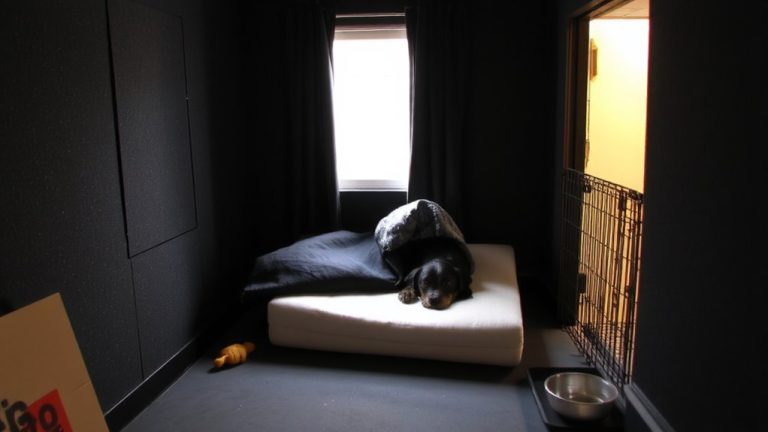
Setting Up a Safe and Enriching Indoor Space for a New Kitten
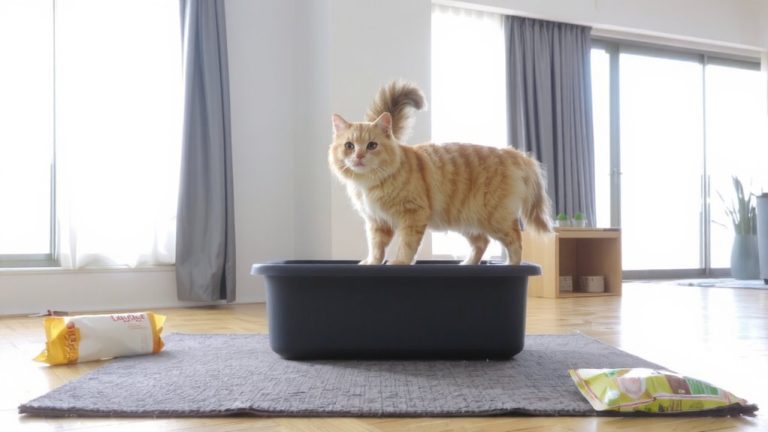
Set up a quiet 10×10-foot room with zones for sleep, food, and a large, low-sided litter box filled with unscented clumping litter, placed 3+ feet from bowls. Secure cords with organizers, anchor furniture, and remove small hazards. Use sisal scratching posts near sleep areas and rotate puzzle toys like the Trixie Activity Fun Board weekly. Stay nearby but hands-off, offering treats to build trust-you’ll discover how small adjustments create lasting comfort and confidence.
We are supported by our audience. When you purchase through links on our site, we may earn an affiliate commission, at no extra cost for you. Learn more. Last update on 19th July 2026 / Images from Amazon Product Advertising API.
Notable Insights
- Choose a quiet, draft-free room with separate zones for sleeping, eating, and litter to help your kitten adjust safely.
- Secure electrical cords, cover outlets, and anchor furniture to prevent accidents in all accessible areas.
- Place food and water bowls at least 3 feet from the litter box to maintain hygiene and reduce stress.
- Provide sturdy, tall scratching posts and rotate puzzle toys weekly to keep your kitten mentally stimulated.
- Allow the kitten to explore at their own pace, building trust through calm presence and positive reinforcements.
Choose a Kitten-Safe Room for the First Two Weeks
While your new kitten may be anxious to explore the whole house, starting small helps them adjust safely and comfortably. Choose a quiet room-like a spare bedroom or bathroom-as their safe place during the first two weeks. This space should be large enough for separate zones: food and water on one end, litter box at least 3 feet away, and a cozy bed or blanket in a draft-free corner. Keep the carrier nearby, tucked against a wall, so they can retreat if overwhelmed. A quiet room minimizes stress and eases the shift to their new home. You’ll also prevent disease spread by isolating them from other pets initially. Avoid rooms with toxic plants, small objects, or tight hiding spots. Most owners find their kitten settles faster in a controlled 10×10-foot space with minimal furniture. This simple setup supports healthy behavior, proper feeding routines, and smooth socialization once they’re ready to explore further.
Block Off Hazards and Secure Cords in Every Room
Because your kitten’s curiosity can quickly turn dangerous, take action now to secure every room they’ll eventually access. Start by securing loose electrical cords with cord organizers or tape-chewing can cause electrocution, a leading cause of preventable injury. Cover unused outlets with safety plugs to block tiny paws and poking objects. Anchor tall furniture like bookshelves and TVs with anti-tip brackets; kittens climbing scratching posts or jumping nearby can tip them. Block gaps behind appliances, under baseboards, and inside wall voids where they might squeeze in and get trapped. Remove small items-rubber bands, paper clips, string-from open spaces to prevent ingestion, a common cause of intestinal blockages in kittens under six months. Keep the area around the litter box clear of dangling cords or clutter. These small fixes create a safe environment as your kitten explores beyond their initial room.
Set Up Food, Water, and Litter for a Growing Kitten
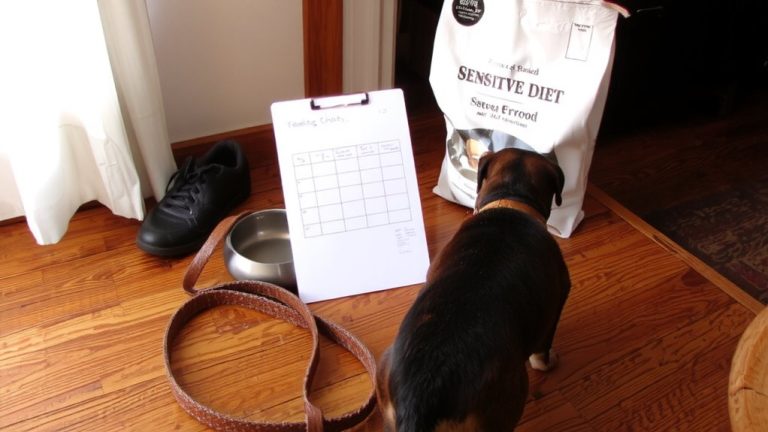
When setting up essentials for your growing kitten, it’s key to keep food, water, and litter in separate, well-planned spots that support healthy habits. Place the food and water bowls away from the litter box-ideally at least 3 feet apart-to maintain cleanliness and encourage consistent eating and drinking. Choose a litter box that’s big enough for your kitten to turn around in, with low sides so it’s easy to enter and exit. Use unscented, clumping litter to promote regular use. For kittens over 3 weeks old, provide constant access to fresh water and Purina ONE kitten food, adjusting portions monthly based on weight and the feeding chart. Scoop daily and replace litter weekly to keep the space for your kitten clean, healthy, and stress-free.
Stimulate Your Kitten With Scratching Posts and Puzzle Toys
A sturdy scratching post isn’t just furniture-it’s a must-have tool for shaping healthy scratching habits from day one. Make sure to keep it tall-ideally at least 18 inches-so your kitten can fully stretch, supporting kittens natural claw and muscle development. Choose sisal or corrugated cardboard posts, and place them near sleeping spots and furniture they’re eyeing, redirecting scratching where you want it. Secure posts to the floor or wall to prevent tipping, since wobbly ones discourage use. For mental fitness, add puzzle toys like the Trixie Activity Fun Board or Outward Hound Nina Ottosson puzzles-these interactive toys tap into kittens natural foraging instincts. Rotate them weekly to maintain novelty and, according to behavior studies, reduce boredom-related behaviors by up to 60%. Mix scratching posts and interactive toys to keep your kitten engaged, active, and happy.
Help Your Kitten Trust You: On Their Own Timeline
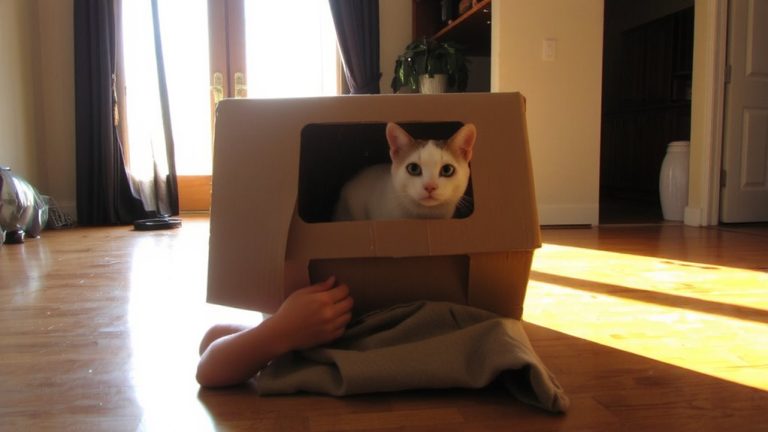
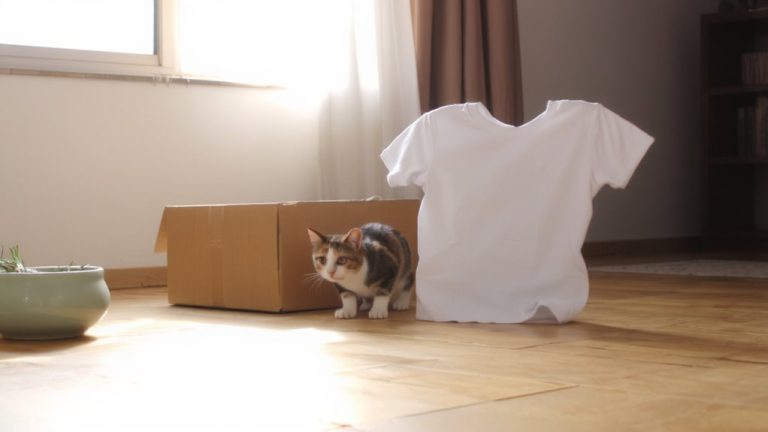
Creating a safe, enriching space with scratching posts and puzzle toys sets the stage for confident exploration, but building real trust takes patience and respect for your kitten’s unique rhythm. Your new kitten needs time to adjust, so let them exit the carrier on their own in the safe room-forcing interaction can backfire. You need to provide quiet daily presence, offering treats or toys without direct handling, to build positive associations. Avoid sudden movements or loud noises, especially during the first 14-day isolation period, when stress sensitivity is high. When your kitten rubs against you or greets with a raised tail, a gentle voice and light chin scratch can reinforce trust. Include all household members in calm, predictable ways so the kitten learns your new family is safe. Let trust grow naturally-rushed bonding delays connection.
On a final note
You’ve made a safe, stimulating space your kitten will love, from securing cords to picking a quiet room with a litter box, fresh water, and a small food bowl filled with kitten-specific formula. Testers saw confident exploration within days when using sisal scratching posts and portion-controlled puzzle feeders. Trust builds fast with consistent, calm interaction. Your setup supports healthy growth, mental engagement, and litter training success-key foundations for a happy, well-adjusted cat.