Recognizing Symptoms of Canine Ehrlichiosis After Tick Exposure
If your dog was bitten by a tick, especially in the South or Southwest, watch for fever, lethargy, or reduced appetite within 1–3 weeks. Nosebleeds, swollen lymph nodes, or bruising could signal low platelets from ehrlichiosis, caused by E. canis and spread by brown dog ticks in just 3–6 hours. Vets use PCR or IFA tests to confirm, then prescribe a 28-day doxycycline course. With prompt care, most dogs improve within 48 hours-learn how recovery and long-term protection work with the right prevention plan.
We are supported by our audience. When you purchase through links on our site, we may earn an affiliate commission, at no extra cost for you. Learn more. Last update on 19th July 2026 / Images from Amazon Product Advertising API.
Notable Insights
- Ehrlichiosis symptoms typically appear 1–3 weeks after a tick bite, starting with fever, lethargy, and reduced appetite.
- Watch for nosebleeds or bruising, as thrombocytopenia can cause serious bleeding disorders in infected dogs.
- Swollen lymph nodes, weight loss, and persistent fever above 103.5°F are early warning signs of infection.
- Vomiting, diarrhea, difficulty breathing, or neurological issues like stumbling may indicate advancing disease.
- Sudden collapse, pale gums, or blood in urine require immediate veterinary care due to anemia or internal bleeding.
What Causes Ehrlichiosis in Dogs?
While you might not think much of a small tick clinging to your dog’s skin, that single bite could introduce a serious bacterial infection, especially in high-risk areas. Ehrlichiosis in dogs is caused by Ehrlichia bacteria, primarily E. canis, which invades white blood cells and is transmitted by the brown dog tick. The brown dog tick (Rhipicephalus sanguineus) is the main carrier of canine ehrlichiosis in the United States, particularly in the South and Southwest, including Texas, Louisiana, and Oklahoma. Transmission can occur within just 3 to 6 hours of a bite of an infected tick, so prompt removal is essential. Unlike Lyme disease, this tick-borne disease isn’t spread between dogs or to people, though humans can get other forms from infected ticks. Always check your dog after outdoor time-early action prevents complications from this silent but serious threat.
What Are Early Signs of Ehrlichiosis in Dogs?
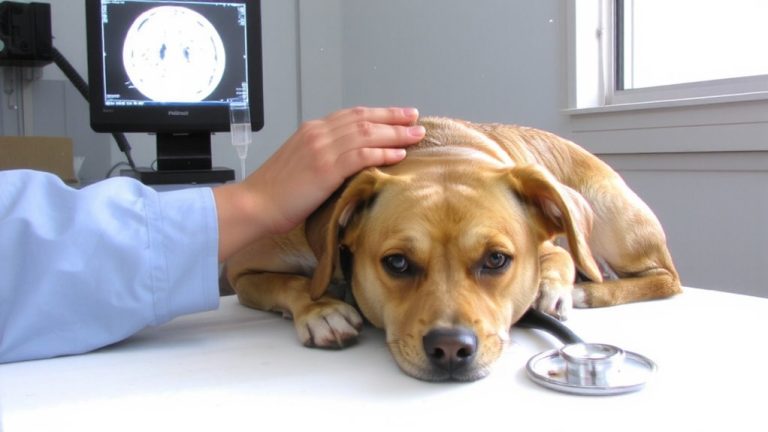
A tick bite can do more than just irritate your dog-it can trigger a chain of symptoms that signal the start of ehrlichiosis, especially if that tick carried Ehrlichia bacteria. Early signs typically appear 1–3 weeks post-bite and include fever, lethargy, and reduced appetite. You might notice your dog seems off, with mild depression, runny nose, or weight loss. Swollen lymph nodes are common, and some dogs develop bleeding problems like nosebleeds due to thrombocytopenia, a drop in platelets often found on blood tests. Vomiting, diarrhea, or trouble breathing can also occur. Neurological signs like stumbling may appear early. Since symptoms vary and mimic other illnesses, any suspicious changes after a tick exposure mean a trip to the veterinary clinic is essential. Catching ehrlichiosis early improves outcomes markedly.
When Is Ehrlichiosis in Dogs an Emergency?
When should you call the vet-or head straight to the emergency clinic-after spotting something off in your dog following a tick bite? If your dog is infected with ehrlichiosis, sudden nosebleeds, blood in urine, or prolonged bleeding from small wounds signal severe bleeding disorders and demand immediate care. Persistent fever over 103.5°F, collapse, or pale gums point to severe anemia or internal blood loss. Neurological problems like seizures, confusion, or stumbling are emergencies too. These symptoms of ehrlichiosis can escalate fast after tick bites. Don’t wait-contact your veterinarian right away. Quick diagnosis and treatment can be lifesaving, and in critical cases, blood transfusions may be needed. Early action gives your dog the best shot at a full recovery, so stay alert and respond fast when danger signs appear.
How Do Vets Diagnose Ehrlichiosis in Dogs?
| Test Type | What It Checks |
|---|---|
| PCR | *Ehrlichia* DNA in blood |
| IFA | Antibody levels over time |
| CBC & blood work | White blood cells, platelets, anemia |
If results are unclear or the disease persists, a bone marrow test might be needed. Early detection helps guide effective care before antibiotic treatment begins.
How Is Ehrlichiosis in Dogs Treated?
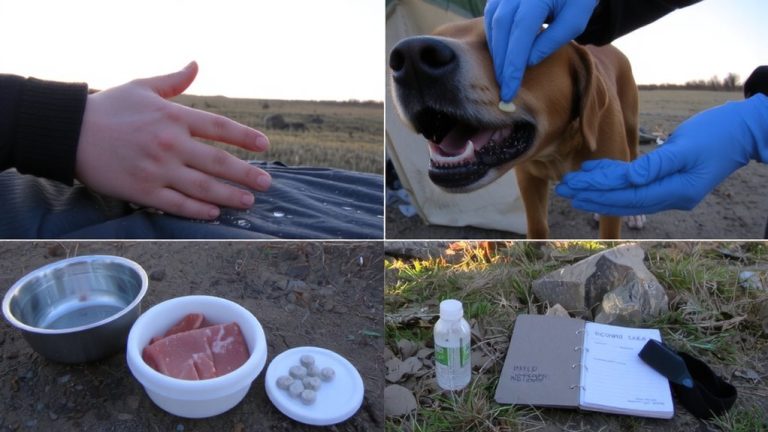
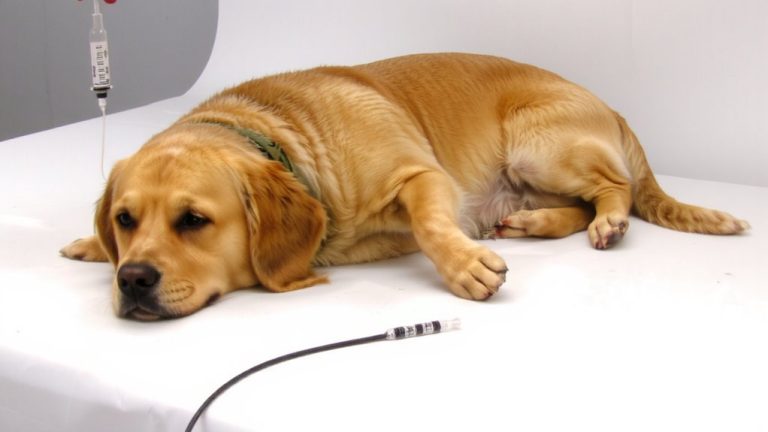
Once your vet confirms ehrlichiosis through PCR, IFA, or blood work, the real work of recovery begins-and you’ll be relieved to know treatment is straightforward in most cases. The go-to treatment is a 28- to 30-day course of doxycycline, which usually brings quick improvement in your dog during the acute phase-often within 24 to 48 hours. This antibiotic helps stabilize your dog’s immune system and clears the infection effectively. However, dogs with chronic ehrlichiosis, especially those in the chronic phase with bone marrow suppression, may need more than just doxycycline. They often require supportive care like IV fluids, nutritional support, or even blood transfusions if anemia or thrombocytopenia is severe. Left untreated, ehrlichiosis can cause lasting damage. While subclinical dogs might not always need treatment, catching it early guarantees the best outcome.
How to Prevent Reinfection After Recovery
Even though your dog has fully recovered from ehrlichiosis, they’re not immune to reinfection-so staying proactive is key. To prevent ehrlichiosis, keep your dog on year-round flea and tick prevention, like Bravecto, NexGard, or Simparica, which kill ticks within hours-crucial since they can transmit Ehrlichia canis in just 3 to 6 hours if bitten by an infected tick. Ask your veterinarian about the best treatment plan and stick to it religiously. Check your dog daily, especially ears, under the collar, and between toes. Remove any tick promptly with fine-tipped tweezers. Keep your dog away from wooded or overgrown areas where ticks thrive. Avoid dog shows or outdoor events in high-risk zones during peak tick season. Protect your dog even after recovery-because if they show signs again, early detection makes all the difference.
On a final note
You’ve got this-spotting ehrlichiosis early means watching for lethargy, fever, or nosebleeds after tick season. If your dog shows signs, especially within 1–3 weeks post-bite, see your vet fast. Diagnosis is quick with SNAP 4Dx tests, and treatment usually involves doxycycline for 28 days. Use proven preventives like Frontline or Seresto collars, check your dog daily, and aim for year-round protection. Recovery’s likely with prompt care, so stay vigilant.