Recognizing Signs of Canine Brachycephalic Syndrome in Short-Nosed Breeds
You might notice your French Bulldog or Pug breathing noisily, snoring loudly, or tiring quickly on walks-these are telltale signs of Brachycephalic Obstructive Airway Syndrome (BOAS). Stenotic nares, an elongated soft palate, and reduced trachea size restrict airflow, especially in heat above 21°C. Watch for gagging, cyanosis, or collapse after mild activity. Early diagnosis via physical exam or WBBP testing can guide treatment, including weight control or corrective surgery. The next steps could change how your dog experiences everyday life.
We are supported by our audience. When you purchase through links on our site, we may earn an affiliate commission, at no extra cost for you. Learn more. Last update on 19th July 2026 / Images from Amazon Product Advertising API.
Notable Insights
- Noisy breathing, such as stertor or stridor, during wakefulness is a common early sign of Brachycephalic Obstructive Airway Syndrome.
- Chronic snoring and disrupted sleep often result from upper airway obstructions like an elongated soft palate.
- Reverse sneezing episodes triggered by excitement or eating may indicate airway irritation in short-nosed breeds.
- Exercise intolerance and collapse after minimal activity suggest compromised oxygen flow due to airway abnormalities.
- Cyanosis, or bluish gums, signals severe oxygen deprivation and requires immediate veterinary evaluation.
What Is Brachycephalic Syndrome (BOAS) in Dogs?
While you might love your pug’s squished face or your French bulldog’s unique snort, that adorable flatness comes with a hidden risk-Brachycephalic Obstructive Airway Syndrome (BOAS), a respiratory condition caused by selective breeding for shorter skull bones that compress the upper airway. BOAS is a congenital obstructive upper airway disorder common in brachycephalic dogs, where stenotic nares, an elongated soft palate, everted laryngeal saccules, and a hypoplastic trachea contribute to upper airway obstruction. These abnormalities lead to chronic breathing difficulty, reduced airflow, and inefficient panting, especially in heat or during activity. You’ll notice symptoms like snorting, exercise intolerance, or disrupted sleep. Left unmanaged, severe cases (Grade III) require surgical intervention to correct structural issues and improve quality of life. Early diagnosis helps-you can support your dog with proper weight management, cooling vests, and vet-recommended care tailored to their unique anatomy.
Which Dog Breeds Are at Highest Risk for BOAS?
You already know your brachycephalic dog’s unique look comes with breathing challenges, and now it’s time to understand which breeds face the greatest risk. Brachycephalic dogs, especially English Bulldogs, Pugs, French Bulldogs, and Boston Terriers, are most prone to Brachycephalic Airway Syndrome (BOAS), a serious respiratory condition. Narrowed nares, laryngeal collapse, and obstructed upper airway passages worsen over time. Other at-risk breeds include Boxers, Pekingese, Shih Tzus, Lhasa Apsos, Shar-Peis, and Bull Mastiffs due to inherited skull shape.
| High-Risk Breeds | Respiratory Risk Level |
|---|---|
| French Bulldog | Extremely High (20x risk with stenotic nares) |
| Pug | Very High |
| English Bulldog | Very High |
BOAS typically emerges between one and four years of age in these breeds, making early awareness essential for managing this progressive Syndrome.
BOAS Symptoms: Noisy Breathing, Snoring, and Collapse
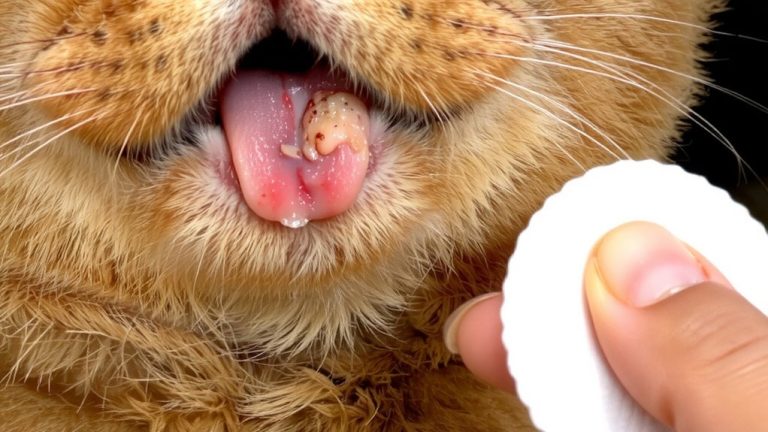
If your brachycephalic dog sounds like it’s snoring while awake, that noisy breathing-often a low-pitched stertor or high-pitched stridor-is likely due to airway obstruction from an elongated soft palate or laryngeal collapse, common signs of Brachycephalic Obstructive Airway Syndrome (BOAS). You’ll notice chronic snoring during sleep, caused by upper airway disease like a thickened soft palate or nasal blockages. Episodes of reverse sneezing-brief, forceful inhalations triggered by excitement or eating-are also linked to soft palate irritation. As brachycephalic respiratory syndrome progresses, respiratory distress increases, especially in heat or humidity. Severe airway obstruction can lead to collapse from hypoxia, often after exertion. Watch for cyanosis-bluish gums or tongue-a critical sign of oxygen deprivation requiring immediate vet care. These aren’t quirks; they’re symptoms of a serious condition needing diagnosis and management to improve your dog’s breathing, comfort, and safety.
How BOAS Affects Sleep, Exercise, and Heat Tolerance
Because their airways are naturally narrow and easily obstructed, dogs with Brachycephalic Obstructive Airway Syndrome (BOAS) often struggle with sleep, exercise, and heat regulation-three areas that directly impact daily life and long-term health. You’ll likely notice your dog has sleep-disordered breathing, including obstructive sleep apnea, caused by an elongated soft palate or stenotic nares, leading to snoring and frequent nighttime awakenings. Exercise intolerance is common-your dog may gag or collapse after short walks due to poor oxygen flow. Heat intolerance occurs because laryngeal collapse and narrowed airways reduce panting efficiency, making it hard to cool down, especially above 21°C (70°F). These signs are hallmarks of brachycephalic syndrome. Addressing BOAS early helps improve comfort, prevent worsening symptoms like laryngeal collapse, and support a healthier, more active life.
Diagnosing BOAS: From Physical Exam to WBBP Testing
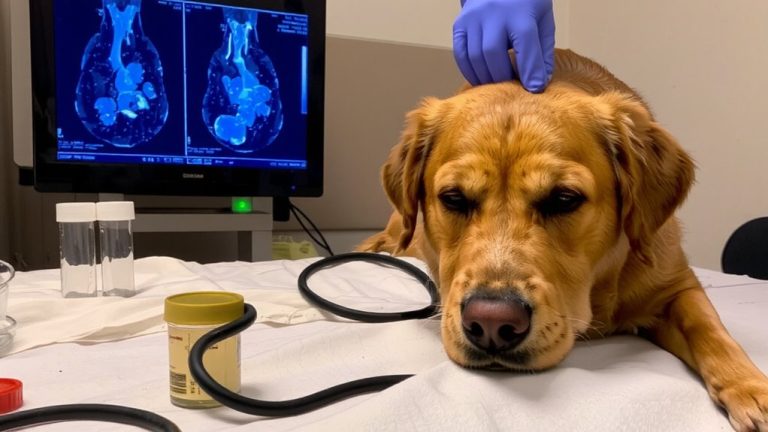
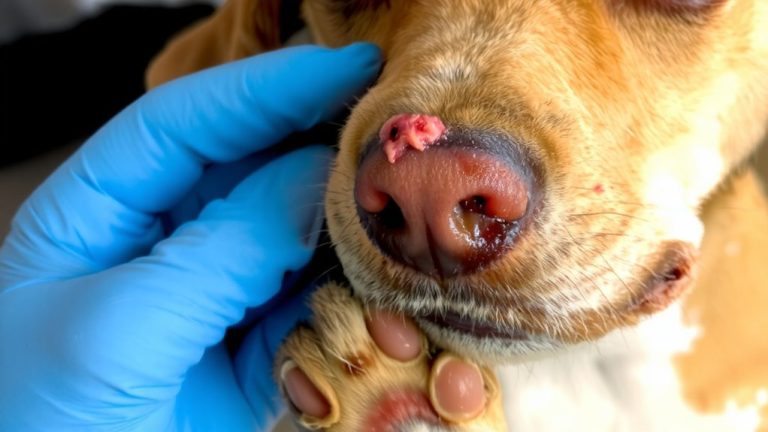
How do vets pinpoint the exact issues behind your brachycephalic dog’s breathing struggles? They start with a physical examination, where stenotic nares are often visibly narrowed. Breed predisposition supports suspicion, but internal issues like an elongated soft palate or everted laryngeal saccules need sedation or anesthesia for accurate assessment. Your vet may then recommend WBBP testing-a non-invasive 20–30 minute procedure that measures breathing patterns and calculates a BOAS Index (0–100%) to objectively grade severity. Thoracic and head/neck imaging, including radiographs or CT scans, reveal structural problems like a hypoplastic trachea or nasopharyngeal turbinates. These findings guide next steps. A 3-minute exercise tolerance test also helps classify BOAS clinically, with Grade II or III signaling clear need for intervention.
Treating BOAS: Weight Management and Surgical Options
Once your vet confirms BOAS through physical exams, imaging, or WBBP testing, the focus shifts to managing and correcting the specific issues affecting your dog’s breathing. Weight management is essential-overweight dogs face worse breathing difficulty, and even modest weight loss can improve airflow and reduce strain. For structural issues, surgical correction offers lasting relief. Stenotic nares are widened through resection, boosting airflow from the start of the airway. If your dog has an elongated soft palate, a staphylectomy trims it down to ease obstruction. Everted laryngeal saccules, which worsen brachycephalic syndrome, are removed during the same airway surgery. Combining these procedures early, ideally before age two, prevents progression to laryngeal collapse. Most dogs breathe better immediately post-op, with reduced noise, improved exercise tolerance, and better sleep.
On a final note
You can manage your dog’s brachycephalic syndrome by keeping them at a healthy weight, using a harness (not a collar), and avoiding heat. Cool, short walks and plenty of rest help, as do elevated food bowls to ease breathing during meals. If symptoms like snoring, gagging, or collapse persist, consult your vet about surgical options-many dogs improve markedly after corrective procedures, breathing easier within days.