Best Way to Soften Dog Food
Mix warm water with your dog’s dry kibble using a 1:1 ratio, letting it soak for 5–10 minutes to soften without damaging nutrients. Stir occasionally for even absorption. The warm water boosts aroma, making meals more appealing, especially for seniors or picky eaters. Add safe mix-ins like plain pumpkin or low-sodium broth after soaking. Serve immediately or refrigerate in an airtight container-use within 1–2 days. You’ll find even puppies and dogs with dental issues eat more comfortably with this simple upgrade.
We are supported by our audience. When you purchase through links on our site, we may earn an affiliate commission, at no extra cost for you. Learn more. Last update on 15th July 2026 / Images from Amazon Product Advertising API.
Notable Insights
- Use warm water in a 1:1 ratio with dry kibble to soften it effectively without damaging nutrients.
- Soak the kibble for 5–10 minutes and stir occasionally for even moisture absorption.
- Add nutritious mix-ins like low-sodium broth or plain canned pumpkin after softening to boost flavor and digestion.
- Serve immediately or refrigerate softened food within 2 hours to ensure freshness and prevent bacterial growth.
- Softened food benefits senior dogs, puppies, and pets with dental or digestive issues by improving chewability and aroma.
Soften Dog Food With Warm Water
You can soften your dog’s kibble quickly and effectively by adding warm water-just use a 1:1 ratio of water to dry food, making sure the water isn’t hot to avoid damaging nutrients or warping the bowl. This simple method helps soften dog food in minutes, giving dry kibble a softer texture that’s easier to chew, especially for seniors or small breeds. To soak kibble properly, let it sit for 5–10 minutes, stirring occasionally for even absorption. Warm water not only makes kibble more palatable but also enhances aroma, appealing to picky eaters. It’s an easy way to soften your dog’s food while boosting hydration. Whether you’re preparing soft dog food for medical reasons or just prefer a gentler meal, using warm water to make kibble more manageable is smart, safe, and effective.
Add Safe, Nutritious Mix-Ins to Softened Kibble
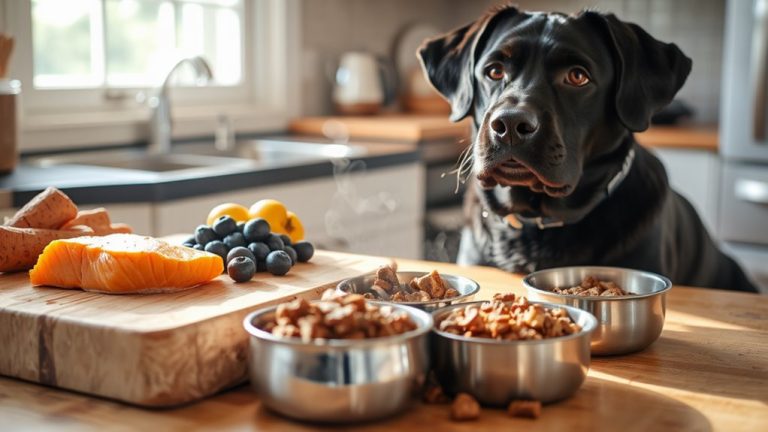
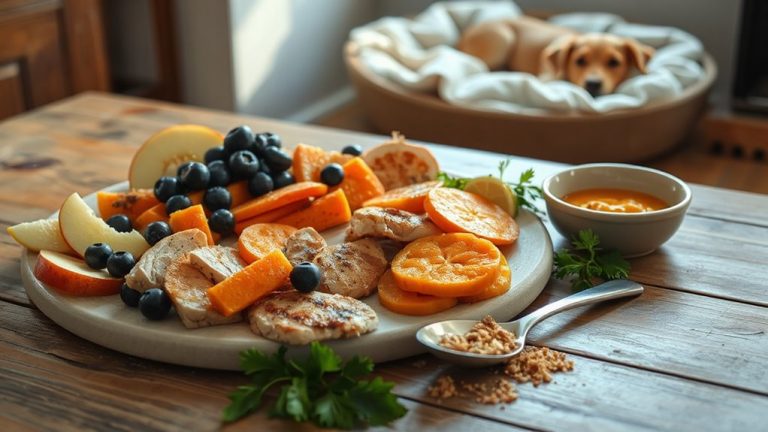
A boost in flavor and nutrition is just a stir away when you add safe, wholesome mix-ins to softened kibble. When softening dog food, you’re not just making it easier to chew-you’re creating a chance to boost its nutritional value. Try blending in plain canned pumpkin or a spoonful of plain yogurt to support digestion, especially for senior dogs. Cooked eggs add protein, while low-sodium broth enhances taste and hydration-perfect for turning kibble with wet dog into a satisfying meal. Just don’t add too much, as it can spike calorie intake. Mixing wet and dry isn’t just appealing-it’s practical. Always stir in mix-ins after you soften dry dog food to preserve texture.
| Mix-In | Benefit |
|---|---|
| Low-sodium broth | Adds moisture, encourages hydration |
| Plain pumpkin | Boosts fiber, aids digestion |
| Cooked eggs | High-quality protein, supports muscle |
| Yogurt (no sugar) | Probiotics for gut health |
When Your Dog Needs Softened Food
Softening kibble isn’t just about making meals easier to chew-it’s about meeting your dog’s changing needs as they age or face health challenges. If your dog is a senior dog, typically over 7, especially if they’re a larger breed, they may develop dental issues that make chewing dry food painful. You’ll want to soften kibble for pups with tooth decay, gum disease, or missing teeth. Puppies under 7 months and dogs with digestive sensitivities also benefit from softened food. Adding warm water or broth turns kibble into a moist, palatable meal that helps picky eaters and boosts aroma for dogs with reduced smell. This easy step cuts dehydration risks in senior dogs, toy breeds, and young pups. While wet food works too, softening dry food offers a balanced, cost-effective option many vets recommend.
Store Softened Food Safely
Once you’ve softened your dog’s kibble, storing it properly is essential to keep it safe and nutritious. Moistened Pet Food can quickly become a breeding ground for bacteria like Salmonella or E. coli, which can cause diarrhea and harm your dog’s overall health. Always make sure to store the wet mixture in an airtight container and refrigerate immediately. Use it within 1–2 days and discard any food left out more than 30–60 minutes during meals. Even a small amount of spoiled food can impact dogs, especially seniors or those with sensitive stomachs. Label the container with the date and time to track freshness.
| Storage Step | Detail | Why It Matters |
|---|---|---|
| Use airtight | Prevents bacterial growth | Keeps wet food safe |
| Refrigerate | Within 2 hours of prep | Slows spoilage |
| Discard leftovers | After 1–2 days max | Protects dry food and health |
Why Softening Helps Dogs Eat Better
While your dog might scarf down dry kibble without complaint, switching to softened food can make mealtime more comfortable and nutritious, especially if they’re getting up in years or dealing with dental pain. Adding warm water enhances the aroma and adds extra flavor, which is especially true for older dogs with duller senses. It’s a good idea to gradually introduce softened food to find the perfect texture and let your dog adjust. This is important to note if they have a sensitive stomach. Moisture helps prevent dehydration and supports overall health and happiness, particularly in puppies, seniors, or toy breeds. Soaked kibble promotes slower eating and better digestion, which also supports a healthy immune system. Be sure to gradually increase moisture levels and monitor your dog’s response to guarantee the best results.
On a final note
You’ve got this: mixing kibble with ¼ to ½ cup warm water per cup of food softens it in 5–10 minutes, making meals easier to chew and digest. Add safe mix-ins like plain pumpkin or low-sodium broth for extra flavor and nutrients. Use softened food right away or refrigerate up to 24 hours. It’s a simple, proven way to support dental issues, senior dogs, or post-surgery recovery-testers saw improved appetite and cleaner bowls.