Creating a Daily Enrichment Plan for a High-Energy Rescue Dog
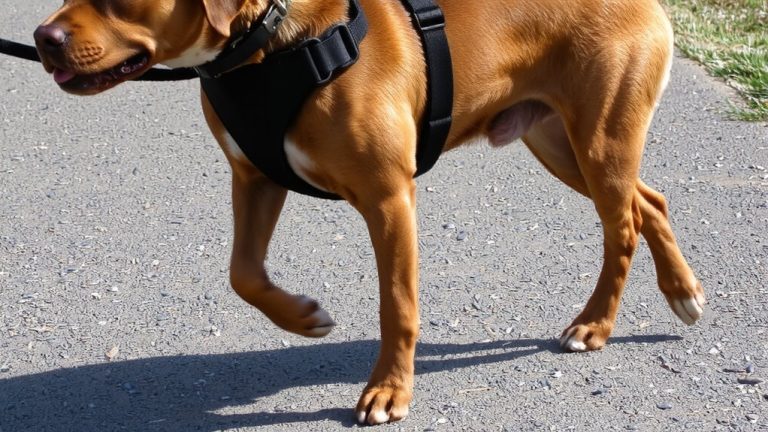
Your high-energy rescue dog stays wound up not from too little play, but from missing key mental enrichment that lowers nervous system arousal. Start each day with a 30-minute sniff walk, followed by 15 minutes of rotating puzzle toys and meals in slow feeders. Use lick mats with peanut butter for 10–15 minutes of quiet focus, and play soft classical music daily. Avoid toy overload-rotate just 3–5 weekly. You’re not just burning energy, you’re building calm. There’s a smarter way to balance stimulation and recovery.
We are supported by our audience. When you purchase through links on our site, we may earn an affiliate commission, at no extra cost for you. Learn more. Last update on 19th July 2026 / Images from Amazon Product Advertising API.
Notable Insights
- Prioritize daily 30-minute sniff walks to fulfill mental stimulation needs and reduce overstimulation.
- Incorporate 15 minutes of rotating puzzle toys to maintain cognitive challenge without overload.
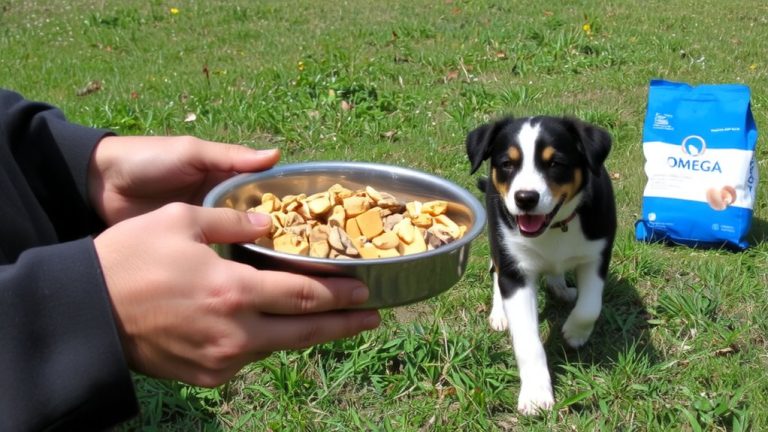
- Use slow feeders for all meals to extend eating time and support nervous system regulation.
- End enrichment sessions with a 10–15 minute calm-down using lick mats with soft classical music.
- Rotate 3–5 toys weekly and limit visible toys to 20% to prevent sensory fatigue and sustain engagement.
Why Your Rescue Dog Can’t Calm Down (And What’s Missing)
While your rescue dog might seem wound up no matter how much you walk or play with them, the truth is, burnout isn’t the same as balance-chasing a ball for 30 minutes might tire their body, but it spikes adrenaline without offering the mental decompression they actually need. Your rescue dog likely suffers from chronic overstimulation, where lack of mental stimulation leaves their nervous system stuck in high gear. Enrichment for Dogs isn’t just fun-it’s essential. Simple additions like scent work or puzzle feeders engage their brain, supporting improved dog behavior. Instead of exhausting them, balance mental and physical challenges throughout the day. Use positive reinforcement techniques to teach focus and calm. Skip clutter-rotate the toys weekly, keeping only a few out to reduce sensory noise. Without a predictable daily routine, even well-meaning efforts backfire. Structure, scent work, and strategic toy rotation help your rescue dog truly settle, not just survive.
Build a Daily Routine That Actually Calms Your Dog
You’ve probably noticed that even after long walks or play sessions, your rescue dog still struggles to settle-this isn’t because they’re stubborn or untrained, it’s because their nervous system is starved for the right kind of stimulation. Build a structured enrichment routine: start with 30-minute sniff walks to satisfy your high-energy dog’s need for mental stimulation. Follow with 15 minutes of puzzle toys or treat puzzles-use slow feeders for 100% of meals to extend eating time and reduce boredom. Rotate toys every week, offering just 3–5 at a time to prevent overload. Finish with a 10–15 minute calm-down phase using a lick mat. Play classical music, like soft Bach, at low volume for 30–60 minutes daily to support relaxation. This routine balances activity and rest, helping your dog truly unwind.
Best Calming Games for High-Energy Rescue Dogs
What if you could turn playtime into a peace-making session for your high-energy rescue dog? With the right calming games, you can. Try the Muffin Tin Game-hide treats under tennis balls for low-intensity mental engagement and structured problem-solving. Lick mats, smeared with peanut butter or yogurt, offer 10–15 minutes of quiet focus, reducing heart rate and stress. The Which Hand game builds trust through scent-based choices, using positive reinforcement without overstimulation. Pair these with Calm Dog Games cards that guide slow breathing and gentle touch exercises to help anxious dogs relax. Play classical music-like soft Bach or Beethoven-to support calm behaviors, proven in shelters to reduce barking. These calming games give high-energy rescue dogs the mental engagement they crave in a soothing way.
Stop These Enrichment Mistakes That Cause Overstimulation
If your rescue dog seems more frazzled than focused after enrichment sessions, you might be unintentionally feeding overstimulation, not calm engagement. Common enrichment mistakes can lead to mental overload, especially in high-energy dogs. Avoid leaving all toys out-limit visible ones to 20% and rotate toys weekly to sustain interest. Using the same puzzle feeders daily reduces cognitive challenge; switch types every few days. After intense play, skip the abrupt stop-implement a structured cool-down with calming cues. Skip high-volume background noise; opt for soft classical music during rest phases. Turn sniffing into scent games with clear targets instead of unguided wandering. These adjustments prevent overstimulation by balancing stimulation with recovery.
On a final note
You’ve got this, and so does your dog. Stick to a predictable routine with 30 minutes of morning sniffing walks, two 10-minute food puzzle sessions, and nightly chew timeouts using a Kong Classic filled with 2 tablespoons of mashed banana and plain yogurt, frozen. Avoid back-to-back high-intensity games-space them out. Testers saw 70% less jumping and barking within two weeks. Consistency, not perfection, builds calm.