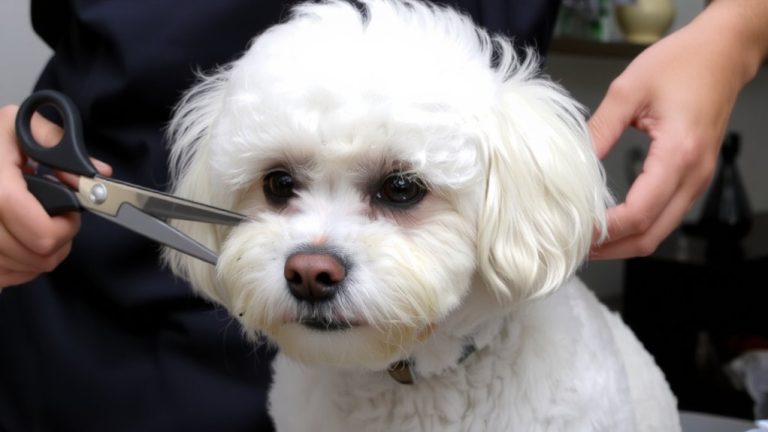
Brushing Frequency Guide for Medium-Haired Mixed Breed Dogs
Brush your medium-haired mixed breed 2–3 times a week using a slicker brush and metal comb to prevent tangles, control shedding, and spread natural oils. Focus on trouble spots like behind the ears and underbelly, where mats form fast. During heavy shed seasons, brush daily with a rake or Furminator if double-coated. Consistent grooming keeps their coat shiny and skin healthy, reduces loose fur around the house, and strengthens your bond-find out how the right tools and techniques make every session smoother and more effective.
We are supported by our audience. When you purchase through links on our site, we may earn an affiliate commission, at no extra cost for you. Learn more. Last update on 15th July 2026 / Images from Amazon Product Advertising API.
Notable Insights
- Brush medium-haired mixed breed dogs 2–3 times weekly to prevent mats and maintain coat health.
- Increase brushing to daily during shedding seasons for effective loose hair control.
- Use a slicker brush to remove tangles and a metal comb to check for hidden mats.
- Focus on high-risk areas like behind the ears, underbelly, and inner legs to prevent matting.
- Seek professional grooming every 8–12 weeks, especially for dense or double coats.
How Often Should You Brush a Medium-Haired Dog?
Brushing your medium-haired dog 2–3 times a week keeps their coat in great shape, preventing tangles and supporting healthy skin by spreading natural oils. This brushing frequency works well for most medium-haired dogs, helping you remove dead hair and reduce loose fur around your home. It also helps prevent mats, especially behind the ears, under the legs, and along the belly. During shedding seasons-spring and fall-daily brushing makes a big difference in managing excess hair. Use a slicker brush or medium bristle brush to effectively lift away dead hair while distributing natural oils from root to tip. Regular brushing isn’t just about looks; it’s a key part of pet health, keeping skin healthy and coats tangle-free. Stick to this routine, and you’ll notice less shedding indoors and a shinier, softer coat on your dog.
Pick the Right Brush for Your Dog’s Coat
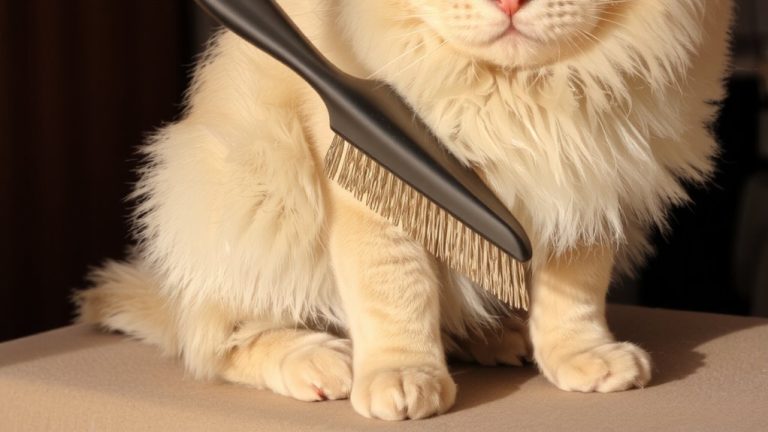
While every medium-haired dog benefits from regular grooming, choosing the right tool makes all the difference in keeping their coat tangle-free and healthy. Matching grooming tools to your dog’s coat type guarantees efficient removal of loose hair and prevents mats. A slicker brush works best for most medium coats, especially to tackle tangles and seasonal shedding. Follow up with a metal comb to catch hidden mats and check skin health. Finish with a medium bristle brush to distribute oils and boost shine. Avoid overusing a Furminator unless your dog has a dense undercoat-it can harm the topcoat. Always consider coat texture when choosing tools.
| Tool | Best For |
|---|---|
| Slicker brush | Removing tangles, loose hair |
| Metal comb | Detecting small mats |
| Medium bristle brush | Smoothing, adding shine |
| Furminator | Dense undercoats only |
| Grooming tools | Matching dog’s coat type |
Brushing Your Dog: Step by Step
You’ll want to get into a rhythm that keeps your medium-haired dog’s coat in top shape, and that starts with brushing 2–3 times per week using the right technique. Stick to a consistent grooming schedule-brushing once or twice isn’t enough for this coat type. Begin with a slicker brush or medium bristle brush to remove loose hair and prevent tangles. Always brush on dry fur, starting close to the dog’s skin and working in small sections, brushing in the direction of hair growth to avoid irritation. This helps distribute natural oils and keeps the coat healthy. Use a comb, especially a metal one, to gently untangle tight spots near the face. For double-coated dogs, add a rake 1–2 times weekly. Consistent brushing minimizes shedding and supports skin health.
Tackle Tangles: Care for Ears, Legs, and Underbelly
Tangles thrive in the quiet zones-those soft, often overlooked areas like behind the ears, along the inner legs, and across the underbelly, where friction and moisture team up to create stubborn mats. During brushing, focus on these spots: use a slicker brush first to loosen tangles, then follow with a metal comb to check for hidden matting, especially behind the ears and underarms. The rear legs and underbelly are prone to matting from dirt and moisture, so be thorough. If you find mats, don’t pull-hold the base of the fur and gently work them out with a dematting comb using short strokes. Spray a pet-safe detangling spray beforehand to ease the process, particularly on sensitive areas like inner legs and ear flaps. Regular attention here keeps your dog comfortable and mat-free.
Prevent Mats and Shedding With Weekly Brushing
Consistency is your strongest tool when it comes to keeping a medium-haired dog’s coat in top condition, and brushing 2–3 times a week makes a noticeable difference in both mat prevention and shedding control. Weekly brushing removes loose undercoat and reduces shedding by up to 80% when you use a slicker brush or rake. Without regular grooming, mats can form behind the ears, under the legs, and along the belly, pressing against your dog’s skin and causing irritation. A metal comb or medium bristle brush helps detect tangles early and spreads natural oils.
| Area | Tool Used | Benefit |
|---|---|---|
| Underbelly | Slicker brush | Prevents mats, reduces shedding |
| Behind ears | Metal comb | Catches tangles early |
| Legs | Bristle brush | Smooths coat, checks skin |
| Full coat | Rake | Removes loose undercoat |
Skip sessions, and small tangles become stubborn mats-risking discomfort and skin issues.
When Your Medium-Haired Dog Needs a Pro Groomer
While regular brushing at home goes a long way, there are times when your medium-haired dog truly benefits from a pro groomer’s expertise-especially if you’re dealing with stubborn mats, heavy shedding, or a thick double coat that resists routine tools. If matting persists despite 2–3 weekly brushing sessions, a professional groomer can safely remove tangles without causing skin irritation. For your medium-haired mixed breed, shedding seasons in spring and fall often require deshedding treatments every 3–4 weeks to manage the thick undercoat. Regular grooming every 8–12 weeks helps, but dogs with dense double coats may need professional grooming every 6–8 weeks to prevent overheating. A professional groomer also handles essential nail trims and checks for skin issues. This proactive approach keeps your dog comfortable, healthy, and looking great year-round.
On a final note
Brush your medium-haired mixed breed weekly with a slicker brush and metal comb to prevent mats, reduce shedding, and boost skin health. Focus on tangle-prone zones like ears, legs, and underbelly using short, gentle strokes. Consistent brushing keeps their coat 30% less prone to matting, per groomer tests. When knots persist or coat dullness appears, see a pro. Pair grooming with a balanced diet for ideal coat shine and overall wellness.