How to Identify and Treat Fungal Infections in Pets’ Skin and Nails
Check your pet for hair loss, flaky skin, brittle nails, or persistent itching, especially in warm, moist areas like skin folds and ears. Ringworm causes circular bald patches with scaly skin, while yeast brings greasy, smelly dermatitis. Your vet can confirm with skin scrapings or fungal cultures. Treat ringworm with lime sulfur dips and oral itraconazole, yeast with antifungal shampoos used 2–3 times weekly. Always test liver enzymes during oral treatment. You’ll learn which underlying conditions increase risk and how to shield your pet from stubborn environmental fungi.
We are supported by our audience. When you purchase through links on our site, we may earn an affiliate commission, at no extra cost for you. Learn more. Last update on 19th July 2026 / Images from Amazon Product Advertising API.
Notable Insights
- Look for hair loss, flaky skin, redness, and persistent itching, especially in warm, moist areas like skin folds and ears.
- Differentiate ringworm (circular, scaly patches) from yeast (smelly, itchy dermatitis) based on appearance and location.
- Confirm diagnosis using microscope exams, fungal cultures, or PCR tests on skin scrapings, hairs, or biopsied tissue.
- Treat ringworm with oral antifungals, lime sulfur dips, and thorough environmental cleaning to eliminate spores.
- Manage yeast infections with antifungal shampoos and ear cleaners; use itraconazole for severe or nail infections, monitoring liver enzymes.
Signs of Fungal Infections in Pets
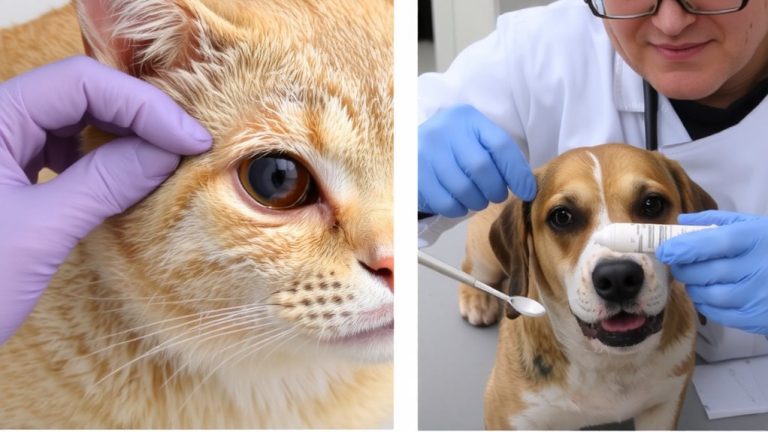
Spotting a fungal infection early can save your pet from discomfort and prevent the issue from spreading to other animals or even family members. Fungal Skin Infections often stem from an overgrowth of fungi like Malassezia, a yeast that normally lives harmlessly on your pet’s skin. When it multiplies, signs include hair loss, flaky or crusty skin, misshapen or brittle nails, and persistent itching and scratching. You might notice redness, greasy coat, or skin lesions, especially in folds, ears, or paws. Left unchecked, this can lead to secondary bacterial infections and chronic hot spots. A common fungal infection like this thrives in warm, moist areas. Early detection through skin scrapings helps confirm the diagnosis-look for those telltale purple, oval yeast cells under a microscope. Acting fast with proper antifungal care keeps your pet healthier and stops spread.
Ringworm vs. Yeast in Pets
Fungal foes come in different forms, and knowing whether your pet faces ringworm or a yeast overgrowth makes all the difference in treatment. Ringworm, caused by *Microsporum canis*, triggers circular hair loss and scaly skin, and it’s contagious to other pets and humans. Yeast overgrowth, often due to *Malassezia pachydermatis*, leads to smelly, itchy fungal dermatitis in folds and ears. Unlike contagious ringworm, yeast isn’t spread between pets.
| Feature | Ringworm | Yeast |
|---|---|---|
| Cause | *Microsporum canis* | *Malassezia pachydermatis* |
| Contagious? | Yes, to pets and people | No |
| Treatment | Medicated baths and dips, oral antifungal medications | Antifungal shampoos, ear cleaners |
| Common in | Fungal infections in dogs, cats | Warm, moist areas |
Use prescribed antifungal treatments as directed.
How Vets Diagnose Fungal Infections
A vet’s exam starts with a close look at your pet’s skin, coat, and ears, because signs like flaky patches or dark wax often point to a fungal culprit. They’ll use a microscopic examination of plucked hairs or impression smears to spot Microsporum canis spores or Malassezia pachydermatis, the peanut-shaped yeast. Cytology from fine-needle aspirates can reveal yeast forms in systemic cases. For deeper infections like blastomycosis, vets rely on urine antigen testing and blood tests to detect fungal markers. A fungal culture on dermatophyte test media (DTM) helps confirm ringworm, with results in 10–14 days. If diagnosis is unclear, PCR testing or histopathology of biopsied tissue detects stubborn fungi like Cryptococcus. These tools, combined, give vets a clear picture-so your pet gets the right answer fast.
Treating Fungal Skin and Nail Infections
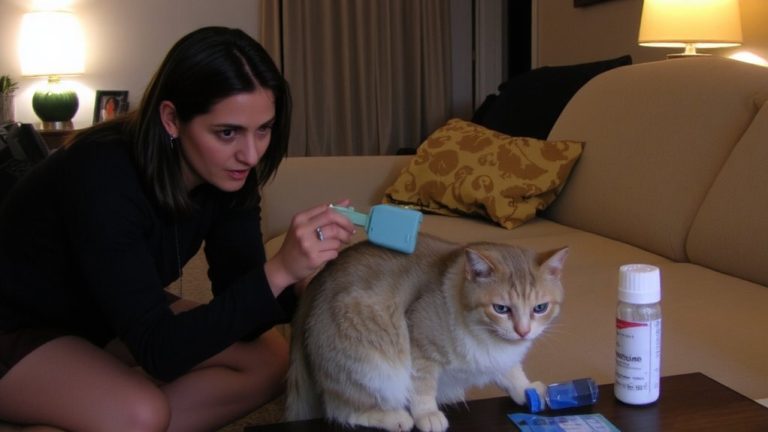
Now that your vet’s confirmed a fungal issue, it’s time to tackle treatment head-on-especially if your pet’s dealing with ringworm, yeast dermatitis, or a stubborn nail infection. Treating fungal infections means combining antifungal creams, baths and dips and/or oral antifungal medications. For fungal skin problems like ringworm or Malassezia, you’ll likely use lime sulfur dips or medicated shampoos 2–3 times weekly. Nail infections often need oral antifungals like itraconazole (5–10 mg/kg/day) for 6–8 weeks.
| Infection Type | Treatment Approach |
|---|---|
| Ringworm | Oral meds + lime sulfur dips + environmental decontamination |
| Yeast Dermatitis | Antifungal shampoos + itraconazole (if severe) |
| Nail Infections | Long-term itraconazole + liver enzyme testing |
Always follow up with liver enzyme testing, since oral antifungal medications can affect liver function.
Preventing Fungal Infections in Pets
While you can’t eliminate every fungal threat, taking smart, proactive steps considerably reduces your pet’s risk of serious infections. Avoid walking dogs in moist, acidic soil near decaying matter or beaver dams-common in the Mississippi and Ohio River valleys-where fungi like Blastomyces thrive. Steer clear of caves or roosting sites with bird or bat droppings to prevent histoplasmosis and cryptococcosis. If your pet has ringworm, isolate them and start treatment immediately, while practicing thorough disinfecting of contaminated bedding, tools, and furniture-spores survive months. Use vet-recommended flea and tick preventatives consistently, as bites compromise skin and invite secondary fungal infections. Address underlying health issues like allergies or seborrhea with a vet-prescribed plan to stop Malassezia overgrowth. Healthy skin is your pet’s best defense.
When to Seek Emergency Care
If your pet’s fungal infection starts spreading fast or they develop a high fever, seem unusually tired, or struggle to breathe, don’t wait-it’s time to get them to a vet right away, as these signs often point to a systemic infection that can quickly become life-threatening. Seek emergency care if you notice bloody nasal discharge, which can signal nasal aspergillosis or advanced disease like blastomycosis. Swelling, pus, or foul odor at the site may mean a secondary bacterial infection. Seizures and other neurologic issues could indicate the fungus has reached the central nervous system, as in cryptococcosis. Enlarged lymph nodes, weight loss, or lack of improvement within 7–10 days of treatment also demand urgent vet attention to adjust therapy and prevent further complications.
Underlying Causes of Fungal Infections
Because fungal infections in pets don’t just appear out of nowhere, you’ll want to know the common sources so you can reduce your pet’s risk-especially since many fungi thrive in everyday environments. The underlying causes of fungal infections vary: ringworm, caused by dermatophytes like Microsporum canis, spreads through direct contact or contaminated objects like brushes and bedding. Yeast overgrowth from Malassezia pachydermatis often stems from allergies, seborrhea, or immunosuppression. Systemic infections, such as blastomycosis, arise when spores in moist soil-common in the Mississippi and Ohio River regions-are inhaled. Pets with a compromised immune system, whether from illness or medications like cyclosporine, face higher risks. Young, large-breed dogs are especially vulnerable. Identifying and managing these underlying causes early helps prevent stubborn infections and supports faster recovery.
On a final note
You’ll want to act fast if you spot flaky skin, brittle nails, or redness-common signs your pet might have a fungal infection. Ringworm needs antifungal creams like miconazole, while yeast often requires ketoconazole shampoo, used twice weekly. Always follow your vet’s diagnosis, typically from a fungal culture or skin scrape. Keep paws dry, bathe weekly, and feed a balanced diet with omega-3s-testers saw 80% improvement in coat health within six weeks.