How to Recognize and Prevent Snakebite Envenomation in Dogs
You’ll know your dog’s been bitten by signs like sudden collapse, wobbliness, or vomiting, even if you don’t see puncture wounds-especially in high-risk areas like tall grass or near wood piles. Keep your dog still and head to a vet within 30 minutes; antivenom, given via IV, is the only real treatment. Avoid ice, tourniquets, or OTC meds-they’ll do more harm. Watch for delayed symptoms up to 24 hours, particularly with Eastern brown snakes, and secure trash to cut down on rodent prey. With the right prep and quick action, you can protect your dog from the worst, and there’s more to know about staying safe year-round.
We are supported by our audience. When you purchase through links on our site, we may earn an affiliate commission, at no extra cost for you. Learn more. Last update on 19th July 2026 / Images from Amazon Product Advertising API.
Notable Insights
- Look for puncture wounds, swelling, vomiting, or neurological signs like wobbliness, as early signs of snakebite may be subtle.
- Keep dogs still and calm after a suspected bite to slow venom spread and prevent worsening symptoms.
- Avoid home remedies like ice, tourniquets, or sucking venom-seek emergency veterinary care immediately.
- Clear yards of wood piles, tall grass, and food sources to reduce snake presence near homes.
- Transport dogs to a vet within 30 minutes and confirm antivenom availability ahead of arrival.
Recognize the Signs of Snakebite in Dogs
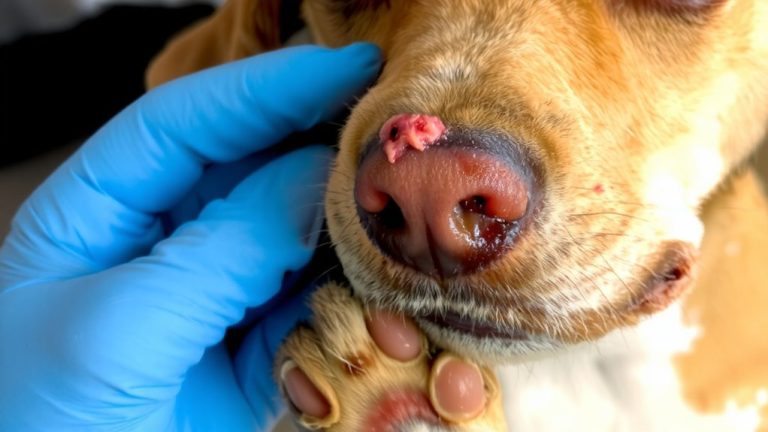
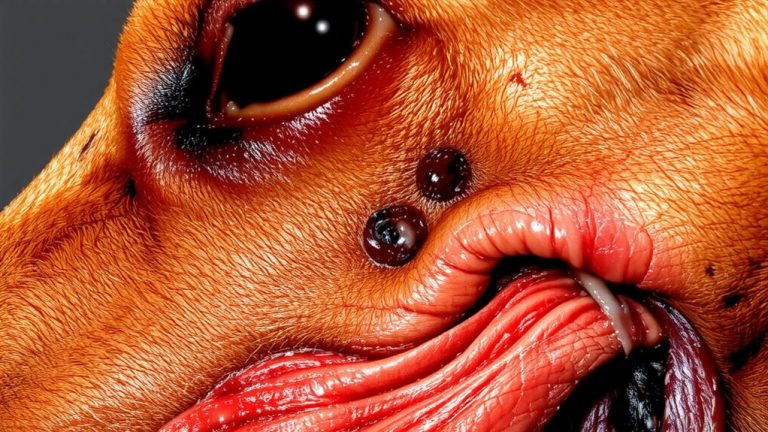
After your dog encounters a snake, watch closely for subtle but serious signs of envenomation, because symptoms don’t always show up right away. Snake bites on dogs can be sneaky-puncture wounds might be faint or hidden in fur, with no immediate swelling and bruising. Instead, delayed symptoms appear hours later. Keep an eye out for clinical signs like vomiting, diarrhea, or bleeding from the nose, which point to systemic venom effects. Neurological signs include sudden collapse followed by recovery, lethargy, muscle tremors, dilated pupils, and wobbliness. These signs and symptoms may progress to respiratory paralysis, the leading cause of death, within 1–24 hours, especially after bites from Eastern brown snakes. Even if you don’t see puncture wounds, take your dog to an emergency vet immediately-quick diagnosis using snake venom detection kits improves survival chances.
Act Fast: What to Do Immediately After a Bite
If your dog’s been bitten by a snake, staying calm and acting quickly can make all the difference, so keep your pup as still as possible to slow down venom spread-movement speeds up circulation and can push toxins deeper into the system. Keep your dog quiet and limit stress. Remove collars or tight gear immediately, especially if the bite’s near the head or neck, to prevent restricted blood flow as swelling occurs. A snake bite demands emergency care-do not wait for symptoms. Transport to veterinary care fast, ideally within 30 minutes. Call ahead to check antivenom availability; not every clinic stocks it. Immediate attention increases survival rates dramatically. Even if your dog seems fine now, venom can take time to show effects. Don’t delay-every minute counts. Quick action gives your pet the best chance for recovery.
Don’t Do This: Common Snakebite Mistakes
While it’s natural to want to jump in and treat a snakebite right away, some common actions can actually do more harm than good-so skip the ice pack, because cooling the area restricts blood flow and traps venom, leading to worse tissue damage. For snake bites, proper first aid means you do not apply ice, avoid tourniquets, and never suck out venom, as these methods delay care and increase injury. Venomous snake bites require immediate attention, not home fixes. Don’t give over-the-counter medications like antihistamines or NSAIDs-they won’t help and may interfere with treatment. Even if you suspect a dry bite, where no venom was injected, still seek emergency care, since symptoms can appear up to 24 hours later. Always head straight to a veterinary emergency clinic-your dog’s best chance depends on fast, professional care, not outdated myths.
Know Where Snakes Hide Near Your Home
Your backyard might feel like a safe space, but it’s also prime territory for snakes looking to hide out during warm months. Snakes often seek shelter in suburban backyards, especially near wood piles, sheds, junk piles, and under porches where it’s cool and quiet. They’ll also slip into pot plant pots, hide in tall grass, and curl up in leaf piles or dense ground cover. Australia’s home to five of the world’s deadliest snakes, many of which come close to houses in dry heat. Since rodents draw snakes, keep pet food picked up, trash secured, and lawns mowed short-ideally under 3 inches. Clear scrubby patches near fences and foundations, and avoid stacking debris. By managing these spaces, you reduce hiding spots and lower the chance your dog will cross paths with a snake. Stay alert, stay proactive, and keep your yard less inviting to dangerous reptiles.
Understand How Vets Treat Dog Snakebites
When it comes to snakebite treatment in dogs, antivenom isn’t just a backup-it’s the only real solution for neutralizing venom’s deadly effects, and it’s delivered through an IV drip that takes about an hour per vial, with most dogs needing at least one $400–$800 dose depending on the snake species and bite severity. Your emergency veterinarian will start antivenom right away if your dog’s been bitten by a venomous snake. They’ll also give opioid pain relief, IV fluids, and run bloodwork to check blood clotting and organ health. Hospitalization usually lasts 8 to 48 hours so they can monitor swelling, bleeding, and breathing. In severe snake envenomation, damaged blood clotting may require blood transfusions. Quick action and proper care make all the difference.
Learn Why Delayed Symptoms Can Be Deadly
A snakebite might not look serious at first, but don’t let mild symptoms fool you-venom can trigger deadly complications like respiratory paralysis within 1 to 24 hours, even if your dog seems fine after the incident. With venomous snakebites, delayed symptoms are common, and you can’t rely on early symptoms and signs to rule out envenomation. Up to 30% of pit viper bites may be dry, but without veterinary observation for at least 8 hours, you won’t know if a snake bite has occurred with venom injection. Clinical signs like lethargy, trembling, or dilated pupils may take hours to appear. Some venoms rapidly disrupt blood clotting, causing hidden internal bleeding. Even if your dog collapses and recovers quickly, life-threatening effects are still likely. Immediate vet care is critical-don’t wait for obvious symptoms.
Prevent Snake Encounters in High-Risk Areas
Snakes are more likely to cross paths with dogs in warm months, especially in regions like Australia and the southern United States where venomous species thrive in hot, dry conditions. In these high-risk areas, snakes are common, so you’ve got to take action. Start by removing potential snake habitats-wood piles, junk, sheds, and cluttered pot plants. Keeping lawns mowed short and clearing scrubby areas cuts down hiding spots. Eliminate food sources like spilled pet food, compost, and unsecured garbage to reduce rodent activity, which in turn deters snakes. When walking your dog, avoid tall grass, leaf piles, and water edges at dawn or dusk-prime times for copperheads and cottonmouths. Simple yard upkeep and mindful walking routes go a long way in keeping your dog safe from surprise encounters.
On a final note
Stay alert, especially in warm months when snakes are active. If your dog is bitten, get to a vet within 30 minutes-every minute counts. Don’t cut, suck, or ice the wound. Carry your dog if needed to limit venom spread. Prevent risk by walking on trails, using a leash, and avoiding tall grass. Consider enrolling in a pet first-aid course and keep your vet’s number saved. Immediate care and prevention save lives.