How to Identify and Treat Aural Hematomas in Dogs
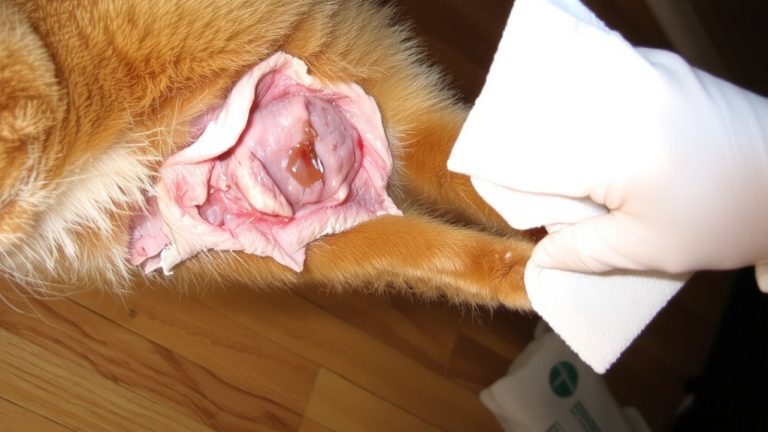
You might notice your dog’s ear flap suddenly puffy and warm, like a fluid-filled balloon, often after vigorous head shaking. That’s likely an aural hematoma-blood trapped between skin and cartilage. While needle drainage offers a quick fix, it fails up to 80% of the time. Surgery, the gold standard, uses quilting sutures to close the pocket, healing in 10–14 days with less than 10% recurrence. Always treat underlying causes like infections or mites to prevent relapse, and know that skipping treatment risks permanent cauliflower ear-there’s more to managing this than just drainage.
We are supported by our audience. When you purchase through links on our site, we may earn an affiliate commission, at no extra cost for you. Learn more. Last update on 19th July 2026 / Images from Amazon Product Advertising API.
Notable Insights
- Aural hematomas appear as puffy, fluid-filled swellings on the ear flap, often warm and painful to touch.
- They result from ruptured blood vessels due to head shaking or scratching, commonly triggered by ear infections or allergies.
- Diagnosis involves physical exam, needle aspiration to confirm blood, and otoscopic or cytologic tests for underlying causes.
- Surgery is the most effective treatment, with high success rates and low recurrence compared to drainage alone.
- Untreated hematomas can cause permanent ear deformity, chronic pain, and increased infection risk.
What Is a Dog Ear Hematoma?
While you might mistake a swollen ear for a simple insect bite or allergy at first, what you’re actually seeing could be an aural hematoma-a blood-filled pocket between the skin and cartilage of your dog’s ear flap. This condition occurs when blood vessels inside the ear rupture due to excessive head shaking or scratching, often triggered by underlying ear infections or irritation. The result is a painful swelling, sometimes warm to the touch, forming a localized mass of blood within the ear. Though it may seem minor, an untreated aural hematoma can lead to permanent deformity, like “cauliflower ear,” especially in floppy-eared breeds such as Cocker Spaniels. Left alone, the body reabsorbs the blood slowly, but scar tissue often causes the dog’s ear flap to thicken and droop abnormally. Prompt care is essential to prevent discomfort and lasting damage.
Signs of a Dog Ear Hematoma
You’ll know something’s wrong when your dog’s ear suddenly appears puffy and feels like a water balloon under the skin, especially if it’s warm, tender, and swollen on one side. Aural hematomas in dogs cause a fluid-filled pocket to form within the ear flap, often from vigorous head shaking or scratching. The blood that is confined in the tissue leads to rapid onset of swelling, sometimes within hours. You’ll notice redness and pain, and your dog may develop a drooping ear from the added weight.
| Symptom | Detail |
|---|---|
| Swollen ear | Soft or firm to touch, often one-sided |
| Warm and painful ear | Flinching when touched, visible discomfort |
| Ear flap changes | Drooping, head tilt, fluid-filled pocket |
Don’t wait-early care improves outcomes for your dog’s comfort and healing.
Why Do Dogs Develop Ear Hematomas?
A puffy, swollen ear isn’t just uncomfortable for your dog-it’s a clear sign something’s triggered blood vessels in the ear flap to rupture. When your dog shakes its head violently or scratches aggressively, those delicate blood vessels can break, leading to an aural hematoma. The most common underlying cause? Ear infections-like bacterial or yeast otitis externa-that create intense itching and inflammation. Allergies, foreign bodies, or ear mites can also prompt this response. Breeds with floppy ears, such as Cocker Spaniels or Golden Retrievers, are especially prone due to increased trauma from rough play and reduced airflow. Whether it’s relentless head shaking or sharp scratching, the result is the same: pooled blood separates skin from cartilage. Spotting the trigger early-like treating ear infections promptly-can prevent a full-blown hematoma and spare your dog pain and costly treatment.
What to Expect During Diagnosis
Swelling in your dog’s ear isn’t something to brush off-it’s a red flag that calls for a vet visit. Your vet will start with a physical exam to confirm the fluid-filled pocket typical of an aural hematoma. They’ll likely perform needle aspiration to verify the fluid is blood, ruling out cysts or abscesses. Next, an otoscopic exam checks for underlying ear issues like ear mites, foreign bodies, or inflammation. An ear swab cytology helps identify yeast infections or bacteria such as Staphylococcus pseudintermedius. These tests pinpoint what triggered the trauma. If infections are recurring, your vet may recommend blood work or allergy testing to uncover systemic causes like canine atopic dermatitis. Identifying the root problem is key-you won’t just treat the swelling, you’ll reduce the chance it comes back.
Drainage or Surgery: Which Is Better?
Once your vet confirms an aural hematoma and checks for underlying issues like mites or infections, the next step is deciding how to fix it-drainage or surgery. Surgery is the gold standard for aural hematomas, with over 90% successful treatment thanks to incision, complete drainage, and quilting sutures that prevent fluid reaccumulation. Needle aspiration alone has a high recurrence rate-up to 80%-because it doesn’t close the space between skin and cartilage. Cannulation or teat catheter placement offers a middle ground, allowing continuous drainage and reducing recurrence to about 20%. While less invasive, repeated drainage attempts often lead to scarring or cauliflower ear. Surgery typically resolves the issue in 10–14 days, while conservative methods may require multiple visits. For lasting results and better ear shape, surgery is your best bet.
Risks of Not Treating an Ear Hematoma
Your dog’s comfort and ear health hang in the balance when a hematoma goes untreated, and skipping veterinary care can lead to serious consequences. Untreated aural hematomas often cause chronic inflammation, resulting in persistent pain and discomfort. As the body tries to heal, scar tissue forms, leading to fibrosis and a permanent deformity known as cauliflower ear, which can obstruct the ear canal. This malformed tissue may worsen if underlying conditions like allergies or infections aren’t addressed. Delayed treatment also increases the chance of secondary infection in the stagnant blood, requiring antibiotics or more invasive surgery. With time, the ear’s structural changes become harder to correct, making recovery longer and costlier. Left unchecked, these issues compromise your dog’s quality of life-prompt care prevents lasting damage and keeps their ears healthy.
How to Prevent Recurrence After Healing
Even though the hematoma has healed, staying ahead of potential triggers is key to keeping your dog’s ears healthy long-term. To prevent recurrence, focus on treating the underlying cause-like infection, allergies, or parasites-since addressing these reduces recurrence risk by over 70%. Left untreated, inflammation can damage ear vessels and lead to new hematomas. Regular ear cleanings with a vet-approved solution help prevent irritation and infection buildup. Use monthly flea, tick, and mite preventatives to stop scratching that can rupture delicate vessels. If allergies are diagnosed, long-term treatment like immunotherapy or hypoallergenic diets can decrease inflammation. Routine vet ear exams every 3–6 months catch early issues before they develop into bigger problems. Consistent treatment and preventive care help prevent future episodes and keep your dog comfortable.
On a final note
You’ll know it’s an aural hematoma when your dog’s ear feels puffy, warm, and swollen, like a fluid-filled balloon. Catch it early, get it checked-vets may drain it or recommend surgery if it’s severe. Skipping treatment risks scarring or hearing issues. After healing, keep ears dry, check weekly, and use vet-approved wipes, like Virbac Epi-Otic, to prevent flare-ups. Consistent care keeps your pup comfortable, active, and itch-free.