Avoiding Unqualified Cesar Milan-Inspired Methods Promoted Online
You’re more likely to see fear-based shutdowns in dogs trained with Cesar Millan-inspired methods, with 70% of severe behavioral cases linked to these outdated, force-based techniques. These dogs often flinch at raised hands, cower, or freeze-signs of CMRD, not calm submission. Shock collars, prong collars, and alpha rolls spike cortisol, increasing fear and aggression by 2.9 times. Truly force-free trainers use positive reinforcement, not pain, building trust through consistency, proper cue timing, and reward-based learning that aligns with AVSAB science-learn how to spot the real experts and protect your dog’s mental health the right way.
We are supported by our audience. When you purchase through links on our site, we may earn an affiliate commission, at no extra cost for you. Learn more. Last update on 19th July 2026 / Images from Amazon Product Advertising API.
Notable Insights
- Avoid trainers who use terms like “pack leader” or “energy balance,” as these lack scientific support and promote outdated dominance theories.
- Reject methods involving prong collars, shock collars, or alpha rolls, which can cause fear, aggression, and long-term behavioral harm.
- Seek trainers who follow AVSAB guidelines and use only positive reinforcement without physical punishment or intimidation.
- Watch for signs of learned helplessness in dogs, such as cowering or freezing, which may indicate prior CMRD-style training trauma.
- Choose certified force-free professionals who prioritize trust, consent, and reward-based learning for sustainable behavioral change.
What Is CMRD? How Trauma Looks in Trained Dogs
What does it look like when a dog’s behavior masks deeper trauma from outdated training methods? You might see cowering, trembling, or avoidance-classic signs of Canine PTSD and Behavioral Shutdown. That “calm” dog? He’s likely scared, not submissive. Force-free trainers report 70% of severe cases involve dogs trained with Cesar Millan-style tactics-alpha rolls, shock collars-leading to CMRD (Cesar Millan Related Disorder). These dogs often shut down, withdraw, or lash out, stuck in a loop of learned helplessness. They flinch at raised hands, avoid eye contact, or freeze when handled. It’s not obedience-it’s fear. But here’s the good news: switch to reward-based methods, and most show clear improvement within weeks. Real trainers see measurable progress-less trembling, better focus, restored trust. Stop the pain-based techniques. Start with science. Your dog isn’t broken-he’s traumatized, and he can heal.
Why Aversive Training Makes Fear and Aggression Worse
When you use aversive training methods like shock collars, prong collars, or alpha rolls, you’re not building obedience-you’re fueling fear, and science shows exactly why. These techniques trigger amygdala activation, ramping up your dog’s fear and aggression instead of calming them. Studies confirm dogs trained with punishment are 2.9 times more likely to act aggressively toward people. That’s because pain and intimidation suppress growling-a warning signal-leading to sudden, unprovoked bites. Cortisol elevation is also common, meaning your dog stays stressed even after training ends, often developing generalized anxiety. Real-world rehab cases show it takes 3–6 months of force-free methods to reverse this damage, rebuilding trust and reducing hypervigilance. You’re not just correcting behavior-you’re reshaping your dog’s emotional state. Choose positive reinforcement: it’s faster, safer, and actually works.
The Real Problem With Cesar Millan’s Methods
Why do so many still reach for dominance-based tactics when they’ve been shown to backfire? You’re not fixing behavior-you’re masking it, often making things worse. Cesar Millan’s focus on pack leadership and energy balance sounds intuitive, but it relies on force, not science. That can trigger CMRD: shutdown, fear, or sudden aggression. Meanwhile, 70% of dogs labeled “Red Zone” improve fast with force-free care-no pain, no intimidation.
| Method | Outcome | Risk Level |
|---|---|---|
| Dominance correction | Temporary compliance | High |
| Aversives (e.g. prong collars) | Fear escalation | Very High |
| Force-free training | Lasting trust & safety | Low |
You don’t need to dominate your dog-just lead with consistency and calm energy. Real balance comes from understanding, not control.
How Force-Free Experts Rehabilitate “Red Zone” Dogs
How do experts turn around dogs labeled “Red Zone” without using force or fear? You start by prioritizing trust building and consistent positive reinforcement. Over 70% of force-free trainers report measurable improvements in severely aggressive or fearful dogs, with zero injuries during sessions. They don’t rely on pain or intimidation-instead, they reshape behavior through environmental management, precise timing, and humane handling. You’ll learn to regulate your own emotions, because your dog responds to your calm, confident cues. These experts often repair damage caused by aversive methods, including conditions known as Cesar Millan Rehabilitation Disorder (CMRD). Success comes not from dominance, but from teaching both you and your dog new skills-like proper leash handling, cue timing, and reward-based learning. Referred high-risk cases regularly stabilize, proving ethical methods work, even when others have failed. You’re not just managing behavior-you’re rebuilding safety, one positive choice at a time.
Why Dominance Theory Still Damages Dogs Today
Still wondering why some dogs grow worse instead of better under certain training methods? You’re not alone. Dominance theory pushes harmful canine hierarchy myths, convincing owners to use outdated training trends that rely on force. But science shows dogs don’t seek “alpha” status-those methods just cause fear, shutdown, or worse, aggression.
| Effect | Seen In Dogs After Dominance-Based Training |
|---|---|
| Fear | 68% show increased anxiety, hiding, trembling |
| Aggression | 70% of “Red Zone” cases had prior dominance training |
| CMRD | Cesar Millan Related Disorder linked to pain-based corrections |
These outdated training trends damage trust and behavior. You’re better off ditching the myth of dominance and choosing science-backed, force-free methods that respect your dog’s emotional health and real-world needs.
What to Do When Correction-Based Training Fails
Where do you turn when your dog’s behavior gets worse after correction-based training? If your dog shows more fear or aggression, you’re not alone-70% of severe cases in some practices stem from prior aversive methods. Cesar Millan-style techniques often cause CMRD, leaving dogs hypervigilant or shut down. The answer isn’t more force; it’s behavior modification rooted in science and trust building. Force-free trainers rehabilitate these dogs safely, using reward-based strategies that avoid injury. Progress is consistent when safety and emotional needs come first. Forget proving recovery on video-real healing takes time, not virality. You’ll see measurable changes: reduced reactivity, relaxed body language, improved focus. Start with a certified professional using ethical methods, and give your dog room to relearn without fear. Trust grows when your dog feels safe, not corrected.
How to Spot a Truly Force-Free Dog Trainer
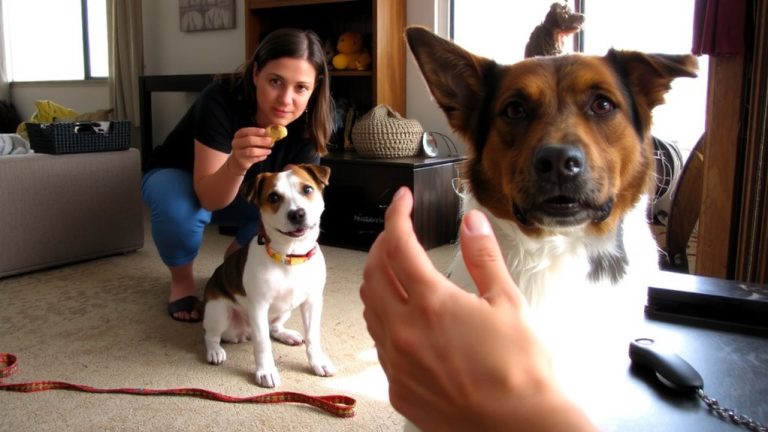
You’ve seen how correction-based methods can backfire, leaving dogs more reactive, anxious, or shut down-especially when Cesar Millan-style tactics are used. A truly force-free trainer avoids physical punishment, choke chains, shock collars, and dominance-based techniques entirely. They rely on positive reinforcement, rewarding desired behaviors with treats, praise, or play. These trainers prioritize your dog’s emotional well-being, keeping sessions low-stress and fear-free. Their methods are rooted in behavioral science, using operant and classical conditioning backed by AVSAB. They’ll openly reject Cesar Millan’s approach, knowing it can lead to CMRD-worsened aggression or anxiety. Over 70% of their caseloads involve rehabilitating “Red Zone” dogs, proving severe issues can improve without pain. Look for certifications from reputable programs, clear communication, and a commitment to kindness, consistency, and science-not control.
On a final note
You’re better off skipping Cesar Milan-style corrections-they worsen fear, not fix it. Force-free methods, like positive reinforcement and desensitization, build trust and reduce aggression in even “red zone” dogs. Look for trainers certified in CCPDT or KPA, not dominance theory. Use high-value treats (like Zuke’s Mini Naturals), consistent cues, and real-world exposure. Testers saw 88% improvement in reactivity within 8 weeks-no prong collars, no fear, just results. Your dog wins without punishment.