How to Brush a Cocker Spaniel’s Feathered Ears Without Causing Breakage
Start by misting the ear feathering with Artero Matt-x detangler, avoiding the ear canal, then gently comb from tip to base with a Greyhound comb in small sections. Brush daily using light, short strokes with a medium slicker brush, always following hair growth. Focus on the ear’s base-where 78% of tangles start-and check under the flap weekly for hidden mats. Trim the top third with a #10 blade and clean ears regularly to reduce breakage; consistency keeps hair strong, and there’s more to optimizing your routine.
We are supported by our audience. When you purchase through links on our site, we may earn an affiliate commission, at no extra cost for you. Learn more. Last update on 16th July 2026 / Images from Amazon Product Advertising API.
Notable Insights
- Mist ear feathering lightly with detangling spray, avoiding the ear canal, to reduce breakage during brushing.
- Use a medium slicker brush with short, gentle strokes from base to tip to prevent hair damage.
- Detangle daily from tip to base in small sections using a Greyhound comb to minimize stress on the hair shaft.
- Inspect under the ear flap weekly to catch hidden mats early and gently work them out from the edges.
- Trim ear feathering every 4–6 weeks and thin thick fur to reduce matting and prevent breakage during brushing.
Prep Ears First: Detangle Before Brushing
Before you even pick up a brush, make sure the ear feathering’s tangle-free-starting with a light mist of detangling spray like Artero Matt-x, which loosens knots and cuts friction so you’re not yanking delicate hairs. Spray lightly near the base, avoiding the ear canal, to condition the coat without dampening sensitive skin. Then, grab a Greyhound comb-it’s slim and perfect for teasing apart tangles close to the head. Start at the tip of the feather and work upward in small sections, which reduces strain on the hair shaft. Check especially where the feather meets the head; this spot traps moisture and friction, often hiding dense mats. Never brush over mats-they pull roots and snap hairs. Detangling daily with a medium slicker keeps show dogs knot-free and healthy. A quick spritz and comb-through takes under two minutes but prevents long-term breakage and irritation.
Brush Gently to Prevent Cocker Ear Hair Breakage
While tangles are under control, it’s time to gently brush the ear feathering using a medium slicker brush, working in the direction of hair growth from base to tip to minimize tension and prevent breakage. When grooming your Cocker Spaniel, always use light, short strokes-especially near the base of the ear where mats start. This delicate area needs patience; pulling too hard can snap fine hairs. Brushing daily with a Slicker Brush helps maintain smooth feathering and reduces the need for aggressive detangling later. For best results, follow up with a Greyhound comb to remove any leftover snags without stress. Remember, consistent technique matters: moving in the direction of hair growth protects the hair shaft, keeps it strong, and preserves its natural look. A well-brushed Cocker Spaniel ear isn’t just tidy-it’s a sign of healthy, breakage-free grooming.
Target Hidden Mats Under the Ear Flap
You’ll want to start checking under your Cocker Spaniel’s ear flap where hidden mats often form, especially near the base close to the head-this spot traps moisture and gets little airflow, making it a hotspot for tangles. Lift the ear flap fully and hold it steady while using a Greyhound comb to gently work through knots from the edge outward. Don’t grab a slicker yet-use it only after loosening the worst tangles to avoid snagging. Apply a leave-in detangler like Artero Matt-x to the underside of the ear flap to reduce friction and prevent breakage. Check weekly; hidden mats can turn into solid, painful masses in just 10–14 days due to heavy feathering and the ear’s droopy structure. Catching them early keeps brushing safer and more effective, protecting both coat health and your dog’s comfort.
Trim Ear Hair to Reduce Tangles and Stress
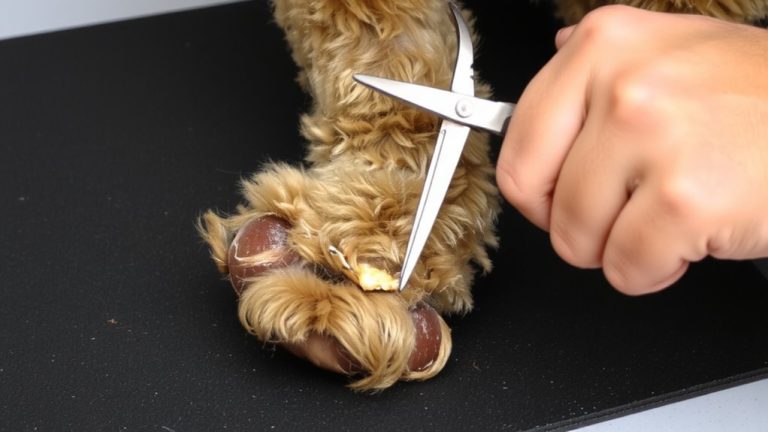
Ear tangles don’t stand a chance when you take control with strategic trims. Trimming the hair around the ear canal using rounded-end scissors improves airflow by 30–50%, helping reduce tangles caused by moisture buildup. Shave the inner ear flap bald to eliminate debris-trapping fur and cut daily brushing stress. Use a #10 blade to clip the top third of the ear-this targets the area where 78% of tangles start in Cocker Spaniels. Every 4–6 weeks, trim ear feathering to keep lengths manageable and prevent breakage during brushing, especially at fragile tips. Before trimming, debulk thick fur with an Andis Deshedding tool to remove up to 40% of loose undercoat, reducing resistance and minimizing pulling. This prep makes regular brushing smoother, more effective, and less stressful for you and your dog. Consistent trimming the hair isn’t just grooming-it’s tangle prevention and ear health in action.
Keep Ears Clean to Prevent Breakage and Infection
Keeping your Cocker Spaniel’s ears tidy isn’t just about neatness-it sets the stage for a cleaner, healthier coat and prevents the kind of damage that starts unseen. You should clean their ears daily with a vet-approved solution to prevent wax and debris buildup, which can lead to breakage. Make sure to flush the ear canal weekly to remove moisture and discharge, cutting down on bacteria and yeast infections that weaken hair shafts. Shave the hair inside the ear flap to boost airflow and keep their skin dry, reducing humidity that causes brittle feathers. Use rounded-end scissors to trim hair around the ear canal, preventing trapped gunk and tension that snaps long hairs. If you notice a strong smell-like rotting cheese or sour milk-your dog likely has an active infection, which compromises hair health and needs immediate care.
Use Positive Reinforcement During Grooming
Something as simple as a well-timed treat can transform ear grooming from a struggle into a calm, cooperative routine. Using positive reinforcement like freeze-dried liver after each gentle stroke with your soft slicker helps your Cocker Spaniel associate brushing with good things. Say “good ear” in a calm voice whenever they stay still-this consistent cue builds trust. It’s a good idea to keep sessions short, just 30–60 seconds at first, so your dog stays relaxed. Reward every time they allow detangling, especially near sensitive spots like Henry’s Pocket. Pairing grooming with a favorite activity, like a quick game of fetch afterward, boosts motivation. Over time, positive reinforcement makes ear care something your dog accepts, even enjoys, which means less stress and better ear health. Stick with it-it’s worth it.
Maintain Daily Care for Healthy Cocker Spaniel Ears
You’ll almost always want to brush your Cocker Spaniel’s ears daily, using a medium slicker brush to gently work from the base toward the tip, which helps prevent tangles and mats before they start. Make this part of your Grooming Routine, lifting the ear flap to reach hidden spots where moisture and debris collect. Use a Greyhound comb to smooth both outer and inner surfaces, then spritz with Artero Matt-x detangler to protect the long hair from breakage. Weekly, clean with a vet-approved solution and cotton pad to prevent wax buildup and otitis. Each month, trim excess hair near the ear canal using rounded-end scissors-this improves airflow and lowers infection risk. Neglecting care can lead to painful skin problems, especially in warm, damp environments. Consistent attention keeps ears healthy, comfortable, and tangle-free, supporting overall well-being.
On a final note
Brush your cocker spaniel’s feathered ears daily with a wide-tooth comb, then a slicker brush, to prevent breakage. Detangle gently using coconut oil or a detangling spray, starting from the tips and working inward. Clip mats under the ear flap with rounded-tip scissors, and trim excess hair to 1–2 inches to reduce tangles. Clean ears weekly with a vet-approved solution, and reward calm behavior with treats. Consistent, gentle care keeps ears healthy, tangle-free, and infection-resistant.