Brushing Techniques for Preventing Matting in Long-Haired Maine Coon Cats
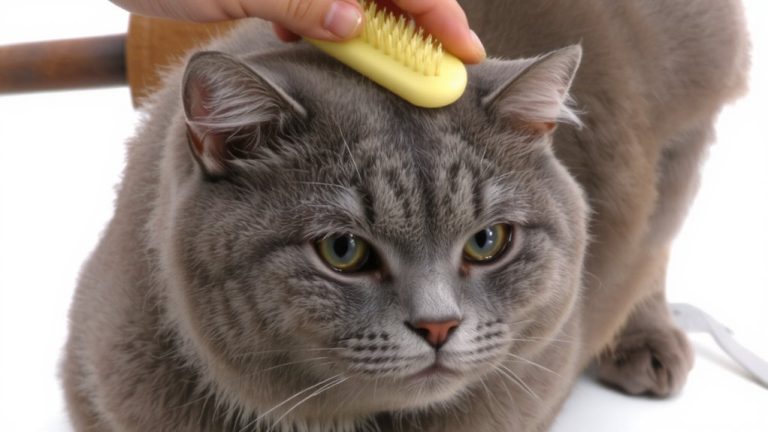
Brush your Maine Coon daily with a stainless steel comb to catch tangles deep in the undercoat, especially in high-friction zones like armpits, belly, and behind the ears. Never brush damp fur-it binds strands and worsens matting. Follow with a slicker brush lightly, then use a Furminator weekly to reduce loose undercoat. Cheap tools won’t reach base layers, increasing mat risk. If your cat resists or has skin-tight mats, professional grooming every 8–12 weeks can prevent pain and compaction. There’s more to optimizing each session for comfort and efficiency.
We are supported by our audience. When you purchase through links on our site, we may earn an affiliate commission, at no extra cost for you. Learn more. Last update on 19th July 2026 / Images from Amazon Product Advertising API.
Notable Insights
- Use a stainless steel comb daily to reach deep into the undercoat and catch tangles before they form.
- Focus brushing on high-friction areas like armpits, belly, and behind the ears where mats commonly start.
- Always brush dry fur to prevent moisture from binding undercoat strands and worsening matting.
- After combing, lightly use a slicker brush to remove loose hair without compacting the undercoat.
- Schedule professional grooming every 8–12 weeks to manage thick coats and prevent severe matting.
Why Maine Coons Get Matted Despite Brushing
Even if you’re brushing your Maine Coon regularly, mats can still form because most slicker brushes only smooth the long guard hairs while missing the dense, fluffy undercoat where tangles start. Maine Coons shed a lot of loose undercoat, especially during seasonal coat blows in spring and fall, requiring daily grooming to prevent matting. Mats commonly develop in high-friction zones like the armpits, belly, and behind the ears, where movement and trapped moisture accelerate tangle formation. Brushing damp fur worsens matting by binding strands together in their moisture-retentive undercoat. Even with regular grooming, improper tools can irritate sensitive skin or fail to reach the base of the coat. Without targeting the undercoat directly, tangles build unseen until they tighten into painful mats. Adjusting frequency and technique during heavy shedding phases is essential for keeping your Maine Coon’s coat healthy and tangle-free.
Best Brushes for Maine Coon Coats
A solid grooming toolkit starts with the right tools, and for your Maine Coon’s thick double coat, that means choosing brushes that tackle both guard hairs and dense undercoat. Start with a stainless steel comb-wide and medium teeth help you reach the skin, letting you detect early tangles and prevent matting before matted fur appears. For long-haired cats, slicker brushes should only be used lightly after combing, as heavy use can compact the undercoat. De-shedding tools like the Furminator remove loose undercoat effectively, but use them carefully to avoid damaging guard hairs. Avoid cheap grooming tools-they often fail to penetrate deep layers, increasing friction and mat risk. Invest in professional grooming tools like dry-coat rakes and dematting combs for high-friction zones. They keep your Maine Coon’s coat mat-free with consistent, smart care.
Daily Brushing Routine for Tangle-Free Fur
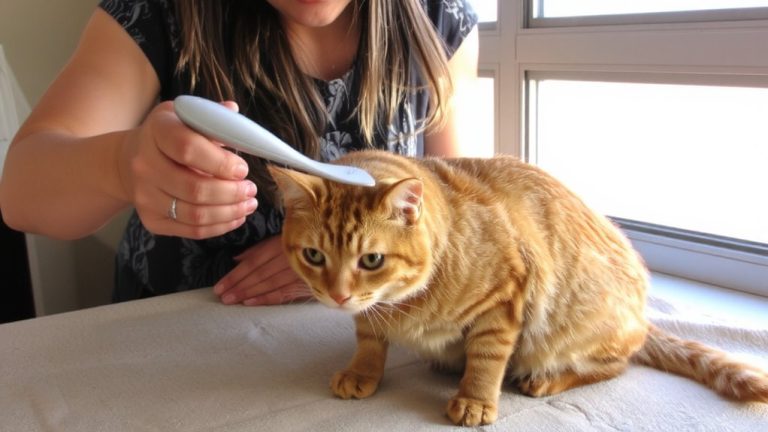
You should brush your Maine Coon daily, using a stainless steel comb with wide and medium teeth to reach deep into the dense undercoat, especially in high-friction zones like the armpits, belly, and behind the ears where tangles hide beneath the guard hairs. Daily brushing prevents mats by catching tangles early, before they tighten. Focus grooming sessions on problem areas-under the legs, along the spine-where friction and moisture speed up matting. Keep brushing to 5–10 minutes to make regular brushing stress-free and consistent, especially during shedding seasons. Always brush dry fur; damp hair increases matting risk, particularly in humid climates like Bothell, WA. After detangling, use a slicker brush lightly to remove loose fur. Avoid harsh de-shedding tools that can damage your Maine Coon’s coat. This routine grooming practice helps prevent mats and keeps your cat’s fur healthy and tangle-free.
When Your Maine Coon Needs Professional Grooming
When’s the right time to call in a pro for your Maine Coon’s coat care? If your cat is prone to matting, especially in high-friction zones like armpits or groin, professional grooming becomes essential. Mats form easily due to their thick, lush undercoat, and once they’re skin-tight or painful, mats require expert handling to avoid injury. A certified professional cat groomer uses high-quality grooming tools and techniques to safely remove tangles without harming the skin. If your Maine Coon vocalizes, resists brushing, or shows aggression, it’s a sign that preventing mats at home isn’t enough. Frequent professional grooming-every 8–12 weeks-prevents mats, reduces undercoat compaction, and maintains coat health. For severe cases, vet-assisted shaving might be needed. Regular sessions with a professional cat groomer aren’t just cosmetic-they’re a crucial part of preventing mats and keeping your cat comfortable long-term.
On a final note
You keep your Maine Coon mat-free with consistent, daily brushing using a slicker brush and stainless steel comb, focusing on high-friction zones like behind the ears and under the arms. A 10-minute routine prevents tangles, reduces shedding, and strengthens your bond. If mats persist despite proper tools and technique, seek a professional groomer-especially for dense, knotted undercoats. Proper brushing every day keeps their 4–6 inch fur healthy, tangle-free, and looking its best.