How to Choose a Food That Supports Gut Healing in Leaky Gut Cats
Choose a food with real chicken, salmon, or novel proteins like trout as the first ingredient to support gut healing, avoiding meat meals and by-products that can irritate. Pair it with a vet-approved probiotic like FortiFlora and add 1–2 teaspoons of cooked white rice or pureed pumpkin for gentle fiber. Skip grains, BHA, and raw diets-many pet owners saw firmer stools and less vomiting within days. Omega-3s from fish oil further calm inflammation. Stick to hydrolyzed or low-residue recipes, shift over 7–10 days, and watch for positive changes you can build on.
We are supported by our audience. When you purchase through links on our site, we may earn an affiliate commission, at no extra cost for you. Learn more. Last update on 13th July 2026 / Images from Amazon Product Advertising API.
Notable Insights
- Select a food with real meat like chicken or salmon as the first ingredient to ensure high-quality, digestible protein.
- Avoid meat meals, by-products, and artificial preservatives that may irritate the gut lining and worsen inflammation.
- Opt for novel or hydrolyzed proteins to minimize immune reactions and support intestinal barrier repair.
- Include gentle carbohydrates such as cooked white rice or pureed pumpkin to aid stool formation and gut healing.
- Transition slowly over 7–10 days while avoiding grains, raw diets, and high-carb kibble to reduce gut stress.
What Is Leaky Gut in Cats?
While you might not hear about it as often as other digestive issues, leaky gut-known scientifically as increased intestinal permeability-is a real concern for cats with ongoing gut problems. In your cat’s digestive tract, tight junctions normally keep the intestinal lining sealed, but with leaky gut, those junctions loosen. That allows toxins, bacteria, and undigested food particles to escape into the bloodstream. This breach stresses the immune system and harms gut health over time. Chronic inflammation, food intolerances, dysbiosis, or long-term NSAID use can all contribute. You might notice symptoms like persistent diarrhea, vomiting, weight loss, or low energy due to poor nutrient absorption. Leaky gut can also worsen conditions like IBD or trigger allergies. While direct testing isn’t common, vets often diagnose it based on symptoms and response to diet changes. Keeping the digestive tract intact is key to long-term wellness.
Feed Easy-to-Digest Animal Proteins First
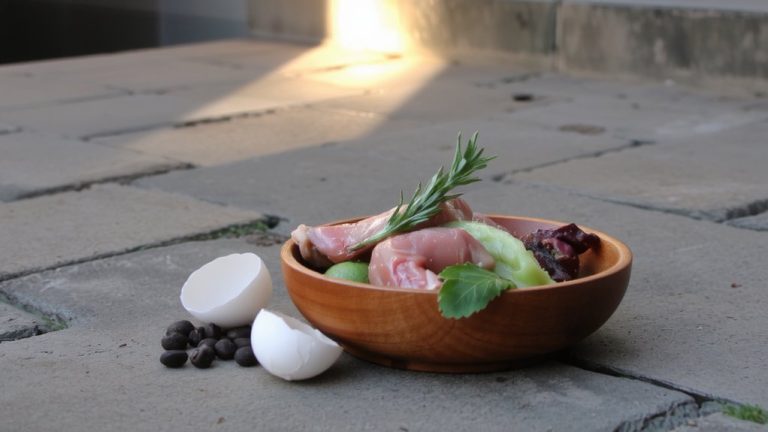
Start with real meat-chicken, rabbit, or salmon-as the first ingredient up front on the label, because your cat’s healing gut needs clean, highly digestible animal protein it can actually use. Prioritize easily digestible animal proteins to reduce gut inflammation and support repair. Avoid meat meals and by-products-they’re highly processed and may trigger irritation. Instead, choose foods with whole, cooked animal sources; raw diets can increase microbial risks and strain a compromised gut. Opt for novel proteins like trout or tuna if your cat has food sensitivities-they limit immune reactions and still deliver high-quality protein. For tough cases, hydrolyzed protein diets, such as Intestinal Hydrolyzed Fish, break peptides into smaller sizes, preventing immune activation. Cooking the protein guarantees safety and digestibility. Your cat isn’t just eating to survive-they’re using every bite to rebuild their gut lining, so make each ingredient count with real, simple, effective nutrition.
Use Probiotics and Prebiotics to Restore Gut Balance
When your cat’s gut barrier is compromised, restoring balance with targeted support makes a real difference, and that’s where probiotics and prebiotics come in. Probiotics like *Bifidobacterium* and *Enterococcus* replenish good bacteria, easing digestion and calming inflammation. Look for vet-approved supplements such as FortiFlora, which uses feline-specific strains that survive stomach acid and effectively colonize the gut. Pair them with prebiotics-ingredients like chicory root and inulin-that feed beneficial microbes and strengthen the intestinal lining. Together, probiotics and prebiotics support lasting gut balance and help reduce leaky gut permeability. For best results, give probiotics at least two hours apart from antibiotics to protect bacterial viability. Consistent daily use, combined with the right diet, promotes microbial stability and healing. You’ll notice improved stool quality and overall well-being as the microbiome rebalances.
Calm the Gut With Gentle Carbs Like Rice and Pumpkin
You’ve already taken steps to rebuild your cat’s gut health with probiotics and prebiotics, and now you can further soothe their digestive tract with gentle, easily tolerated carbohydrates like cooked white rice and pureed pumpkin. Gentle carbs like these help minimize digestive upset by acting as binding agents that regulate gut transit and reduce inflammation. Just 1–2 teaspoons of cooked white rice can firm loose stools, while plain pureed pumpkin adds soluble and insoluble fiber to support intestinal barrier function. Introduce these slowly to avoid fermentative gas or microbiome disruption in sensitive cats. When paired with high-quality animal protein and bone broth, rice and pumpkin create a low-residue meal that promotes mucosal healing. This combination also enhances nutrient absorption, helping your cat get the most from every bite during gut recovery.
Fight Inflammation With Omega-3 Fatty Acids
While your cat’s gut heals, fighting inflammation becomes just as important as rebuilding the microbiome, and omega-3 fatty acids are a proven way to calm intestinal irritation. Omega-3 fatty acids-especially EPA and DHA from salmon, mackerel, or sardines-help reduce inflammation and support gut lining integrity. To get real results, aim for a daily supplement with at least 200–300 mg combined EPA and DHA. Wild-caught, boneless, skin-on, cooked salmon offers a highly bioavailable source you can safely add to meals. Avoid high omega-6 to omega-3 ratios, which worsen inflammation; keep the balance between 5:1 and 10:1. Opt for veterinary-approved fish oil supplements-they deliver precise dosing and skip the risks of raw fish, like thiaminase-related B1 deficiency. With consistent use, these omega-3s don’t just reduce inflammation-they actively support gut recovery in cats long-term.
Avoid These Common Leaky Gut Triggers
Omega-3s help calm the storm inside your cat’s gut, but just as important is removing the irritants that keep the inflammation going. Skip foods with grains like corn, wheat, and soy-they boost intestinal permeability. Avoid artificial preservatives such as BHA, BHT, and ethoxyquin, known to disrupt immunity and irritate the gut. Raw meat may seem natural, but it often carries harmful bacteria like Salmonella, worsening gut damage. Also limit high-carb kibble, which fuels dysbiosis.
| Trigger | Why to Avoid |
|---|---|
| Grains | Increase gut permeability, drive inflammation |
| Artificial preservatives | Cause gut irritation, weaken immune response |
| Raw meat | Risk of pathogens like Salmonella, E. coli |
| High-carbohydrate diets | Ferment in gut, harm the intestinal barrier |
Transition Foods Slowly to Prevent Digestive Setbacks
When switching your cat to a gut-healing diet, doing it too fast can undo progress, so aim for a slow, steady shift over 7 to 10 days. You’ll want to shift foods slowly to avoid digestive upset and support a balanced gut microbiome. Start by mixing 25% new food with 75% current food for the first 2–3 days. Then, increase the new food by 25% every few days, watching stool quality and appetite closely. Sudden changes can disrupt your cat’s gut microbiome and worsen leaky gut symptoms. If you see vomiting, diarrhea, or appetite loss, pause and stay at the last tolerated ratio. Most cats adapt smoothly when you shift foods slowly, keeping gut healing on track. This gradual method supports digestion, minimizes stress, and gives beneficial bacteria time to adjust, helping your cat stay comfortable and healthy throughout the change.
On a final note
You’ve got this. Start with highly digestible animal proteins like boiled chicken or hydrolyzed diets, feed small meals 3–4 times daily, add a proven probiotic with at least 5 billion CFUs, and mix in 1 tsp pumpkin per meal for fiber. Use fish oil providing 300 mg combined EPA/DHA daily to reduce gut inflammation. Avoid grains, fillers, and sudden food changes. Shift over 7–10 days, monitoring stool and energy. Real results show improved digestion in 2–3 weeks with consistent, gentle nutrition.