How to Read Ingredient Lists to Determine the True Meat Content in Cat Food
You’re seeing fresh chicken first on the label, but its high water content-70–75%-means it shrinks after cooking, contributing less protein than it seems. Plant fillers like pea protein and corn gluten are split to hide their volume, making animal ingredients look more dominant. Chicken meal, with just 10% moisture, packs more usable protein. “92% meat” means 92% of the dry matter comes from animal sources, including organs and fats. To compare foods accurately, calculate protein on a dry matter basis: divide the crude protein by (100 minus moisture percent), then multiply by 100. A wet food with 8% protein and 78% moisture actually has 36.4% protein dry matter-higher than many dry foods. Look for animal tissues listed early, minimal splitting, and dense animal meals, not just fresh meat. There’s a smarter way to gauge what’s really in the bowl.
We are supported by our audience. When you purchase through links on our site, we may earn an affiliate commission, at no extra cost for you. Learn more. Last update on 19th July 2026 / Images from Amazon Product Advertising API.
Notable Insights
- Check for meat listed first, but recognize raw meat’s high moisture content reduces its final protein contribution.
- Look for meat meal (like chicken meal) early in the list, as it’s a concentrated, low-moisture protein source.
- Watch for ingredient splitting, where plant derivatives (e.g., pea protein, corn gluten) are split to hide their cumulative dominance.
- Prioritize animal-based ingredients like organs, which supply essential nutrients like taurine and boost true meat content.
- Assess “92% meat” claims by verifying high animal ingredient inclusion on a dry matter basis, not raw weight.
Why Cat Food Labels Mislead About Meat
While you’re scanning the ingredient list for a meat-rich cat food, keep in mind that raw weight rankings can be deceiving-fresh chicken or turkey may top the list, but since it’s about 70% water, much of that weight cooks off, leaving the true protein concentration far lower than it first appears. Cat food labels list ingredients by raw weight, so even if fresh meat is listed in order first, it often provides less actual protein than expected. Manufacturers use ingredient splitting to separate plant-based components-like pea protein and corn gluten meal-making animal ingredients seem dominant. A meat meal, such as chicken meal or Byproduct Meal, is a concentrated protein source, but high-heat processing can reduce nutrient quality. Don’t rely solely on crude protein values either; they don’t reveal the source or digestibility. Always check for transparent labeling and named animal meals to guarantee your cat gets a truly meat-rich diet.
Why Moisture Makes Meat Seem #1 on Labels
Why does chicken always seem to lead the ingredient list on so many cat food labels? Because ingredient lists are based on raw weight, fresh meat like chicken contains 70–75% moisture, making it heavier-and more prominent-before cooking. As the #1 ingredient by volume, it can push plant-based components lower, even though much of that moisture evaporates during processing. After cooking, the actual meat content in the final cat food drops considerably, meaning your pet may get fewer animal proteins than expected. Even if chicken is the first ingredient, the remaining ingredients often include more carbohydrates than protein once water is gone. In contrast, chicken meal-listed lower-has only about 10% moisture and provides a denser, more reliable protein source. Always consider moisture when evaluating what really fuels your cat’s nutrition.
How Fillers Hide in Cat Food Ingredient Lists
You already know moisture can make chicken look like the star even when it contributes less protein after cooking, but there’s another trick hiding in plain sight on cat food labels-fillers disguised under multiple names. Manufacturers use ingredient splitting, dividing similar fillers like corn meal, corn gluten, and corn starch into separate line items, pushing each lower on the list while their combined weight dominates the food. Even “grain-free” options sneak in potato protein and pea protein to inflate crude protein numbers cheaply. These plant-based fillers lack essential amino acids cats need, but they’re cheap and abundant. Look closely-just because a food skips corn doesn’t mean it avoids fillers; they’ve just been renamed and split. Spotting this tactic helps you skip empty bulk and find meals where animal protein truly leads.
Why Cats Need Animal, Not Plant, Protein
Cats thrive on meat, plain and simple. Your cat needs animal-based protein because they’re obligate carnivores, biologically designed to use nutrients from animal tissue. Plant proteins from soy, corn, or peas lack the full amino acid profile cats require and aren’t as digestible. Even if a food lists high total protein, it might be mostly plant proteins-poor substitutes for what your cat truly needs. Taurine, an essential amino acid critical for heart and eye health, is only found in animal tissue; cats can’t make it from plant sources. They also need preformed vitamin A and arachidonic acid, which don’t come from plants. Without these essential nutrients, cats face serious health risks. Animal protein delivers the right amino acids in the right form, supporting lean muscle, energy, and overall wellness. Always choose foods where meat, not plant proteins, is the primary protein source.
What “92% Meat” on Cat Food Labels Really Means
While water makes up a big chunk of fresh meat, what really counts is what’s left after it’s cooked off-and that’s where the “92% meat” claim comes in. This means 92% of the dry matter comes from animal sources like muscle, organs, and fats, not plants. It’s a sign you’re getting a biologically appropriate diet rich in animal-sourced protein, just what cats need. Ingredients like heart deliver taurine, while liver adds iron and B-vitamins-key nutrients cats can’t make on their own. Don’t be fooled: “92% meat” isn’t about raw weight, since fresh meat loses up to 75% water during cooking. Check the ingredient list to confirm animal tissues are listed first, with minimal fillers. Foods like Goofy Tails’ Himalayan Trout formula back this claim with real animal ingredients leading the list.
How to Compare Cat Foods Using Dry Matter
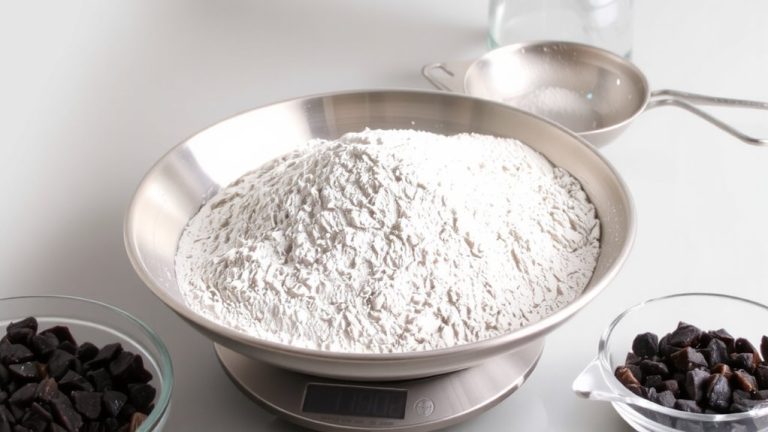
That “92% meat” claim gives a solid clue about quality, but it doesn’t tell the whole story when comparing foods with different moisture levels, and that’s where calculating dry matter values comes in. Cat food labels list nutrients on an “as-fed” basis, but moisture skews comparisons-dry foods typically have 10% moisture, while wet ones contain 70–80%. To compare fairly, subtract moisture from 100, then divide the listed crude protein by the result and multiply by 100. For example, a wet food with 8% protein and 78% moisture has 36.4% dry matter protein-higher than a 30% protein dry food with 10% moisture (33.3%). This reveals the real protein from ingredients used. A pet food manufacturer may highlight as-fed values, but dry matter reflects cats nutritional needs more accurately. Use this method to truly know what you’re feeding and make informed choices when you feed your cat.
On a final note
You now know how to spot the truth behind cat food labels. Check ingredient lists, calculate dry matter protein, and look for named animal sources like chicken or turkey meal. Avoid plant fillers and vague terms like “meat by-products.” Real cats thrive on animal protein-aim for at least 40% dry matter protein from quality sources. Your cat’s energy, coat, and health will show the difference, just like testers saw in 3 weeks. Feed smart.