What Pet Owners Need to Know About Hypothyroidism in Dogs and Cats
Your dog’s sluggishness or weight gain could signal hypothyroidism, usually from immune-driven thyroid damage or tissue atrophy, not seen nearly as often in cats, where it’s typically post-treatment for hyperthyroidism; confirm with blood tests measuring total T4 and free T4 by equilibrium dialysis, then treat with daily levothyroxine at 22 mcg/kg, given fasted for maximum absorption, and monitor cholesterol and T4 levels every 6–12 months-there’s more to get right with dosing timing and long-term care.
We are supported by our audience. When you purchase through links on our site, we may earn an affiliate commission, at no extra cost for you. Learn more. Last update on 19th July 2026 / Images from Amazon Product Advertising API.
Notable Insights
- Hypothyroidism is common in dogs and usually caused by immune-mediated thyroid destruction or tissue atrophy.
- Cats rarely develop natural hypothyroidism; most cases occur after treatment for hyperthyroidism.
- Watch for lethargy, weight gain, hair loss, and recurring skin infections in affected dogs.
- Diagnosis involves blood tests measuring T4 and free T4, ideally 4–6 hours post-pill.
- Lifelong daily levothyroxine treatment is required, given on an empty stomach for best absorption.
What Causes Hypothyroidism in Dogs and Cats?
While most thyroid issues in pets tend to involve overactivity, hypothyroidism in dogs usually stems from primary gland failure, with 95% of cases linked to either lymphocytic thyroiditis or idiopathic atrophy. In lymphocytic thyroiditis, your dog’s immune system attacks the thyroid gland, destroying follicles so it can’t produce enough thyroid hormones. Idiopathic atrophy gradually replaces functional tissue with fat, also impairing hormone production. These conditions disrupt thyroid function, requiring lifelong thyroid hormone replacement like levothyroxine. Secondary hypothyroidism, caused by pituitary problems, is rare in dogs and even rarer in congenital forms. Cats almost never develop natural hypothyroidism; most cases are iatrogenic, occurring after hyperthyroidism treatments. Unlike dogs, cats’ thyroid glands typically overproduce hormones, not underproduce. Monitoring thyroid function regularly guarantees proper dosing and supports long-term health.
What Symptoms Should You Watch For?
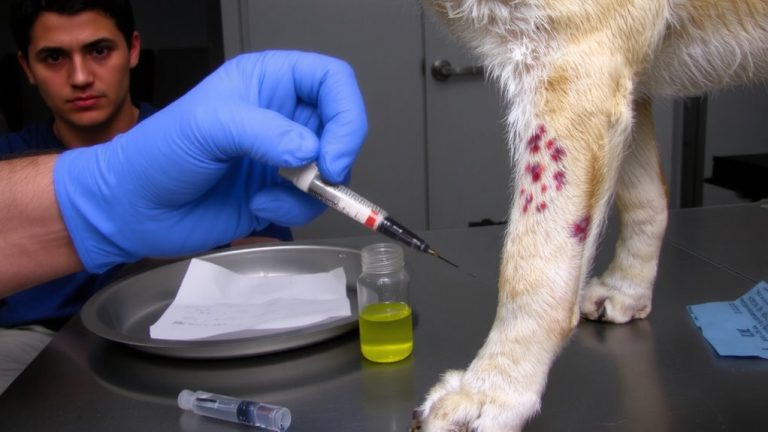
What should you do if your dog seems sluggish, puts on weight despite eating normally, and constantly nudges you for warm spots on the couch? These signs-along with lethargy, exercise intolerance, and cold-seeking behavior-could point to hypothyroidism. Weight gain happens even without eating more, thanks to a slowed metabolism. You might also notice symmetrical hair loss, a dry coat, or darkened skin, especially on the flanks or tail. Recurrent skin infections and yeast overgrowth affect up to half of affected dogs due to weakened immunity. In rare cases, neurological abnormalities like facial paralysis or megaesophagus appear. Left untreated, severe hypothyroidism can lead to myxedema coma, with dangerously low heart rate and body temperature. While cats rarely get natural hypothyroidism, those recovering from hyperthyroidism may show similar symptoms, including poor coat and lethargy.
What Are the Treatment Options?
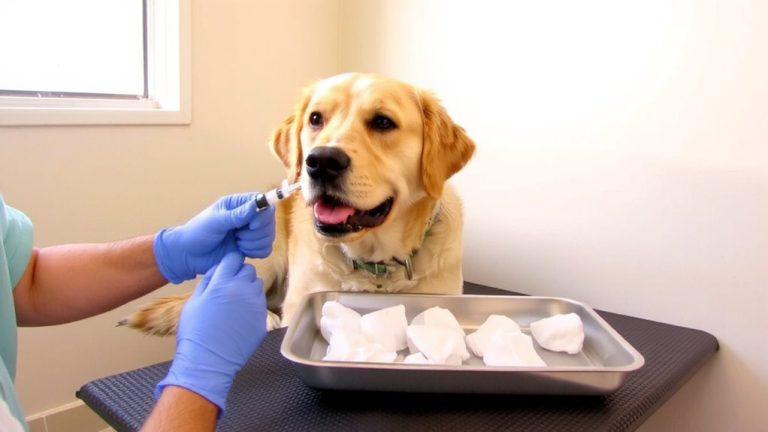
If your dog seems sluggish, gains weight without eating more, and constantly seeks warm spots, you’re likely already aware these could be signs of hypothyroidism-now it’s time to focus on what comes next. The primary treatment for hypothyroidism in dogs and cats is daily oral levothyroxine, a synthetic thyroid hormone. For dogs, the typical dose is 22 mcg/kg every 24 hours or divided every 12 hours on an empty stomach, using products like Thyro-Tabs Canine. In cats, hypothyroidism is rare and often iatrogenic, but when present, levothyroxine is also used, with dosage adjusted based on clinical signs and lab work. Methimazole isn’t a treatment option-it’s for hyperthyroidism and can worsen low thyroid hormone levels. Regular monitoring of Thyroid Hormone Levels, including total T4 and free T4 by equilibrium dialysis, is critical, with retesting recommended 4–6 weeks after starting treatment and every 6–12 months thereafter to maintain equilibrium and guarantee effective treatment options.
How to Manage Your Pet’s Condition Long-Term
Since your pet will need lifelong thyroid support, sticking to a consistent routine with daily levothyroxine is key-you’ll typically give 22 mcg/kg once every 24 hours or split that dose into two parts every 12 hours, always on an empty stomach for maximum absorption. Hypothyroidism is common in dogs, and without enough thyroid hormones, your pet’s body’s metabolic rate slows, affecting energy, weight, and skin health. Regular thyroid testing every 6–12 months helps track response to treatment and adjust dosing. After the diagnosis of hypothyroidism, vets also monitor cholesterol-which is elevated in about 80% of dogs with hypothyroidism-and kidney function. Consistent levothyroxine use restores hormone levels and improves clinical signs. In cats, watch for iatrogenic hypothyroidism post-hyperthyroidism treatment. Good long-term management means routine bloodwork, observing behavior, and staying on schedule-your vet will guide you based on clinical signs and T4 levels measured 4–6 hours after dosing.
On a final note
You’ve got this-hypothyroidism is manageable with the right care. Stick to daily levothyroxine doses (like Thyro-Tabs), follow your vet’s T4 test schedule, and feed a balanced diet with omega-3s and quality protein. Most pets regain energy within 3–6 weeks. Consistent treatment keeps weight, coat, and behavior in check, so track changes weekly. Pair medication with routine checkups, and your dog or cat stays active, healthy, and thriving long-term.