Understanding Feline Calicivirus: Symptoms, Treatment, and Prevention
You’ll notice feline calicivirus in 2–6 days with sneezing, fever, and painful mouth ulcers that make eating hard. It spreads fast through saliva, sneezes, shared bowls, or your hands, thriving in cool, damp areas up to a month. Up to half of cats become carriers, shedding virus long-term. Supportive care like fluids, pain relief, and antibiotics for secondary infections keeps them comfortable. Vaccinate starting at 6–8 weeks, with boosters every 3 years, or yearly if high-risk. Watch for limping, thick nasal discharge, or breathing trouble-these signal more serious issues worth reviewing further.
We are supported by our audience. When you purchase through links on our site, we may earn an affiliate commission, at no extra cost for you. Learn more. Last update on 19th July 2026 / Images from Amazon Product Advertising API.
Notable Insights
- Feline calicivirus causes respiratory issues, oral ulcers, and joint pain, with symptoms appearing 2–6 days after exposure.
- The virus spreads through direct contact, aerosol droplets, contaminated objects, and carrier cats shedding intermittently.
- Severe cases may lead to pneumonia, anorexia, jaundice, or systemic disease with swelling and bleeding disorders.
- Diagnosis is based on clinical signs and PCR testing, most accurate when performed early in infection.
- Treatment focuses on supportive care, while vaccination starting at 6–8 weeks helps prevent infection.
What Is Feline Calicivirus?
While you’re likely familiar with common cat colds, feline calicivirus (FCV) is one of the most frequent culprits behind upper respiratory infections and painful mouth ulcers in cats, affecting both indoor and outdoor felines worldwide. This calicivirus is a highly contagious virus, causing respiratory distress and severe oral disease in cats. FCV spreads fast in multi-cat environments like shelters, with an incubation period of just 2 to 6 days. Once infected, clinical signs like sneezing, nasal discharge, and tongue ulcers appear quickly. The virus thrives in saliva and aerosol droplets, making close contact a major risk. Even after recovery, cats can shed the virus for weeks-or even life. Up to 50% become long-term carriers, silently spreading FCV. Vaccines help reduce severity, but consistent hygiene, quality nutrition, and stress control are key to supporting immune health and managing exposure risks in your cat’s daily routine.
How Do Cats Catch Calicivirus?
How does your cat pick up feline calicivirus? Cats catch calicivirus (FCV) through direct contact with secretions from the nose, eye discharge, or saliva of infected cats. When sick cats sneeze, they spread the virus through aerosol droplets that can travel several meters, contaminating the air and nearby surfaces. You might not realize it, but contaminated objects like food bowls, litter boxes, and bedding can stay contaminated with infectious FCV for up to a month, especially in cool, damp areas. Even human hands can carry the virus between cats. Some recover but become long-term carriers, shedding FCV intermittently. While FCV is often discussed alongside feline herpesvirus, each spreads similarly. Keeping your home clean and minimizing exposure to unknown cats reduces risk.
Symptoms of Calicivirus in Cats
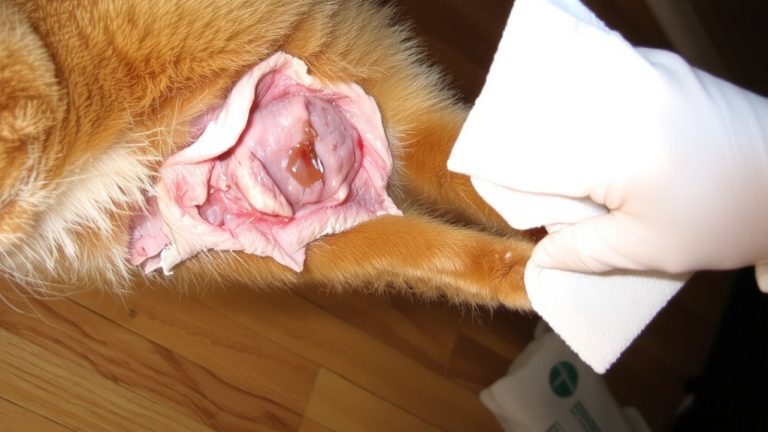
Oral ulcers are often the first sign your cat might have feline calicivirus (FCV), appearing as small, painful sores on the tongue, gums, or roof of the mouth. These mouth ulcers, including ulcers on the tongue, make eating uncomfortable and lead to drooling. You’ll likely notice respiratory symptoms like sneezing and nasal congestion, with discharge starting clear but turning thick and yellow-green if bacteria join in. Watery or goopy eye discharge is common, sometimes leading to conjunctivitis (inflammation of the eye lining), especially in severe cases. Some cats with calicivirus in cats develop joint pain, causing temporary limping that resolves in a few days. While high fever can occur, most cases stay mild. These signs of calicivirus usually appear 2–6 days after exposure and last 1–2 weeks. Watch closely, but know that support at home and vet guidance help most cats bounce back without complications.
Severe Symptoms of Calicivirus: When to Worry
If your cat’s calicivirus symptoms take a turn for the worse, it’s time to act fast-severe cases can escalate quickly, especially in kittens, older cats, or those with weakened immune systems. Watch for high fever, labored breathing, or coughing, which may signal severe respiratory distress or pneumonia. Painful oral ulcers can lead to anorexia, increasing the risk of hepatic lipidosis, especially in overweight cats. Some strains cause arthritis, resulting in transient lameness and joint pain. More dangerous variants, like FCV-VSD, trigger facial and limb swelling, widespread ulceration, and secondary bacterial infections. Cats may develop jaundice, bleeding disorders, or even life-threatening organ involvement. These signs mean immediate vet intervention is critical-don’t wait. Early action improves outcomes, particularly when supportive care, hydration, and proper nutrition are started promptly.
How Do Vets Diagnose Calicivirus in Cats?
What signs should you watch for when your cat seems under the weather and you’re wondering about calicivirus? Look for clinical signs like oral ulcers on the tongue or gums-these often point to an infected cat. Your veterinarian may prescribe tests to confirm, starting with swabs from the eyes, nose, or mouth for PCR testing. This method detects calicivirus accurately, especially early on when viral shedding is highest. But timing matters-false negatives happen if swabs come more than a week after symptoms start. PCR testing can also identify carrier cats, who show no signs but still spread the virus. Blood tests measuring antibodies aren’t reliable since they can’t distinguish between past vaccination and active infection. Relying on clinical signs plus timely PCR results gives the clearest diagnosis.
What’s the Treatment for Calicivirus in Cats?
While there’s no cure for feline calicivirus, you can take meaningful steps to help your cat feel better and recover faster with the right supportive care. The main goal of treatment is managing symptoms and preventing complications. Keep your cat hydrated, as dehydration is common when mouth ulcers make drinking painful. Your vet may recommend pain relief to ease oral and joint discomfort. Antibiotics won’t touch the virus, but they help prevent secondary bacterial infections. Offer warmed, smelly wet food to encourage eating. Steam therapy for 10–15 minutes twice daily can loosen nasal congestion. Wipe eye and nose discharge gently with a warm cloth. Always follow your vet’s advice-prompt veterinary care improves outcomes and keeps your cat comfortable throughout recovery.
Can You Prevent Calicivirus in Cats?
You’ve likely heard how supportive care helps cats recover from calicivirus, but keeping your cat from getting infected in the first place is always the better path. You can prevent calicivirus with core vaccines-kittens get their first dose at 6–8 weeks, with boosters every 3–4 weeks until past 16 weeks. Adult cats need boosters every 3 years, or yearly in high-risk spots like shelters. Vaccines given with Calicivax™ cover both typical FCV and deadly FCV-VSD strains. Good hygiene matters-use disinfection with a bleach solution (½ cup per gallon, or 1:32 dilution) on surfaces, since calicivirus survives up to a month. Clean food bowls and litter boxes regularly. Always isolate new or sick cats for 1–2 weeks and avoid shared fomites to stop spread.
On a final note
You’ve got the tools to protect your cat-vaccinate early, clean with bleach-based products weekly, and isolate sick pets. Most cats recover in 7–10 days with supportive care like warmed canned food and fluid therapy. Watch for severe symptoms: ulcers, limping, or trouble breathing. Use a humidifier to ease congestion, and always consult your vet. Prevention, paired with prompt care, keeps your cat resilient, happy, and thriving at home.