How to Choose a Cat Food That Supports Urinary Health Based on Labels
Look for wet food with 70–80% moisture to boost hydration and dilute urine, helping flush minerals like magnesium and phosphorus. Pick formulas labeled “urinary health” with under 1.5% phosphorus and low ash. Choose chicken, turkey, or salmon as the first ingredients to maintain a slightly acidic urine pH (6.2–6.6). Avoid corn, wheat, and soy, which raise pH. Opt for recipes with cranberry extract and real meat to support a healthy bladder, and stick to AAFCO-approved diets for balanced nutrition-there’s more to know about preventing crystals the smart way.
We are supported by our audience. When you purchase through links on our site, we may earn an affiliate commission, at no extra cost for you. Learn more. Last update on 19th July 2026 / Images from Amazon Product Advertising API.
Notable Insights
- Choose wet food with 70–80% moisture to boost hydration and dilute urine minerals.
- Select formulas with less than 1.5% phosphorus and low magnesium on a dry matter basis.
- Prioritize named animal proteins like chicken or salmon listed first to maintain acidic urine pH.
- Avoid corn, wheat, and soy, which promote alkaline urine and increase crystal risk.
- Look for cranberry extract (0.1–1%) and an AAFCO statement for urinary and nutritional support.
Pick Wet Food to Prevent Urinary Crystals
While your cat might be used to kibble, switching to wet food several times a week can make a real difference in preventing urinary crystals. Wet food contains 70–80% moisture, far higher than dry food’s under 10%, which means your cat gets more hydration per bite. That increased moisture content helps dilute urine, reducing the concentration of minerals like magnesium and phosphorus that lead to struvite and calcium oxalate crystals. Frequent urination flushes out the urinary tract, supporting long-term urinary tract health. Cats on mostly dry diets often don’t drink enough water, putting them at higher risk for blockages. By adding wet food a few times weekly, you boost intake naturally, maintain healthier urine pH, and support kidney and bladder function-no extra effort needed. It’s a simple, effective step to keep your cat comfortable and healthy.
Find the Right Mineral Balance for Bladder Health
Since urinary issues often stem from imbalances in key minerals, choosing a cat food with controlled levels of magnesium, phosphorus, and calcium can make a meaningful difference in supporting your cat’s bladder health. Look for a cat food label that lists lower mineral ranges-like less than 1.5% phosphorus on a dry matter basis-to help maintain proper urinary function. Avoid high ash content, especially magnesium-rich ash, which can fuel struvite crystals. Opt for diets labeled “urinary health” or “bladder support,” as these are formulated to correct mineral balance and promote a slightly acidic urine pH (6.2–6.6). This pH range discourages crystal formation, especially in cats prone to urinary problems. Always check the guaranteed analysis to confirm levels. Real users report fewer vet visits when sticking to vet-recommended, balanced formulas.
Choose Animal Proteins That Support Urine pH
When it comes to keeping your cat’s urine pH in the ideal range of 6.0 to 6.5, the type of protein in their food truly matters-choosing high-quality animal proteins like chicken, turkey, and salmon isn’t just about taste, it’s a smart move for urinary health. These animal proteins help maintain a slightly acidic urine pH, reducing struvite crystal risk. Unlike plant-based proteins, which can make urine too alkaline, quality animal proteins provide taurine and methionine, supporting natural acidification. Even in dry cat food, prioritizing named animal proteins on the label guarantees better pH control. Avoid low-quality by-products, which may cause pH swings. Balance matters-pair animal proteins with proper mineral levels for best results.
| Protein Source | Urine pH Impact | Found in Quality Dry Cat Food? |
|---|---|---|
| Chicken | Slightly acidic | Yes |
| Turkey | Slightly acidic | Yes |
| Salmon | Slightly acidic | Yes |
| Soy (plant-based) | Alkalizing | No |
Skip Fillers That Worsen Urinary pH
If you’re looking to protect your cat’s urinary health, one of the smartest moves is skipping fillers that push urine pH toward the alkaline side, where trouble starts. Corn, wheat, and soy are high-carb plant fillers that can make urine too alkaline, raising the risk of struvite crystals. Cats thrive on slightly acidic urine (ideally 6.0–6.5), but these ingredients disrupt that balance. They also offer little nutrition and replace high-quality animal proteins needed for proper pH regulation. Even fillers like rice bran and brewer’s rice dilute protein content and add empty calories, which may lead to weight gain and added stress on the urinary system. When you read the label, avoid any food listing corn, wheat, or soy near the top. Instead, pick formulas where real meat like chicken or salmon comes first. You’ll support healthier urine pH and overall wellness-no fillers needed.
Add Cranberries and Hydration Boosters
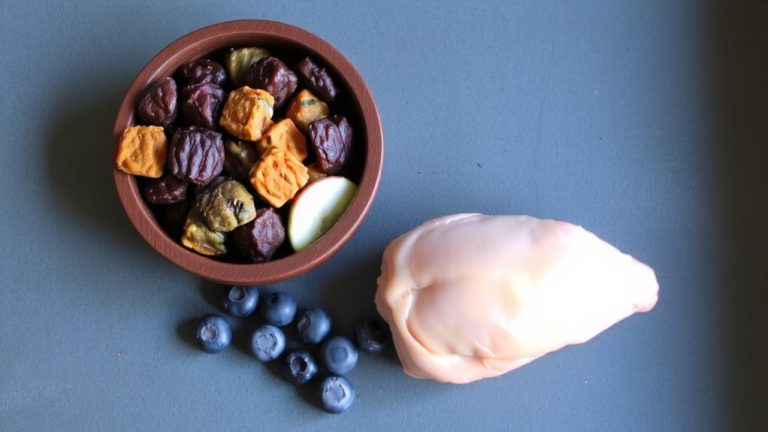
While your cat’s diet plays a central role in urinary health, you can take proactive steps by adding cranberries and upping hydration through smart food choices. Cranberries contain proanthocyanidins that help prevent bacteria from sticking to the urinary tract, boosting protection. Look for cranberry extract in ingredient lists-effective at 0.1% to 1%. Wet foods are natural hydration boosters, delivering 70–80% moisture to dilute urine and reduce crystal risk. Add water-soluble fibers like psyllium or electrolytes to further support urine volume and pH balance. Feeding cranberry-enhanced wet food 2–3 times weekly promotes long-term urinary health.
| Feature | Benefit |
|---|---|
| Cranberries | Block bacterial adhesion in the urinary tract |
| Wet food | Provides 70–80% moisture for natural hydration |
| Hydration boosters | Increase urine volume, reduce crystal formation |
| Psyllium fiber | Supports healthy urine pH and digestion |
| Regular use | Enhances urinary health in prone cats |
Ensure Complete Nutrition for Urinary Health
A complete and balanced diet is your best tool for supporting strong urinary health in cats, so always pick a food with an AAFCO statement verifying it meets nutritional standards for your cat’s life stage. This guarantees nutritional adequacy, meaning your cat gets essential nutrients without excesses that could harm the urinary tract. The American Feed Control Officials set these standards to help you choose wisely. Look for formulas labeled “complete and balanced” and check for controlled magnesium (under 1.5% dry matter) and phosphorus (less than 1.0%) to reduce crystal risks. Slightly acidic urine (pH 6.0–6.5) is ideal, and high-quality animal proteins like chicken or salmon help maintain it. Wet food is a must-its 70–80% moisture boosts hydration, dilutes urine, and supports urinary function.
On a final note
Pick wet food with 75%+ moisture to flush urinary crystals, choose formulas with balanced magnesium, phosphorus, and calcium-under 1.5%, 0.8%, and 0.6% dry matter, respectively-and prioritize animal proteins like chicken or turkey to maintain ideal urine pH around 6.2–6.6. Skip corn and soy. Add cranberry extract and always guarantee full AAFCO nutrition for long-term urinary health.