How to Secure Loose Roof Vents That Pets Might Investigate
Check your roof vents for gnaw marks, droppings, or loose screening, especially around soffits with gaps as small as ¼ inch. Secure them with quarter-inch hardware cloth or galvanized steel mesh, fastened tightly using corrosion-resistant staples or screws. Use GAF Master Flow Chimney Caps or stainless steel box screens to block squirrels and raccoons. Trim tree branches 6–8 feet from the roofline, and seal gaps to keep pests out-your next step reveals even stronger, long-term fixes.
We are supported by our audience. When you purchase through links on our site, we may earn an affiliate commission, at no extra cost for you. Learn more. Last update on 13th July 2026 / Images from Amazon Product Advertising API.
Notable Insights
- Inspect roof vents for gnaw marks, scratches, or droppings indicating animal activity near openings as small as ¼ inch.
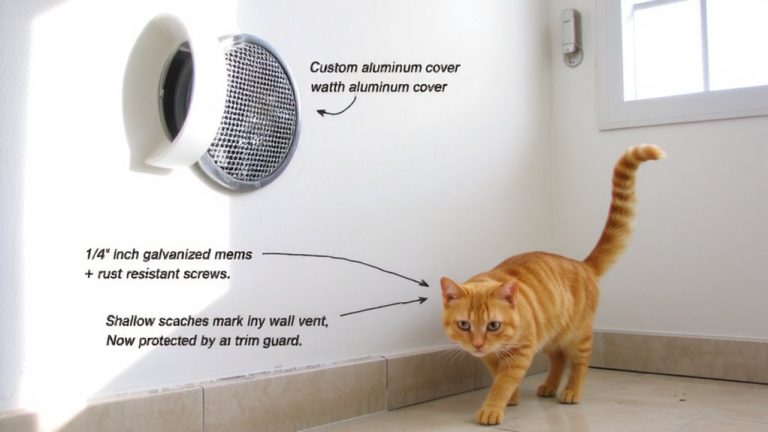
- Replace damaged plastic or weak screening with quarter-inch hardware cloth or galvanized steel mesh for durability.
- Secure mesh tightly over vent openings using corrosion-resistant staples or screws, ensuring full coverage without restricting airflow.
- Install critter-proof vent covers like GAF Master Flow or stainless steel models to block pets and pests effectively.
- Trim tree branches 6–8 feet from the roofline to prevent pets and animals from reaching loose roof vents.
Inspect Roof Vents for Animal Entry Signs
While you’re up on the ladder checking your roof vents, keep an eye out for telltale signs animals may have moved in, because even small damage can lead to big problems down the line. Animals like rodents, squirrels, and raccoons often target roof vents as entry points-inspect carefully. Look for gnaw marks around soffit vents, especially near openings just ¼ inch wide, which mice can squeeze through. Check for claw scratches, droppings, or nesting materials inside or near vents. Bats may leave dime-sized holes and corrosive guano. Inspect all vent covers for loose screening or torn mesh-plastic and weak wire won’t deter determined pests. Damaged gable or soffit vents are common trouble spots. Entry signs like these mean animals could already be inside, risking insulation damage and wiring hazards. Stay proactive: a full visual check every few months helps catch issues early and keeps your home, and pets, safer.
Why Animals Target Roof Vents: and How to Stop Them
Roof vents are a magnet for critters looking for a cozy spot to raise a family, and it’s no surprise why-these openings lead to warm, dry spaces perfect for nesting, especially when fall cools down or spring mating season kicks in. Animals in roof vents, like squirrels and raccoons, exploit loose vents and weak spots in soffit and fascia to nest inside. Bats slip through dime-sized gaps, making every unsecured vent an open invitation. To prevent animals, seal all animal entry points before active seasons. Reinforce with metal mesh or screening, preferably quarter-inch hardware cloth, which resists chewing and tearing. Upgraded vent models with built-in animal-resistant screens also help secure your roof without sacrificing airflow.
| Animal | Entry Size | Best Barrier |
|---|---|---|
| Bat | 0.5″ | 1/4″ hardware cloth |
| Squirrel | 1.5″ | Metal mesh or screening |
| Raccoon | 3″ | Reinforced soffit |
| Bird | 2″ | Vent cap with screen |
| Rodent | 0.25″ | Sealed loose vents |
Secure Roof Vents With Metal Mesh (Step-By-Step)
If you’re serious about keeping critters out of your attic, securing loose roof vents with metal mesh is one of the most effective steps you can take. Use quarter-inch hardware cloth or galvanized steel mesh to secure roof vents, especially on gable, ridge, or turbine openings-this keeps raccoons, squirrels, and birds from chewing through. Cut the mesh a few inches larger than the vent, then fasten it tightly with corrosion-resistant staples or screws to prevent gaps. Be careful during mesh installation: don’t block airflow, as proper ventilation is critical to avoid moisture buildup and fire hazards. The mesh should lie flat and fully cover the opening without restricting air movement. Inspect these barriers twice a year during roof inspections-loose or torn sections could let bats or mice back in. Quality hardware cloth holds up, stays rigid, and keeps your home secure long-term.
Top Animal-Proof Vent Covers for Airflow
A top choice for keeping animals out while maintaining strong airflow is the GAF Master Flow Chimney Cap, which comes with a built-in quarter-inch screen that blocks raccoons, birds, and squirrels without slowing down ventilation, and it’s proven to hold up in heavy rain and high winds. This chimney cap is one of the most reliable animal-proof vent covers available. You can also install stainless steel box screens or use hardware cloth with quarter-inch galvanized steel mesh around roof vents to prevent animals effectively. These materials resist chewing and weather damage. Critter-proof vent covers with internal filters, like certain GAF roof vents, add extra protection against pests, snow, and debris. Totally enclosed models in heavy-duty plastic or metal work well for ridge and gable vents. Together, these solutions keep your roof vents safe, functional, and rodent-free.
Trim Tree Branches Near Roof Vents
While keeping your roof vents secure, don’t overlook the role tree branches play in giving animals easy access, especially when they’re within 6 to 8 feet of your roofline-this narrow gap is all a squirrel needs to leap onto your roof and start exploring loose or unprotected vents. Trim branches to maintain at least 6 feet of clearance, so overhanging branches won’t damage shingles or create potential entry points. A nearby tree with limbs close to roof vents lets raccoons and squirrels keep animals out naturally. Untrimmed tree branches can scratch shingles and cause damage to your home, especially when snow adds weight in winter. Regularly trim branches to prevent future problems.
| Risk | Solution |
|---|---|
| Overhanging branches near roof vents | Trim branches to 6–8 ft clearance |
| Nearby tree access to shingles | Prevent entry and damage to your home |
Stop Re-Entry: Seal Vent Gaps With Steel
Steel mesh isn’t just a fix-it’s your best defense against sneaky critters looking to reclaim your roof vents, and you’ll want to act fast once those gaps are exposed. To seal vent gaps effectively, use quarter-inch hardware cloth or stainless steel mesh-rodents and bats can squeeze through openings as small as a quarter-inch. Don’t rely on plastic or aluminum; squirrels and raccoons will tear right through. Instead, secure heavy-duty steel mesh with corrosion-resistant screws to prevent re-entry and withstand weather and curious pets. Avoid sealants alone-they crack over time. Pair them with steel screening for lasting protection. Install commercial-grade, totally enclosed steel vent covers to maintain airflow while blocking rodents, bats, raccoons, and squirrels. This combo keeps your home secure, vents functional, and pets safe from wildlife encounters-no guesswork, just proven, durable defense you can trust.
Call a Pro for Roof Vent Animal Proofing
When it comes to keeping raccoons, squirrels, and bats out of your attic, you can’t afford to cut corners-especially if your roof vents are loose or lack proper quarter-inch hardware cloth screening. You’ll want to call a pro who knows how to install commercial-grade stainless steel mesh and screening over large openings that critters can chew through. A licensed professional to remove nests and clean contamination will team up with animal removal experts to guarantee safe, thorough exclusion. They’ll use steel to seal gaps and recommend GAF Master Flow Chimney Caps or totally enclosed vents for lasting airflow without entry points. IKO and GAF-certified contractors often provide up to 50-year warranties on animal proofing, combining quarter-inch hardware cloth with expert installation for peace of mind.
On a final note
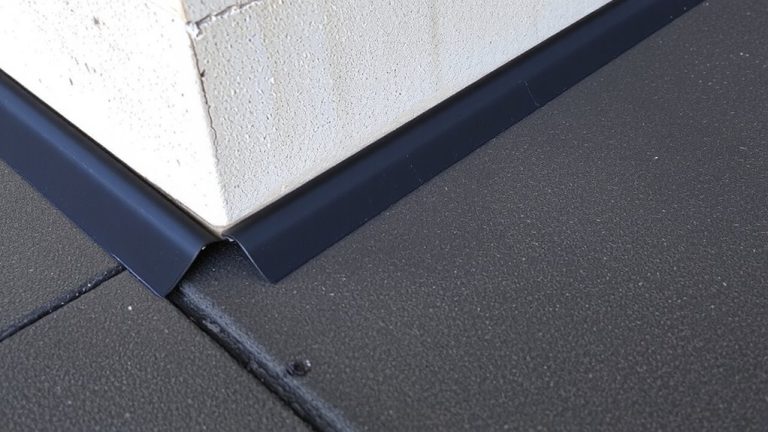
Keep your roof vents secure by using 1/4-inch galvanized steel mesh, tested to resist chewing and clawing, and pair it with animal-proof covers like the Vent Sentry Pro, which allows full airflow while blocking entry. Trim branches within 6 feet of vents, seal gaps with steel flashing, and inspect twice yearly. These steps protect your pet, maintain ventilation, and prevent costly damage-simple, proven, and effective.