Symptoms and Care for Dogs With Canine Distemper-Induced Seizures
Your dog’s seizures from distemper start with jaw twitching and drooling, then progress to limb paddling because the virus attacks the brain and spinal cord, causing inflammation and nerve damage. Keep your dog on the floor, time the episode, and never put your hands near its mouth. Seizures lasting over 5 minutes or clusters within 24 hours need immediate vet care. Chewing-gum fits and nystagmus are common, and while anticonvulsants may help, outcomes worsen with severe neurologic signs-knowing what comes next helps you respond with confidence.
We are supported by our audience. When you purchase through links on our site, we may earn an affiliate commission, at no extra cost for you. Learn more. Last update on 19th July 2026 / Images from Amazon Product Advertising API.
Notable Insights
- Canine distemper causes seizures due to viral invasion of the central nervous system, especially in unvaccinated puppies under six months.
- Distemper-induced seizures often include chewing-gum fits, jaw twitching, limb paddling, and drooling, sometimes preceded by myoclonus.
- During a seizure, keep the dog safe, avoid restraint, never put hands near the mouth, and record symptom details and duration.
- Seek immediate veterinary care if seizures last over 5 minutes or occur multiple times within 24 hours.
- Prognosis is poor with severe neurological signs; euthanasia may be considered if seizures are uncontrolled and quality of life declines.
What Causes Seizures in Dogs With Distemper?
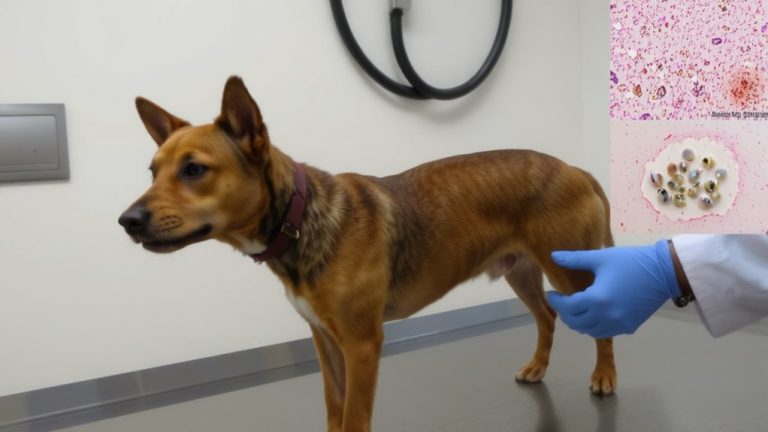
While the canine distemper virus primarily starts with respiratory and gastrointestinal signs, it’s when the virus invades the central nervous system that you’ll likely see seizures-especially in unvaccinated puppies under six months. The virus triggers inflammation and demyelination in the brain and spinal cord, leading to neurologic signs like myoclonus, which are involuntary twitches that often precede full seizures. These twitches can progress to status epilepticus, a life-threatening condition. Focal or generalized CNS involvement means seizure type and severity vary, but chewing-gum fits-a telltale rhythmic jaw movement with drooling-are common. Up to 50% of infected dogs develop seizures due to the virus’s neurotropism. Vaccination prevents this; without it, unvaccinated puppies face the highest risk. Early veterinary care, supportive treatment, and infection control are critical to improving outcomes when distemper strikes.
What Do Distemper-Induced Seizures Look Like?
Visualize this: your dog’s jaw starts twitching like he’s chewing invisible gum, drool strings between his teeth, and his legs paddle as if swimming in place-this is the classic “chewing-gum fit” seen in distemper-induced seizures. These jaw movements are hallmark neurologic signs in dogs with distemper, often appearing in the infection’s later stages. Alongside chewing-gum fits, your dog might experience muscle twitching, nystagmus (rapid eye movements), or full convulsions affecting the entire nervous system. Seizures can occur after initial symptoms like fever or respiratory discharge fade. Some dogs have isolated seizures, while others show recurring neurologic signs. Though distemper affects each dog differently, seizures signal serious nervous system involvement. Most dogs with these symptoms face long-term complications, including chronic muscle twitching or permanent damage. Early recognition of these signs helps guide care, but the prognosis remains guarded once seizures develop.
What to Do When Your Dog Has a Seizure
Seeing your dog experience a chewing-gum fit or full-body seizure can be frightening, but staying calm and acting quickly makes a real difference in keeping them safe. During a seizure, move other pets and children away, keep your dog on the floor, and never restrain them. Avoid the mouth-those jaw (chewing-gum) movements are involuntary and you could get bitten. Speak softly, reduce lights and noise, and time the episode. Note if it involves movements of the jaw, limb paddling, or compulsive movements like head pressing or continual pacing-these neurologic signs point to central nervous system involvement.
| Symptom | Duration | Action Needed |
|---|---|---|
| Chewing-gum fits | <5 min | Monitor closely |
| Seizure with paddling | >5 min | Call vet now |
| Recurrent seizure | Multiple in 24h | Emergency care |
| Incoordination | Ongoing | Vet assessment |
| Head pressing or continual pacing | Persistent | Central nervous evaluation |
Contact your vet immediately if signs suggest progressive forms of neurologic damage.
Recovery Chances and Euthanasia Decisions
How do you know when it’s time to say goodbye? When your dog has canine distemper, the recovery chances drop sharply if they develop severe neurologic signs. About half of infected dogs don’t survive, especially with intractable seizures or progressive neurological decline. If seizures keep coming despite anticonvulsant therapy, or if your dog shows symptoms like “chewing-gum” fits or limb paddling, long-term damage is likely. Many dogs that survive face lifelong nervous system damage, including chronic distemper encephalitis, which can cause compulsive behaviors and worsening incoordination. Even vaccinated dogs aren’t fully protected. When quality of life slips-frequent seizures, no response to treatment, or ongoing decline-euthanasia becomes a compassionate choice. It prevents prolonged suffering and honors your dog’s comfort over hope.
On a final note
You’ve got this-monitoring your dog closely, giving prescribed meds like phenobarbital if vet-approved, and keeping seizures under 2 minutes is critical. Use a cool mat, dim lights, and time each episode. Most dogs need high-calorie, vet-recommended food like Hill’s™ Recovery diet, fed in small, frequent meals. Hydration matters-offer Pedialyte®-diluted water. Work closely with your vet; recovery varies, but quick care improves outcomes.