Best Ways to Prevent Escape in a Hamster Cage With Secure Latches and Ventilation
Check your hamster’s enclosure weekly for gaps, chew marks, or loose latches, especially with Syrians or escape-prone dwarfs. Secure all lids with bulldog clips or metal locks, use mesh no larger than 1 cm², and guarantee bar spacing stays under 1.3 cm. Upgrade to a 40-gallon breeder tank or chew-resistant bin with solid acrylic sides and a screen lock. Reinforce weak spots with hardware cloth and silicone, and you’ll soon discover even the sneakiest houdinis can’t outsmart a properly fortified setup.
We are supported by our audience. When you purchase through links on our site, we may earn an affiliate commission, at no extra cost for you. Learn more. Last update on 19th July 2026 / Images from Amazon Product Advertising API.
Notable Insights
- Inspect the cage weekly for gaps, chew marks, and latch security to catch potential escape routes early.
- Upgrade to a solid enclosure with chew-resistant materials like thick acrylic or polypropylene to prevent gnawing through seams.
- Secure mesh lids with four metal binder clips or weights to prevent lift-off while maintaining ventilation.
- Use mesh with openings no larger than 1 cm² and wire bars spaced no more than 1.3 cm apart for safety.
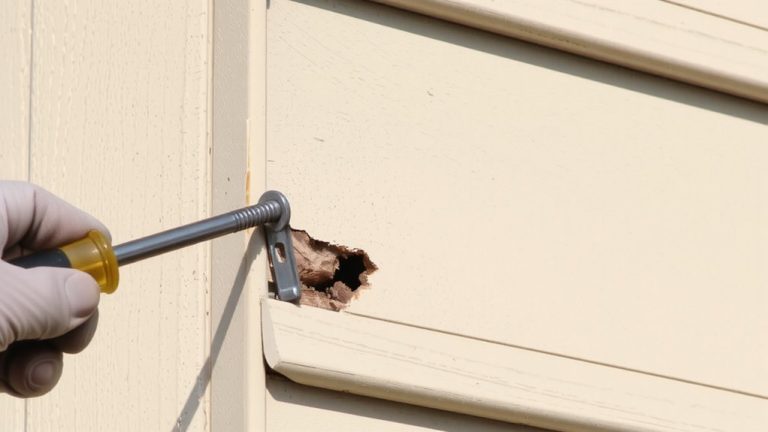
- Reinforce weak points with metal brackets and aquarium-safe silicone, especially in wood or plastic areas prone to chewing.
Find And Fix Your Hamster’s Escape Route
While your hamster might seem small and contained, even a 1 cm² gap can become an escape route if left unchecked, so it’s critical to inspect the cage weekly for weak points. Check the bars of the cage for wide spacing, and guarantee wire mesh openings are no larger than 1 cm to prevent squeezing. Use bulldog clips or metal cage locks instead of flimsy plastic ones-hamsters can easily undo them. Secure lid placement is crucial; weigh down tank cage lids with books or secure them tightly to stop lifting. Reinforce wooden corners with metal brackets, especially if you offer chew toys, as persistent Syrian hamsters can gnaw through weak spots. Immediately repair chewed plastic bases with aquarium-safe silicone. A secure lid and sturdy cage locks aren’t just backups-they’re essential layers of defense. Stay proactive, because a single unnoticed gap in your cage setup could mean a missing pet by morning.
Upgrade To A True Escape-Proof Enclosure
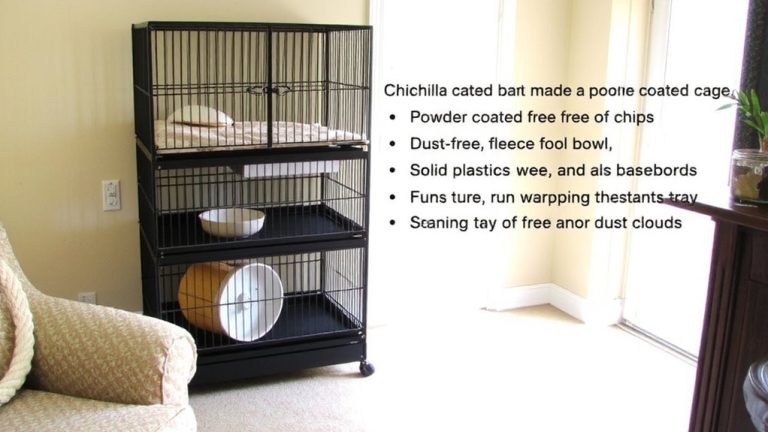
You’ve checked for gaps, reinforced weak spots, and secured every latch-now it’s time to contemplate a complete upgrade if your current cage keeps failing. Consider an upgrade to a true escape-proof enclosure like a 40-gallon breeder tank or an escape-proof plastic bin cage made from thick, chew-resistant polypropylene. These designs prevent your hamster from chewing through weak seams and guarantee the enclosure stays completely sealed. Avoid traditional wire cages-bar spacing wider than 1.3 cm gives a hamster room to squeeze out or get stuck. Opt instead for solid sides and a mesh lid with holes no larger than 1 cm² to securely block escape attempts. Use metal clips or weighted books to secure the enclosure lid firmly in place. A proper hamsters cage keeps your pet safe, supported, and stress-free.
Secure Every Door, Lid, And Opening
A single unsecured latch is all it takes for a clever hamster to make a break for freedom, so take control by locking down every door, lid, and opening with reliable, chew-proof solutions. Hamster Owners know weak plastic latches fail-use bulldog clips or metal locks on all cage doors, especially small access points. Secure mesh lids with openings no larger than 1 cm squared using four binder clips or weights to maintain ventilation and prevent lift-offs. Check wire bar spacing: gaps over 1.3 cm let a hamster squeeze through, turning any cage into an escape risk. Reinforce aquarium lids like the Ferplast Karat with screen locks or zip-tied hardware cloth, and seal weak corners with aquarium-safe silicone. These secure latches and sealed gaps turn standard setups into a best hamster cage for safety, keeping your pet contained and healthy.
Stop Chewing With Reinforced Barriers
Most hamsters chew, and without proper barriers, they’ll eventually gnaw through weak spots in cages like the Pawhut’s thin wooden edges or flimsy plastic bases. To protect your pet hamster, reinforce wood corners with metal brackets-Syrian hamsters especially chew through soft materials. Use aquarium-safe silicone to seal gaps or repair chewed plastic, stopping escape attempts before they happen. When you make your hamster cage, opt for solid tile or acrylic flooring in a bin cage, eliminating chewable base points. Replace weak plastic or thin wood parts with thick acrylic or metal mesh (1 cm squared openings work best). Secure all barriers, making sure nothing flexes under chewing pressure. These steps keep your furry friend safely inside the cage, reduce stress, and extend enclosure life. You’re not just building a cage-you’re building trust.
Inspect Weekly For Gaps And Damage
Regular inspections keep your hamster’s enclosure secure, especially after reinforcing vulnerable spots like wood corners or plastic bases. You should inspect weekly for gaps and damage to guarantee your pet can’t escape. Check that all latches, including bulldog clips or cage-specific locks, are tight and show no signs of tampering. Examine mesh lids for warping or lifted edges, making certain openings don’t exceed 1 cm squared-this keeps chewers from squeezing through. Look for chew marks on plastic, wood, or silicone seals, especially if you have a Syrian or escape-prone hamster. Test bar spacing, as gaps wider than 1.3 cm mean even dwarf or teddy bear hamsters can squeeze out. A sturdy, intact cage means your hamster is less likely to run around loose at night. Stay proactive-weekly checks keep your setup safe and escape-free.
On a final note
You’ve got this-just keep latches tight, bars spaced under 0.5 inches, and chew guards on weak spots. Test locks weekly, use metal bins with 60+ lpi ventilation, and check for chew marks or warping. Real owners swear by IKEA Detolf upgrades and zip-tied wire frames. Prevent escapes with routine checks, proper protein-rich diet to reduce boredom chewing, and secure, well-ventilated homes your hamster can’t crack. Safety first, always.