How to Manage and Prevent Obesity in Cats and Dogs
You can manage and prevent pet obesity by measuring food with an 8-ounce cup to avoid overfeeding, since labels often overestimate needs by 50%. Limit treats to 10% of daily calories-about 20 for a 10-pound cat-and choose high-protein, high-fiber diets your vet recommends. Check your pet’s waistline and ribs monthly, and track weight weekly to catch changes early. Neutered pets and breeds like Labradors need extra care, and active daily play keeps metabolism strong-there’s more to learn about tailoring the right plan.
We are supported by our audience. When you purchase through links on our site, we may earn an affiliate commission, at no extra cost for you. Learn more. Last update on 19th July 2026 / Images from Amazon Product Advertising API.
Notable Insights
- Weigh your pet regularly at home by subtracting your weight from the combined weight to track changes early.
- Feed measured portions using an 8-ounce cup and avoid free-feeding to prevent overeating, especially in cats.
- Limit treats to 10% of daily calories and choose low-calorie, vet-approved options like green beans or puzzle toys.
- Use veterinarian-guided weight loss plans with high-protein, high-fiber diets and set safe, gradual weight loss goals.
- Increase physical activity and adjust food intake post-neutering due to a 20–30% drop in metabolic rate.
Define Pet Obesity and Why It’s Dangerous
You’ve probably heard that too much weight can hurt your pet’s health, but here’s what really matters: pet obesity means weighing over 20% more than their ideal body weight, and it’s not just about looks-it’s a serious health risk. If your pet is 10–20% above ideal, they’re overweight; beyond that, it’s obesity. Over 60% of U.S. cats and dogs fall into these categories based on Body Condition Score (BCS) assessments. Excess fat tissue isn’t inert-it pumps out inflammatory hormones that fuel chronic conditions like diabetes mellitus and worsen osteoarthritis (OA). These health risks don’t just cause discomfort-they can shorten life expectancy by up to 2.5 years. Obesity also drives insulin resistance and hepatic lipidosis in cats. Lean pets live longer, healthier lives, so understanding ideal body weight isn’t optional-it’s essential preventive care.
Check Your Pet’s Weight at Home
How do you really know if your pet’s at a healthy weight? Start by using a simple trick: Weigh your pet at home by stepping on a scale holding them, then subtracting your weight alone to track changes over time. This helps you monitor your pet’s weight between vet visits. Look for a visible waist and a tucked abdomen-signs your pet is at an ideal weight. Ribs should be felt easily but not seen, indicating a body condition score (BCS) of 4–5. Since 61% of cats and 59% of dogs in the United States are overweight or obese, regular checks matter. Use an 8-ounce measuring cup to portion food accurately and avoid overfeeding. If you’re unsure, consult your veterinarian. Tracking your pet’s weight and BCS helps catch issues early and keeps them healthier longer.
Why Cats and Dogs Gain Weight: Diet, Inactivity & Genetics
While genetics and biology play a role, most cats and dogs pack on extra pounds because they’re eating too much and moving too little. You’re likely contributing to weight gain without realizing it-overfeeding, free-choice feeding, and high-calorie treats boost calorie intake beyond what your pet burns. Food intake often exceeds needs by up to 50%, especially since pet food labels can mislead. Inactivity, especially in indoor cats with low natural activity, worsens this imbalance. Neutered pets face a 20–30% drop in metabolic rate, making weight control harder. Genetics also matter-Labradors, Beagles, and Dachshunds are prone to obesity. Even with proper diet and exercise, medical issues can fuel weight gain. Right now, 59% of dogs and 61% of cats in the U.S. are overweight or obese based on body condition score (BCS), highlighting how common obesity in cats and dogs really is.
Build a Vet-Approved Weight Loss Plan
A veterinarian is your best ally in tackling pet obesity, especially since over half of dogs and cats in the U.S. are already overweight or obese based on body condition scoring. Work with your veterinarian to determine your pet’s ideal body condition and set a safe weight loss goal. Your vet will assess your pet’s body condition score (BCS) and recommend the right amount of food and number of calories per day. Measuring your pet’s food with a standard 8-ounce cup guarantees accuracy, since feeding guidelines often overestimate calories per cup by up to 50%. Choose high-protein, high-fiber diets under veterinary supervision to keep pets at a healthy weight. Weekly weigh-ins help track progress. Sticking to a vet-approved plan improves success and keeps your pet on track.
Control Portions and Treats to Prevent Obesity
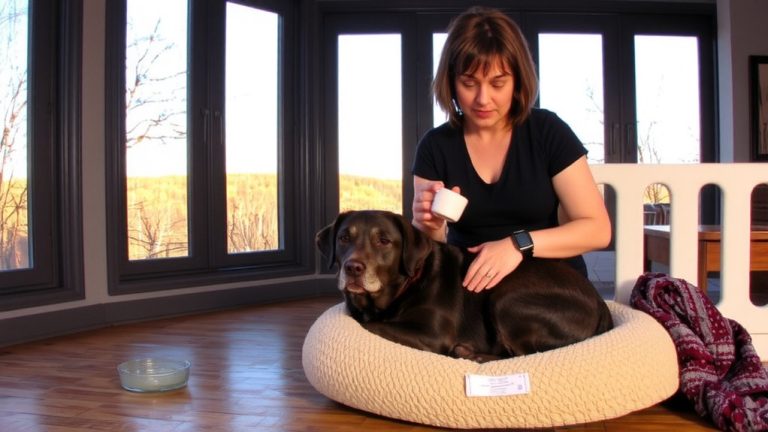
When it comes to keeping your pet at a healthy weight, what you feed matters just as much as how much you feed. To control portions, measure daily food portions with an 8-ounce cup-pet food labels can overestimate needs by up to 50%. For cats, portion meals instead of allowing free-feeding, which can lead to a 33% calorie surplus. Limit treats to no more than 10% of your pet’s calorie intake-about 20 calories a day for a 10-pound cat. Avoid high-calorie table scraps and opt for veterinarian-approved treats like green beans for dogs or treat puzzles for cats. When feeding your pet, use a baby gate or separate area to prevent overeating in multi-pet homes. These steps help manage calorie intake and support long-term health.
Get Your Pet Active Every Day
Regularly getting your pet moving is key to maintaining a healthy weight and supporting overall well-being. For dogs, daily walks, jogs, or play sessions like fetch help manage weight and keep active dogs fit. Even 30 minutes on an underwater treadmill burns just 25 extra calories, so combine exercise with portion control. Cats need at least two 5-minute play sessions daily using fishing pole toys or laser pointers to mimic hunting. Interactive play with enrichment feeders and puzzle toys increases calorie burn and mental engagement. Both cats and dogs benefit from structured activity-use an outdoor enclosure (catio) or leash walks with a harness for indoor cats. These routines support long-term health. You don’t need intense workouts; consistent, engaging movement each day makes the real difference.
On a final note
You’ve got this, pet parent. Check your cat or dog monthly using the body condition score, aim for ribs you can feel but not always see. Feed measured meals-½ cup high-protein kibble twice daily for most 20-pound dogs, or ¼ cup calorie-controlled wet food for cats. Swap high-calorie treats with green beans or Zuke’s Mini Naturals. Walk dogs 30 minutes daily, engage cats with wand toys 10 minutes twice a day-their energy shifts fast.