Recognizing and Treating Feline Eosinophilic Plaque With Topical Therapy
You’ll recognize feline eosinophilic plaque as red, oozing sores with hair loss, usually on the belly or inner thighs, caused by allergic reactions-often flea bites. Treat it topically with 0.0584% hydrocortisone aceponate spray once daily; most cats show less itching and smaller lesions in 1–2 weeks. Use an Elizabethan collar to prevent licking, combine with monthly flea preventatives like fluralaner, and you’ll likely see steady improvement. There’s more to optimizing your cat’s comfort and long-term control.
We are supported by our audience. When you purchase through links on our site, we may earn an affiliate commission, at no extra cost for you. Learn more. Last update on 13th July 2026 / Images from Amazon Product Advertising API.
Notable Insights
- Eosinophilic plaques appear as red, oozing, hairless sores, commonly on the belly or inner thighs.
- Diagnosis involves cytology or biopsy showing eosinophil infiltration, ruling out infections or tumors.
- Topical hydrocortisone aceponate spray (0.0584%) once daily reduces itching and lesion size in 1–2 weeks.
- An Elizabethan collar prevents licking, ensuring topical medication remains effective and uningested.
- Flea control and allergy management are essential to prevent recurrence after topical treatment.
Understanding Eosinophilic Plaque in Cats
Think of eosinophilic plaque as your cat’s skin screaming for relief. In cats, this condition causes red, raised lesions-often on the belly or inner thighs-that are raw, itchy, and tough to ignore. These sores develop when eosinophils, a type of immune cell, flood the skin in response to allergens like flea bites, pollen, or certain foods. Flea bite hypersensitivity is the top culprit, but environmental and dietary triggers play roles too. Diagnosis usually involves skin scraping or fine needle aspiration to spot eosinophils under the microscope, with biopsies confirming the case. Left unchecked, the inflammation worsens. But here’s the good news: glucocorticosteroids like hydrocortisone aceponate applied topically can reduce swelling and stop the itch fast. You’ll see improvement in days, not weeks. For stubborn cases, your vet might recommend systemic treatment. Managing triggers and treating early keeps your cat comfortable, calm, and healing.
How Eosinophilic Plaque Appears on Cats
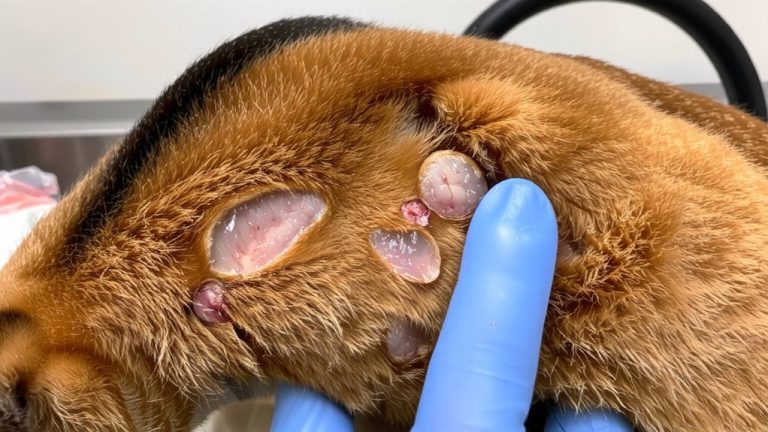
You’ve likely noticed something off about your cat’s skin if you’re seeing raw, inflamed patches-especially on the belly or inner thighs. These are classic signs of eosinophilic plaque in cats. The lesions start as flat, red swellings with sharp borders, often oozing serum from constant licking. Hair loss and ulceration are common, and your cat may obsessively bite the area due to intense itchiness. While plaques typically form on the lower body, they can also appear on limbs or near the genital region-rarely, even on the upper lip. The skin becomes moist and raw from self-trauma, worsening the inflammation. When vets examine smears of the lesion, they usually find大量 eosinophils, a type of white blood cell that confirms the condition. Recognizing these symptoms early helps you seek timely care and relieve your cat’s discomfort before the lesions spread or become infected.
How Vets Diagnose Eosinophilic Plaque
How do vets pinpoint eosinophilic plaque when your cat’s skin is raw and itchy? Your vet starts with a physical exam, looking for flat, red, hairless sores-commonly on the belly or thighs. These signs raise suspicion of eosinophilic plaque, but a definitive veterinary diagnosis requires more. Fine needle aspiration (FNA) may be done first, and if cytology shows lots of eosinophils, it’s a clue-but it’s not conclusive. A skin biopsy is the gold standard, revealing dense eosinophil infiltration in the dermis. This step also rules out differential diagnoses like ringworm, bacterial pyoderma, or tumors. Lab tests and microscopic analysis help exclude other causes. If your cat has intense itching, self-trauma, and possible allergen exposure, the pieces point to eosinophilic plaque. Early, accurate diagnosis means faster relief.
Treating Eosinophilic Plaque With Topical Therapy
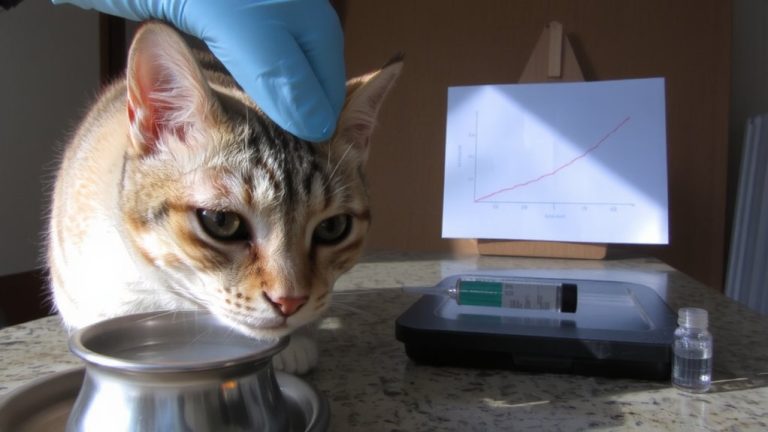
A topical treatment like hydrocortisone aceponate spray can make a clear difference in managing feline eosinophilic plaque, especially when applied once daily at 0.0584% concentration. You’ll likely see reduced pruritus and smaller lesion size within 1–2 weeks, even though the product is labeled for dogs. This topical therapy works best on accessible areas like the abdomen or thighs, where your cat can’t easily lick it off. For effective results, pair hydrocortisone aceponate with strict use of an Elizabethan collar to prevent ingestion. While treating the feline eosinophilic plaque, keep in mind that success depends not just on application but on consistency and protection from self-trauma. You’re targeting both inflammation and discomfort, so stick with the routine. Topical therapy isn’t a standalone fix, but it’s a powerful tool when used correctly.
Addressing Allergies That Trigger Eosinophilic Plaque
Flea bite allergy tops the list of triggers for eosinophilic plaque in cats, so getting ahead of it with a reliable monthly flea preventative like selamectin or fluralaner is non-negotiable. Left unchecked, this single allergen can reignite eosinophilic plaque even after successful topical treatment. You’ll also want to contemplate food allergy, which demands a strict 6–8 week hypoallergenic diet trial using a veterinary-formulated novel protein. Environmental allergens like pollen, dust mites, and mould contribute to atopic dermatitis and can fuel eosinophilic plaque flare-ups, especially during seasonal peaks. Don’t overlook mosquito bite hypersensitivity-outdoor cats are especially vulnerable during warm months. Reducing exposure through indoor confinement at dawn and dusk helps. Pinpointing the culprit with allergy testing and environmental adjustments can markedly reduce lesion recurrence.
When to See the Vet for Eosinophilic Plaque
Wondering when that persistent red patch on your cat’s belly means it’s time to call the vet? For cats with eosinophilic, early vet visits are key. If you notice clinical signs like intense itching, open sores, or spreading lesions, don’t wait-especially if your cat’s medical history includes allergies or past skin issues. These plaques often stem from an underlying cause like flea, food, or environmental allergies, and only a vet can pinpoint it. When to see the vet also includes situations where the area becomes infected, thickened, or unresponsive to basic care. Your vet may perform cytology or a biopsy to confirm diagnosis and rule out fungal infections or tumors. Prompt care prevents worsening, reduces discomfort, and supports faster healing. Early intervention means better outcomes, so trust your instincts and seek help when something’s off.
On a final note
You’ve got this-eosinophilic plaque is manageable with consistent topical therapy like 0.016% topical tacrolimus applied twice daily, as vet-recommended. Always pair treatment with allergen control, such as switching to hypoallergenic diets or using flea preventives like Revolution®. Most cats show improvement within 7–10 days, per clinical feedback. Keep lesions clean, avoid licking with an e-collar, and never skip follow-ups-early action prevents thickened, chronic sores.