Best Ways to Prevent Escape in a Rat Cage With Tight-Fitting Lids and Locks
Use 1/2-inch hardware cloth instead of chicken wire, securing it every 3–4 inches with heavy-duty zip ties to block gaps. Install double-locking latches on all doors and pair tight-fitting lids with S-binder clips to prevent nudging open. Reinforce chew-prone zones like corners and bases, replacing plastic ties fast if gnawed. Supervise play in enclosed, rat-proof areas daily. You’ll find even smarter setups build on these proven fixes.
We are supported by our audience. When you purchase through links on our site, we may earn an affiliate commission, at no extra cost for you. Learn more. Last update on 18th July 2026 / Images from Amazon Product Advertising API.
Notable Insights
- Use 1/2 inch hardware cloth secured every 3–4 inches with heavy-duty zip ties to block small gaps and prevent chewing escapes.
- Install double-locking mechanisms on all doors and test them weekly for tampering or wear.
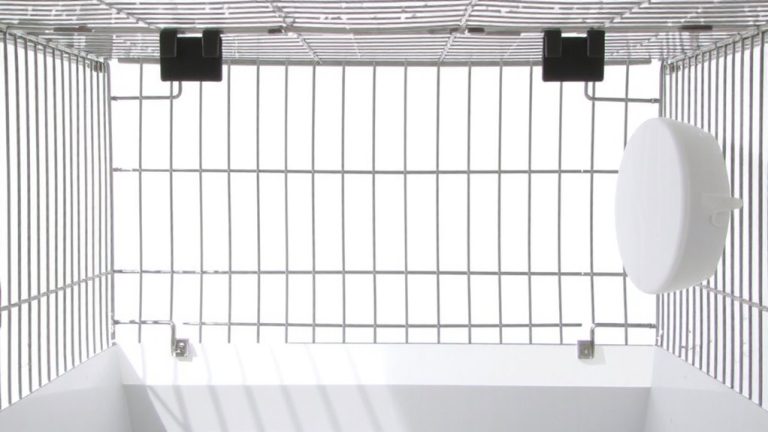
- Ensure lids fit tightly against the frame and reinforce warped edges with zip ties or metal clips.
- Position S-binder clips high and inward on lids to prevent rats from accessing and unlatching them.
- Immediately replace chewed zip ties and reinforce gnaw-prone areas like corners and bases with extra fasteners.
Secure Rat Cages With Locking Mechanisms and Tight-Fitting Lids
A secure cage starts with a solid build, and that means upgrading to hardware cloth with a 1/2 inch mesh to cover any gaps in bars or doors-rats as small as Farris have slipped through wider openings, so anchor the cloth every 3 to 4 inches with heavy-duty zip ties to keep it taut and tamper-resistant. When securing your cage, never rely on a single latch, especially with Critter Nation models, where misaligned doors often lead to rats escape. Use double-locking mechanisms on all doors and test them by gently shaking the enclosure-flimsy latches fail fast. Make sure lids sit flush against the frame, reinforcing warped edges with extra zip ties or metal clips. Inspect hinges and locking points weekly, since even slight wear gives clever rats an opening. A tight-fitting lid isn’t enough if locks aren’t redundant and secure, so upgrade weak latches and stay one step ahead of your escape artists.
Block Gaps in Wire Cages Using 1/2-Inch Hardware Cloth
Since standard wire cages often have bar spacing wide enough for small or clever rats to squeeze through, reinforcing them with 1/2-inch hardware cloth is a smart, proven fix that keeps even the tiniest escape artists contained. This durable mesh stops rats from attempting to escape the cage, especially young males and petite females who exploit weak bar spacing. Unlike flimsy chicken wire, hardware cloth resists chewing and maintains airflow. Secure it tightly with zip ties every 3–4 inches, then trim sharp edges and melt zip tie ends to protect your pets.
| Feature | Benefit |
|---|---|
| 1/2-inch hardware cloth | Prevents rats from squeezing through gaps |
| Secure zip ties | Guarantees a chew-resistant, snug fit |
| Trimmed edges | Protects rats from injury |
| Tight weave | Stops escape attempts without blocking ventilation |
Reinforce Chew-Prone Areas With Zip Ties and S-Binder Clips
You’ve blocked the gaps with 1/2-inch hardware cloth, but chew-prone areas like cage bases and corners still pose a risk-rats gnaw to explore, exercise their teeth, and test boundaries, so reinforcing these zones is non-negotiable for long-term safety. Use heavy-duty zip ties every 3 to 4 inches to secure hardware cloth, preventing small escape routes from forming. Trim tie ends flush and melt the tips with heat to avoid injury. Replace plastic ties immediately if you notice rats chewing-determined escape artists can break through in under 24 hours. Add S-binder clips to reinforce weak zones, attaching metal trays or extra hardware cloth for removable, chew-resistant barriers. Position clips inward and high on walls so rats can’t reach them, ensuring a secure hold. These steps stop escape attempts before they start, keeping your pets safe, contained, and healthy.
Stop Rats From Chewing Through Cage Material
Chewing isn’t just natural behavior-it’s a full-time job for rats, who’ll test every corner of their cage for weaknesses. If you’ve got a new cage, don’t wait to reinforce it-rats can chew through plastic bases in just weeks, and 4-month-old ones have escaped through dime-sized holes. Ditch chicken wire-it’s too soft. Instead, use 1/2 inch hardware cloth made of galvanized steel, which resists teeth far better. Secure it with strong zip ties every 3–4 inches to keep rats from gnawing the fasteners. Check ties regularly; some rats chew through them in days. Pair metal trays from Amazon with an inner plastic base for extra durability. This combo keeps the floor chew-proof and safer for your hiding spot setups. Doing this right the first time saves stress later and keeps your rats where they belong-inside, safe, and busy with toys, not escape plans.
Supervise Playtime to Prevent and Respond to Escapes
While your rats may seem content exploring their cage, they’ll seize any chance to slip through gaps the moment you turn your back-making close supervision during playtime non-negotiable. Aim for at least 1–2 hours of supervised playtime daily to fulfill their need for exploration and reduce escape motivation. Use enclosed, rat-proofed areas with tall barriers and no openings smaller than 0.5 inches, as even baby rats can squeeze through tiny gaps. Keep tunnels, toys, and familiar bedding in the zone to create engaging hiding places that hold their attention. Make sure you stay alert-escapes happen in seconds if you get distracted. If a rat does escape, return them calmly and observe for at least one hour to guarantee they settle. Make sure all play sessions end on a positive note to reinforce safe behavior.
On a final note
You’ve got this: secure your rat cage with a tight-fitting, lockable lid to block escape routes, and reinforce wire gaps using 1/2-inch hardware cloth-testers confirm it stops squeezing. Use zip ties and S-binder clips on chew-prone corners, since rats gnaw through plastic and soft metal. Always supervise playtime, keep enclosures latched, and check daily for wear. These steps, backed by experienced owners, guarantee a safer, stress-free environment for your pets.