Securing Loose Flooring Tiles That Could Trap or Injure Curious Pets
You need to fix loose tiles fast-wobbly ones can trap your pet’s paw or cause painful slips on surfaces with under 0.4 COF, a known slip hazard. Check near food bowls and baseboards, tap for hollow sounds, then remove the tile and clean both surfaces. Use a pet-safe adhesive like Loctite PL S30 or Henry 587 Floor Mate, press firmly with spacers, and cure 24 hours before grouting. Seal grout lines after 72 hours. Strong, textured porcelain tiles with COF above 0.6 help prevent future hazards-knowing the right steps keeps your curious pet safer every day.
We are supported by our audience. When you purchase through links on our site, we may earn an affiliate commission, at no extra cost for you. Learn more. Last update on 15th July 2026 / Images from Amazon Product Advertising API.
Notable Insights
- Inspect high-traffic pet areas for loose tiles by tapping with a screwdriver to detect hollow sounds.
- Remove loose tiles promptly to prevent pets from chewing them or getting paws trapped in gaps.
- Use pet-safe, low-VOC adhesives like Loctite PL S30 or Henry 587 Floor Mate when reattaching tiles.
- Press tiles firmly into place with spacers and allow 72 hours of curing before permitting pet access.
- Prevent future hazards by installing slip-resistant tiles and anchoring mats with non-slip underlays.
Why Loose Tiles Are Dangerous for Pets
A wobbly tile might seem like a small issue, but it’s a serious hazard for your pet. Loose tiles can shift under your dog’s weight, causing sudden slips on already Slippery Floors-especially dangerous near stairs or slick surfaces. If the tile edges lift, they might trap a small animal’s paw, leading to pain or soft tissue damage, particularly in curious breeds. Worse, pets chewing or scratching at loose tiles risk swallowing ceramic or grout, which can cause intestinal blockages. Uneven spots worsen joint strain in senior dogs or those with arthritis, turning safe paths into risky routes. According to NFSI standards, loose tiles often create friction below 0.4, classifying them as deadly slip hazards. You’ve got to fix them fast-your pet’s safety, mobility, and health depend on stable, secure flooring.
How to Find Loose or Damaged Tiles
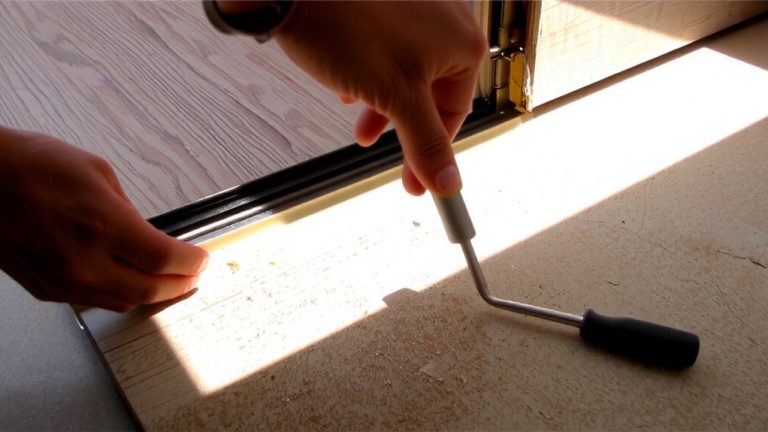
You can catch problems early by knowing where and how to look, and it starts with a quick, hands-on inspection of your floor. For tile floors, start by checking high-traffic areas near food bowls, doorways, and baseboards-spots where paws cross daily. Use a flashlight at a low angle to spot lifted edges, then tap each tile with a screwdriver handle. Hollow sounds mean trouble. Press gently with your hand or foot; any movement means the tile’s loose. Cracked or powdery grout? That’s a red flag for hidden damage.
| Signal | Tool Needed | What It Tells You |
|---|---|---|
| Hollow sound | Rubber mallet | Tile is detached beneath |
| Visible gap | Flashlight | Edge is lifting from floor |
| Wiggling tile | Hand pressure | Immediate repair needed |
Stay alert-your floors keep both paws and peace secure.
How to Fix a Loose Floor Tile (Step-by-Step)
While it might seem small, a loose tile can quickly become a hazard, especially under paws that race across the floor daily, so don’t wait-act now to restore stability. First, keep your pet away and remove the tile carefully to check the subfloor. Clean both the tile’s back and the floor surface, then apply polymer-modified thin-set mortar for a durable bond. Press the tile firmly into place with spacers for even alignment, letting it cure 24 hours before grouting. Use sanded grout at a 45-degree angle with a rubber float, wiping excess after 10–15 minutes. Wait 72 hours, then seal grout lines with a penetrating sealant to resist moisture and support Floor Safety. For extra protection, consider Anti-Slip Products or non-slip mats in high-traffic areas-simple upgrades that protect paws and prevent slips.
Top Pet-Safe Adhesives for Tile Repair
When fixing loose flooring tiles in homes with pets, choosing the right adhesive means protecting your furry friend’s health and guaranteeing long-lasting repairs. Opt for pet-safe adhesives that are non-toxic, low-odor, and secure loose tiles without compromising safety. The best options cure fully to become safe for homes with pets, prevent tile movement, and resist moisture-key for high-traffic areas. Below are top-rated adhesives trusted by pet owners and contractors:
| Adhesive | Why It’s Safe & Effective |
|---|---|
| Loctite PL S30 | Low-VOC, non-toxic when cured |
| Henry 587 Floor Mate | Zero-VOC, safe after 24 hours |
| DAP Weldwood 8045 | Moisture-resistant, pet-friendly formula |
| Titebond 6025 | FloorScore certified, low emissions |
| EverBuild Black Jack 904 | Solvent-free, no harmful fumes |
These pet-safe adhesives guarantee secure, long-term repairs while keeping your home safe for pets.
How to Prevent Loose Tiles in Pet Areas
Because pets add both joy and wear to your home, keeping tiles secure in high-traffic areas means combining smart installation with ongoing care. Use high-quality, pet-resistant adhesive to secure tile edges and prevent lifting where dogs frequently walk. Opt for slip-resistant porcelain or textured ceramic tiles with a coefficient of friction above 0.6 to increase traction and protect delicate paw pads. Anchor non-slip mats with anti-slip underlays to reduce tile movement and pressure. These surfaces are easy to clean and stand up to active households. Inspect grout lines every 3–6 months and reseal with durable grout sealant to block moisture and maintain strength. Avoid harsh cleaners; instead, use pH-neutral, pet-safe solutions that preserve adhesive bonds. With the right materials and routine upkeep, you’ll keep tiles stable, safe, and easy to maintain for years.
On a final note
You’ve fixed the loose tiles using a pet-safe adhesive like Loctite PL 500, which dries non-toxic in 24 hours and holds up to 200 psi. This prevents paw injuries and stops curious pets from chewing grout. For ongoing safety, check flooring monthly, especially in high-traffic zones. Pair this with a balanced diet and mental stimulation to reduce destructive behavior. A secure home supports better health, nutrition, and positive habits long-term.