How to Groom a Cat With a Broken Tail Using Gentle Handling
Check your cat’s tail daily for soiling, redness, or swelling using visual inspection and light finger runs to detect clumps. Use soft-bristle brushes or silicone-tipped grooming gloves on the head, back, and sides only-never use metal combs or stiff tools. Spot-clean with hypoallergenic wipes if needed, avoid water, and limit sessions to 10–15 minutes. Watch for flicking tails or pinned ears to prevent stress. There’s more to learn about keeping your cat comfortable during recovery.
We are supported by our audience. When you purchase through links on our site, we may earn an affiliate commission, at no extra cost for you. Learn more. Last update on 19th July 2026 / Images from Amazon Product Advertising API.
Notable Insights
- Inspect the tail for soiling, redness, or swelling before each session to detect infection or irritation early.
- Use only soft-bristle brushes or grooming gloves to gently remove loose hair without stressing the injury.
- Focus grooming on the head, back, and sides to minimize handling of the injured tail area.
- Clean the tail base with a moist hypoallergenic wipe only when soiled, avoiding full submersion in water.
- Limit sessions to 10–15 minutes and watch for signs of distress like twitching or pinned ears.
How to Groom a Cat With a Broken Tail Safely
While your cat may not feel discomfort in a broken tail due to lost sensation, it’s still essential to keep the area clean and irritation-free with careful, minimal handling. Grooming should be limited to light maintenance-only wipe the tail with moist hypoallergenic wipes or a damp cloth if visibly soiled. Since your cat can’t self-groom this area, check after litter box use to prevent dirt buildup. During brushing, gently remove loose hair along the tail using a soft-bristle brush, but avoid pressure or bending. Never use shampoos or conditioners, as the tail lacks sebaceous activity and is prone to irritation. Avoid forcing it into unnatural positions. Follow your vet’s guidance: if no medical issue exists, grooming stays non-invasive. Focus on hygiene, not aesthetics-your goal is preventing infection, not perfection. Small, consistent care prevents complications.
Check the Tail for Dirt or Irritation First
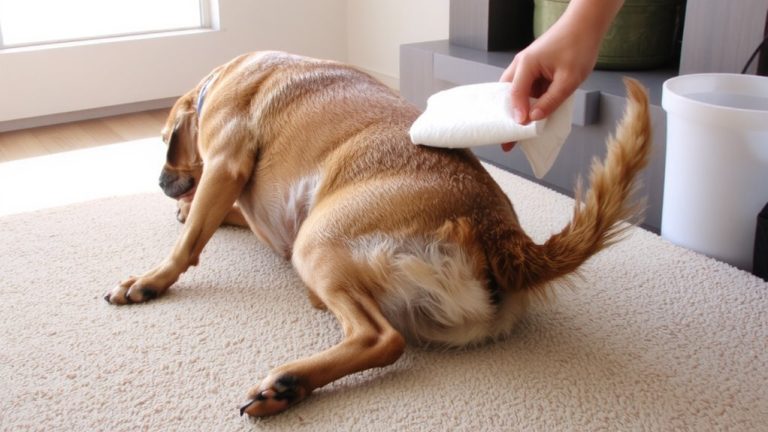
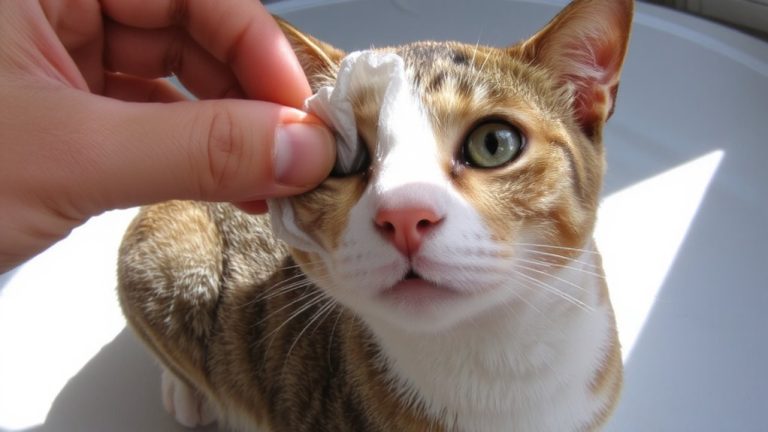
A quick visual check of your cat’s tail should be your first move every time you groom, especially since a broken tail won’t get cleaned naturally through self-grooming. You’ve got to check the tail for dirt or irritation first-look for soiling, matted hair, redness, swelling, or odor. Use a moist hypoallergenic wipe if you spot debris, especially after litter box use, and gently dab the area clean. Avoid submerging the tail or using harsh scrubbing; it lacks sensation and can trap moisture, raising infection risk. Run your fingers lightly along the length to feel for clumps or texture changes from dead coat buildup. Any skin issues or persistent grime should be documented and shared with your vet. Checking early and often helps prevent complications, keeps the skin healthy, and supports your cat’s overall hygiene without stressing the injury site. Stay consistent-you’ll catch problems before they worsen.
Use Soft Tools to Avoid Pressure on the Injury
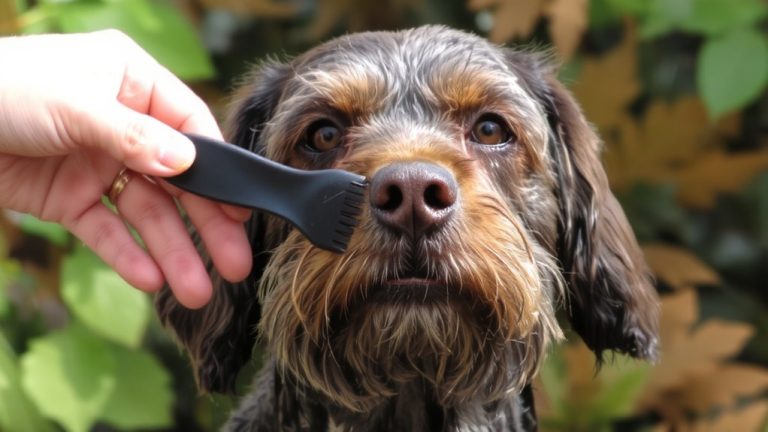
Use a soft-bristle brush or plastic-tipped slicker brush to groom your cat’s broken tail-it’s the safest way to remove loose fur and keep the area clean without risking further injury. The soft-bristle brush gently lifts debris and tangles with minimal contact, while the plastic tips prevent snagging delicate skin. Avoid metal combs or stiff brushes-they can catch fur and unintentionally shift the tail, increasing discomfort or causing skin tears. For light grooming, try a grooming glove; its flexible silicone tips offer controlled, low-pressure de-shedding, ideal if your cat has reduced tail sensation. When cleaning, use moist, hypoallergenic wipes and support the tail with one hand to prevent bending. Stick to short, slow strokes during sessions-this keeps your cat calm and reduces strain. These soft tools protect sensitive tissue, maintain hygiene, and make grooming safer, giving you peace of mind with every stroke.
Focus Grooming on Head, Back, and Sides Only
Keep your cat’s grooming routine safe and stress-free by focusing on the head, back, and sides, where most cats naturally groom themselves and welcome human touch. These areas are also where cat groomers typically concentrate during professional sessions, using plastic-tipped slicker brushes to lift loose hair without pressing into sensitive skin. Start at the head-most cats love being touched there-and gently work backward in smooth strokes. Prioritize the back and sides, especially if your cat is long-haired, since matting often develops in these high-friction zones. Limit sessions to under one hour to prevent overstimulation. Avoid conditioner and shears; they’re unnecessary and could distract from safety. Cat groomers know that skipping the tail entirely reduces risk when it’s non-functional. You’ll keep your cat clean, calm, and comfortable-all while supporting coat health and minimizing stress.
Keep the Tail Clean Without Direct Handling
Even if your cat can’t groom it themselves, you’ll still need to keep the tail clean-just without direct handling that could cause discomfort or injury. During regular grooming sessions, gently brush around the base and sides of the tail to remove loose hair and prevent matting, since your cat likely can’t reach it. Only clean the tail if it’s visibly soiled, using a moist hypoallergenic wipe to lift debris without soaking the area. Avoid full submersion or routine washing, as vets don’t recommend special medical baths. Focus on accessible zones like the head, back, and sides to support overall coat health. Watch for contact with litter or mess, especially post-litter box use, and spot-wipe when needed. This approach keeps the tail hygienic, minimizes stress, and supports healing-all while managing loose hair buildup safely.
Limit Sessions to Prevent Pain and Stress
While your cat is healing from a broken tail, keeping grooming sessions short is key to avoiding unnecessary pain and stress. You should limit sessions to prevent pain and stress, aiming for just 10–15 minutes at a time. Cats with injuries like a broken tail can become agitated quickly, so watch for signs like tail flicking, skin twitching, or pinned ears-stop immediately if you see them. Schedule grooming after meals or naps when your cat’s naturally calmer, improving cooperation without force. Avoid holding or touching the injured tail longer than needed; just do quick, gentle wipes or light brushing for cleanliness. Spread these brief sessions across the week instead of doing one long session, maintaining hygiene while respecting your cat’s limits. This routine supports healing, reduces fear, and keeps your cat comfortable throughout recovery.
When to Call the Vet During Grooming
How do you know when a routine grooming session crosses the line into needing professional help? If your cat shows signs of pain, swelling, bleeding, or discharge from the tail, it’s time to seek veterinary care immediately. Even small sores or skin breakdown can worsen quickly, so don’t wait. If you notice a foul odor, dark discoloration, or tissue that looks dead, these are red flags requiring prompt vet attention to prevent infection. Sudden aggression or crying when touching the tail may signal nerve damage. If hygiene becomes hard to manage-despite daily wiping with vet-recommended wipes-consult your vet. You should always seek veterinary guidance if the injury worsens or fails to improve, even if it was previously considered stable. Early intervention supports healing and comfort.
On a final note
You’ve got this-grooming your cat with a broken tail just takes care and the right tools. Use a soft-bristle brush (like the Hertzko Self-Cleaning Slicker) on their head, back, and sides, avoiding the tail entirely. Clean around the base with a damp microfiber cloth, not direct handling. Keep sessions under 5 minutes to reduce stress. If you spot swelling, discharge, or sudden flinching, call your vet right away-safety first.