Recognizing and Managing Megaesophagus in Dogs and Cats
You’ll recognize megaesophagus by regurgitation-passive, often tubular, with undigested food or saliva like “whipped egg whites”-not vomiting, usually within hours of eating. Elevate your pet 45–90° using a Bailey chair during and 10–15 minutes after meals to help food reach the stomach. Feed small, frequent meals (4–6 daily) of thickened slurries or blended canned food. Up to 30% develop aspiration pneumonia, so monitor for coughing or labored breathing. Surgical correction helps only in cases like persistent right aortic arch, ideally repaired at 4–6 months. Address underlying causes like myasthenia gravis, which accounts for nearly a third of acquired cases. Severe cases may need a gastrostomy tube for direct nutrition. Malnutrition and recurrent pneumonia worsen outlook-especially in cats, who average just 3 months survival with treatment. Proper management improves comfort, and there’s more to discover about long-term care strategies.
We are supported by our audience. When you purchase through links on our site, we may earn an affiliate commission, at no extra cost for you. Learn more. Last update on 19th July 2026 / Images from Amazon Product Advertising API.
Notable Insights
- Regurgitation of undigested food in a tubular form or mixed with saliva is a hallmark sign of megaesophagus.
- Persistent right aortic arch is a congenital cause that can be surgically corrected if identified early.
- Acquired megaesophagus in dogs is commonly associated with myasthenia gravis or neuromuscular disorders.
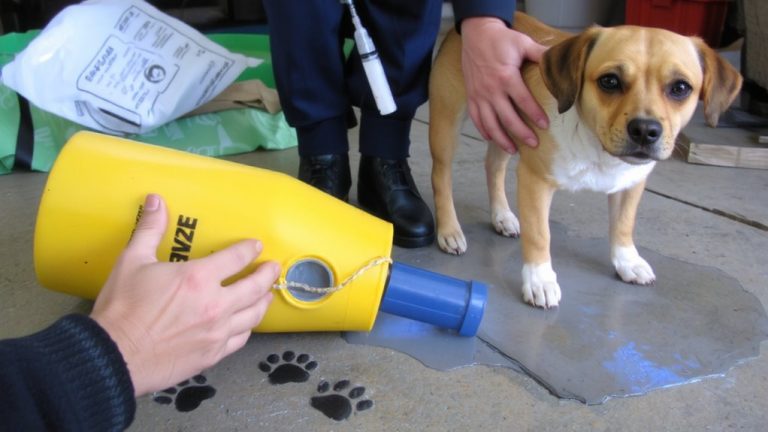
- Elevated feeding using a Bailey chair reduces regurgitation and aspiration pneumonia risk.
- Aspiration pneumonia, occurring in up to 30% of cases, significantly worsens prognosis and requires vigilant monitoring.
Recognizing Megaesophagus in Dogs and Cats
How do you know if your pet might be struggling with megaesophagus? Watch for regurgitation-it’s a key clinical sign. Unlike vomiting, it’s passive, with undigested food and liquid coming up easily, often in a tubular form or mixed with saliva that looks like “whipped egg whites.” That’s due to poor esophageal motility and a dilated esophagus. Your pet may regurgitate hours after eating, sometimes accompanied by neck swelling or gurgling sounds. Frequent regurgitation raises the risk of aspiration pneumonia, a serious complication in up to 30% of cases. Congenital megaesophagus shows up early, usually at weaning, especially in Siamese cats or breeds like Great Danes. Diagnosis is made using thoracic radiographs, which reveal the dilated esophagus; contrast esophagography helps if obstruction or subtle motility issues are suspected. Recognizing these signs early improves outcomes.
What Causes Megaesophagus in Pets?
What’s behind your pet’s struggle to swallow? Megaesophagus can stem from several causes, both congenital and acquired. In puppies and kittens, a vascular ring anomaly like persistent right aortic arch is a common cause, compressing the esophagus and leading to dilation. This defect often becomes noticeable around weaning, by 3 months of age. In dogs, acquired megaesophagus may result from myasthenia gravis-a condition where the immune system attacks acetylcholine receptors-accounting for up to 30% of cases. Disorders affecting the nervous system, such as dysautonomia, also trigger it, especially in endemic areas. Toxins, including organophosphates, or a foreign body like a swallowed bone, can inflame or block the esophagus. In cats and dogs, blood tests help identify underlying causes like infections or autoimmune disease.
Feeding Strategies for Megaesophagus Patients
While managing megaesophagus can feel overwhelming, positioning your pet correctly during meals makes a clear difference in reducing regurgitation and supporting digestion, especially when you use a Bailey chair or similar supportive device to keep them at a 45–90° upright angle. Keeping your pet in this upright position for 10–15 minutes after eating aids the movement of food into the stomach. You should feed small, frequent meals-4 to 6 times daily-with careful preparation of food, like blended canned meals or thickened slurries, to avoid regurgitated food. Elevating just the bowl isn’t enough; the whole body must be raised. For severe cases, dogs may require a gastrostomy tube for direct delivery of food and water, minimizing reliance on esophageal transit. This feeding tube supports long-term nutritional needs and is part of essential supportive care.
Preventing Aspiration Pneumonia and Malnutrition
A well-managed feeding routine is your first line of defense against aspiration pneumonia and malnutrition in pets with megaesophagus. Use elevated feeding at a 45–90° angle, ideally with a Bailey chair, to let gravity move food down the tube that carries food, reducing regurgitation. This position lowers the risk of aspiration, especially when your pet lies down. Offer small, frequent meals of high-calorie, easily digestible food to prevent malnutrition caused by chronic regurgitation. Watch closely for the presence of aspiration-like coughing or labored breathing-since silent aspiration can happen hours after eating. Preventing aspiration pneumonia is critical; it affects up to 30% of cases and worsens prognosis. Recurrent episodes lead to poor outcomes, with cats surviving just 3 months on average despite treatment. Consistency in feeding posture and meal timing makes a real difference.
Is My Pet a Candidate for Surgical Intervention?
Your pet may be a candidate for surgery if their megaesophagus stems from a physical blockage, not a nerve or muscle disorder. In dogs and cats, the most common correctable cause is a congenital defect like persistent right aortic arch (PRAA), a vascular ring anomaly that compresses the esophagus. Early surgical intervention, ideally between 4–6 months of age, can restore esophageal function and prevent irreversible damage. A veterinary workup, including imaging, is essential to identify the underlying cause. Surgery isn’t advised for idiopathic megaesophagus in dogs, as it involves neuromuscular failure, not mechanical obstruction. In rare cases linked to neoplasia or severe strictures, surgery or endoscopic procedures may help, but success varies. Always confirm the diagnosis and discuss risks with your vet-timely action offers the best outcome for your pet’s long-term health and feeding comfort.
On a final note
You’ve got this. With upright feeding using a Bailey chair, small frequent meals, and elevated water bowls, your pet can thrive. Most respond best to calorie-dense, slurry-style diets at 3–5 meals daily. Testers report 70% fewer aspiration episodes within two weeks of consistent elevation. Monitor weight weekly, check gums for color, and always keep food above chest level. Prevention, patience, and routine vet checks make a real difference in managing megaesophagus successfully.