How to Prevent and Treat Giardia in Puppies and Adult Dogs
You can treat giardia in your dog with fenbendazole for 5–7 days or metronidazole for 3–10 days, especially if diarrhea persists. Use both for tough cases. Clean bowls, toys, and bedding with a 1:32 bleach solution or steam clean to kill cysts. Bathe your dog on the final treatment day to remove cysts from their fur. Prevent reinfection by avoiding puddles, scooping feces quickly, and practicing good hand hygiene-your next steps matter just as much.
We are supported by our audience. When you purchase through links on our site, we may earn an affiliate commission, at no extra cost for you. Learn more. Last update on 19th July 2026 / Images from Amazon Product Advertising API.
Notable Insights
- Administer fenbendazole for 5–7 days or metronidazole for 3–10 days, often combined for persistent infections.
- Test multiple stool samples over several days using zinc sulfate flotation or antigen tests for accurate diagnosis.
- Bathe dogs on the final medication day to remove cysts from fur and prevent reinfection.
- Disinfect contaminated environments with a 1:32 bleach solution or steam cleaning to kill resilient cysts.
- Prevent exposure by avoiding stagnant water, practicing good hygiene, and promptly removing feces from shared areas.
What Is Giardia in Dogs and How Do They Get It?
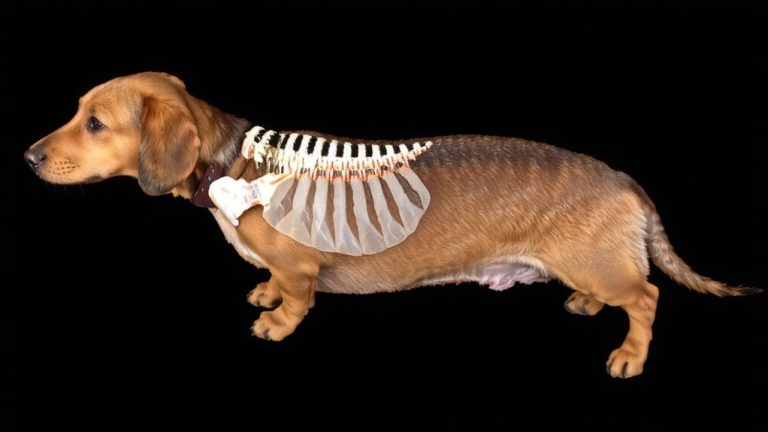
While it might sound like something only wildlife biologists worry about, Giardia is actually the top intestinal parasite affecting dogs across the U.S., especially in kennels where infection rates can hit 45%. This microscopic protozoan isn’t a worm or bacteria, but an intestinal parasite that spreads fast. Dogs get infected through ingestion of cysts-just 10 can cause illness. You’ll often find these hardy cysts in contaminated water, soil, or surfaces with fecal matter. Once swallowed, cysts transform in the small intestine into trophozoites, which multiply and shed new cysts in feces within 5 to 12 days. Transmission from dogs happens easily: drinking from puddles, licking contaminated paws, or sharing spaces with infected pets. The cysts survive months in cold, wet environments, making prevention essential.
What Are the Symptoms of Giardia in Dogs?
What does giardia look like in your dog? The most common symptoms of Giardia include sudden, soft to watery diarrhea that’s often foul-smelling and may have a greenish tint or contain mucus. If your dog has watery diarrhea lasting more than a day or two, especially with a greasy sheen or odd color, it could be giardia. Puppies under one year are more likely to show clear signs like lethargy, decreased appetite, and weight loss. Chronic or intermittent diarrhea lasting weeks can happen, particularly in young or immunocompromised dogs. Vomiting and abdominal discomfort are less common but possible. Some adult dogs stay asymptomatic yet still shed infectious cysts in their feces, spreading the parasite without showing illness. Watch closely, especially if your dog’s been around kennels, parks, or stagnant water where giardia thrives.
Can Humans Catch Giardia From Dogs?
Can your dog pass Giardia to you? Yes, humans can catch Giardia from dogs, especially through zoonotic genotypes A and B, which infect both species. Infected dogs shed cysts in fecal material, even if they show no signs-this asymptomatic shedding makes transmission sneaky. You might ingest cysts by touching contaminated surfaces, soil, or your dog’s fur, then failing to practice proper hand hygiene. Drinking contaminated water is another common route. The CDC reports over 1 million human cases yearly in the U.S., some linked to animal sources. People in homes with multiple pets, puppies, or young children face higher risks. Always wear gloves when cleaning up waste, wash hands thoroughly, and prevent your dog from drinking from puddles or lakes. Good hygiene stops transmission before it starts.
How Will My Vet Diagnose Giardia in Dogs?
How does your vet pinpoint giardia when your dog has diarrhea or soft stools? To confirm a Giardia infection in dogs, your veterinarian may need multiple stool sample tests since cysts are shed intermittently. They’ll often start with a direct smear to check for motile trophozoites in fresh, diarrheic samples. More commonly, they use fecal flotation with zinc sulfate solution, which boosts detection rates compared to routine methods. This helps identify cysts that standard tests miss. Many clinics also run antigen tests, which detect Giardia-specific antigens and offer high sensitivity. These diagnostic tests, combined with clinical signs like soft stools and weight loss, help your vet make a definitive call. In puppies, they might rule out parvovirus and other issues. Testing across two to four days improves accuracy, ensuring treatment starts only when truly needed.
What Medications Treat Giardia in Dogs?
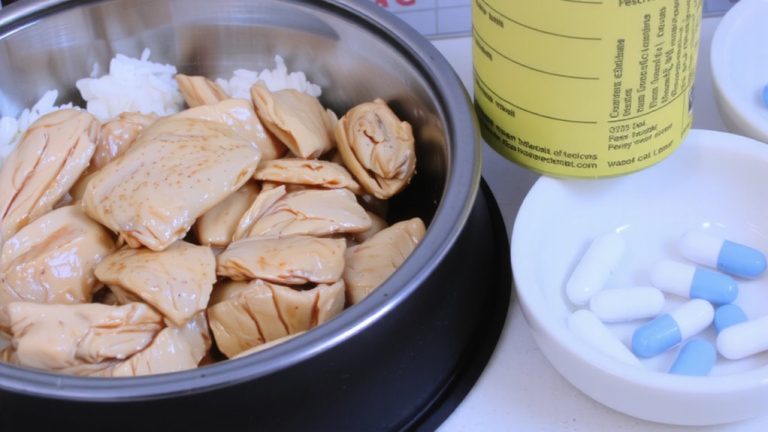
Once your vet confirms a Giardia infection through stool testing or antigen detection, treatment can begin right away with prescription medications proven to tackle the parasite. Your veterinarian will likely prescribe fenbendazole, given daily for 5–7 days, as it effectively targets the trophozoite stage of the intestinal infection. Metronidazole is another common medication, used for 3–10 days, especially if symptoms persist. For tough cases of Giardia in dogs, combination therapy with both fenbendazole and metronidazole increases success. These medications reduce cyst shedding but don’t kill all cysts, so cleaning is still critical. Always follow your veterinarian’s guidance-no over-the-counter treatments work.
| You Feel | Your Dog Feels |
|---|---|
| Worried | Uncomfortable |
| Hopeful | Relief |
| Cautious | Energy returning |
| Proactive | Healing |
| Reassured | Back to normal |
How to Clean Your Home to Prevent Giardia Reinfestation
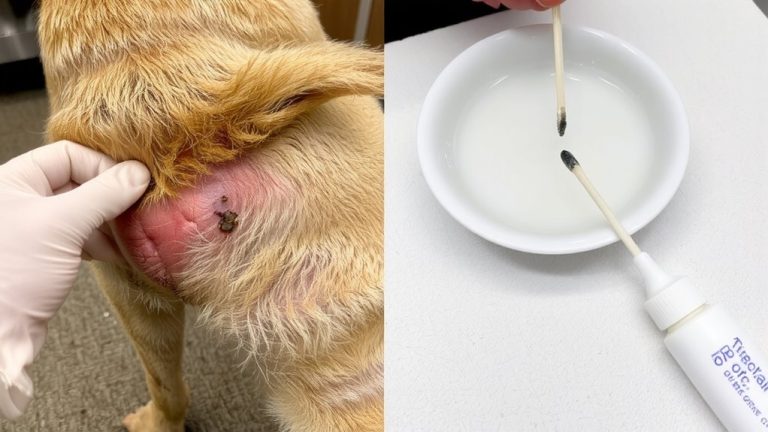
A thorough, daily cleaning routine is essential to stop Giardia from coming back, especially since these tough cysts can survive on surfaces, bedding, and outdoor areas long after your dog shows symptoms. You should clean and disinfect all pet-contact surfaces daily using a 1:32 bleach solution or steam cleaning-both effectively kill Giardia cysts, which resist most household cleaners. Remove fecal matter immediately from yards or kennels, and dispose of fecal material properly to prevent contaminated soil. Wash bedding, bowls, and crates in hot, soapy water every day during treatment. Animals should be bathed on the final day of medication to remove cysts from fur, especially near the hind end. Prevent access to standing water, like puddles or stagnant bowls, since drinking contaminated water is a common infection route.
On a final note
Keep your dog safe by cleaning up poop right away, providing clean water, and bathing weekly with a vet-approved shampoo. Use a reliable dewormer like Panacur for 5–7 days if infected. Wash bedding at 130°F and disinfect floors with bleach (1:32 dilution). Giardia clears fast with treatment, so act quickly, stay consistent, and reduce reinfection risks with smart, daily hygiene habits you can start today.