Step-by-Step Guide to Setting Up a Low-Maintenance Planted Betta Tank
Set up your 5-gallon tank with a low-flow filter, a reliable heater, and LED lighting on a 6–8 hour timer to keep conditions stable. Use 10 lbs of crushed black lava rock, a half-inch of rinsed sand, and nutrient-rich UNS Controsoil to anchor plants and fuel growth. Add boiled dragon wood and pH-neutral hardscape to support bacteria. Plant Cryptocoryne wendtii in the soil, then attach Java Fern, Anubias, and Bucephalandra to wood with thread or glue-never bury their rhizomes. Kickstart the nitrogen cycle with ½ tsp fish food and seeded filter media from an established tank. Keep the water at 78°F and test every other day with an API kit until ammonia and nitrite hit zero. Acclimate your betta by floating the bag 10 minutes, then adding ½ cup tank water every 10 minutes before release. Turn off the lights to ease stress. You’ll soon see how these smart choices keep your tank thriving with minimal effort.
We are supported by our audience. When you purchase through links on our site, we may earn an affiliate commission, at no extra cost for you. Learn more. Last update on 19th July 2026 / Images from Amazon Product Advertising API.
Notable Insights
- Choose a 5-gallon tank with LED lighting and a low-flow filter for stable, stress-free conditions.
- Use nutrient-rich substrate and inert hardscape to support plant growth and bacterial colonization.
- Plant hardy, low-light species like Java Fern, Anubias, and Cryptocoryne in appropriate substrates or on hardscape.
- Cycle the tank using ammonia sources and seeded filter media until ammonia and nitrite reach zero.
- Acclimate the betta slowly by temperature and water adjustment, then introduce without bag water.
Set up a 5-Gallon Betta Tank With Essentials
A 5-gallon tank strikes the perfect balance for your betta, giving them room to swim while keeping water parameters stable-something smaller 2–3 gallon setups often struggle with. Your 5-gallon betta tank setup should include key betta fish tank essentials: a low-flow filter to avoid stressing your fish, a reliable heater to maintain 76–81°F, and LED lighting on a timer for 6–8 hours of daily photoperiod. Always use a water conditioner to remove chlorine and detoxify heavy metals. Kickstart your nitrogen cycle using seeded media or a bacterial starter to grow beneficial bacteria-this is essential for long-term water quality. Once cycled, add hardy aquarium plants like Anubias or Java Fern to enhance your planted tank setup. These help maintain balance and give your betta hiding spots. Avoid high flow or aggressive equipment. A well-prepared tank means healthier fish and fewer issues down the line.
Build a Healthy Base for Plants and Bacteria
While your betta’s tank is still empty, now’s the time to lay a foundation that supports both plant growth and beneficial bacteria-start by using a nutrient-rich substrate like UNS Controsoil, which delivers essential minerals to root-feeding plants such as Cryptocoryne wendtii and helps establish a robust biological filter from day one. Add a 10lb layer of crushed black lava rock in the back to elevate your aquascape and create depth, then top with a half-inch of rinsed natural sand to protect the aquarium soil and reduce cloudiness. Boil dragon wood for two hours before placing it in the planted tank to remove tannins and support safe colonization of beneficial bacteria. Use inert, pH-neutral hardscape materials like black lava rock to boost surface area for bacteria without affecting water chemistry. This setup guarantees healthy live plants and a stable environment from the start.
Pick Low-Light Plants That Thrive With Betta Fish
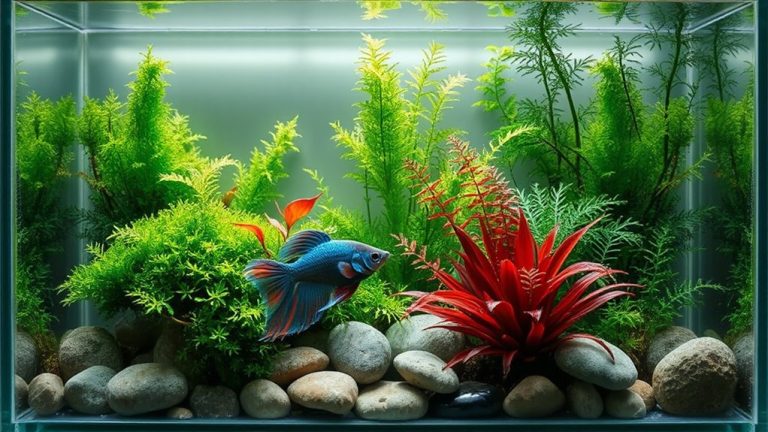
You’ve built a nutrient-rich foundation with UNS Controsoil and set up your hardscape using boiled dragon wood and inert black lava rock, so now it’s time to choose plants that match your betta’s calm nature and the low-light conditions of a simple LED setup. Opt for low-light plants that thrive with minimal care. These aquatic plants stay healthy with just 6–8 hours of LED light daily, reducing algae risk. Below are top plant recommendations:
| Plant | Placement & Care Tips |
|---|---|
| Java Fern | Attach to dragon wood; avoid burying rhizome |
| Cryptocoryne Wendtii Brown | Plant along tank sides in Controsoil |
| Anubias Barteri Round | Tie or glue to hardscape; low light tolerant |
| Bucephalandra Arrogant Blue | Fix to wood; thrives in stable conditions |
Add Marimo Moss Balls for soft resting spots and natural filtration. They’re tough, algae-resistant, and perfect for betta behavior. Anubias Nana works well alongside these, offering texture and coverage. These plant recommendations create a serene, functional home.
Start the Nitrogen Cycle the Right Way
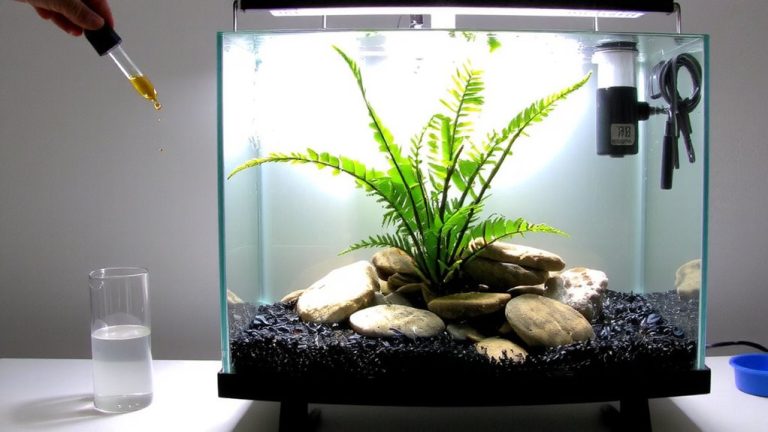
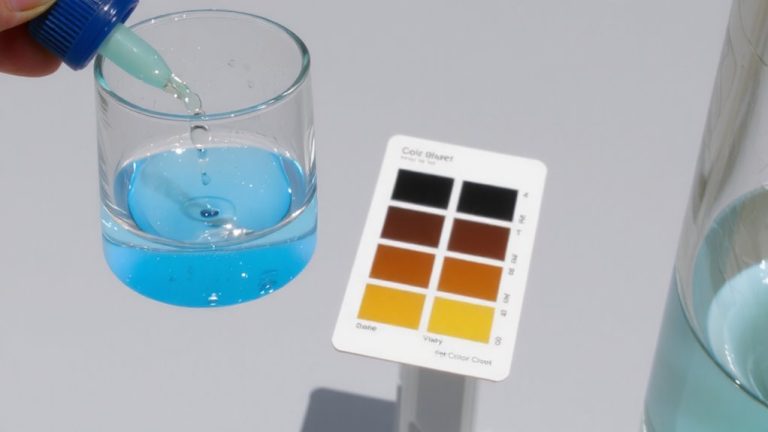
Since your tank’s planted and hardscape is in place, it’s time to kick off the nitrogen cycle the right way-this is what keeps your betta healthy long-term. Add ½ tsp of fish food to decay and release ammonia, fueling the start of the cycle. For faster results, seed your filter with filter media from an established aquarium to jumpstart beneficial bacteria. Keep water temperature stable at 78°F using a reliable heater-this optimizes bacterial growth. Test every other day with an API test kit: first you’ll see ammonia, then nitrites, and finally nitrates. The cycle finishes when ammonia and nitrites drop to zero, with nitrates present-signaling your tank’s ready. This process takes 2–6 weeks, but testing consistently guarantees accuracy. Proper cycling means a safe, stable home for your betta.
Introduce Your Betta With Safe Acclimation
After confirming your tank has fully cycled with zero ammonia and zero nitrite levels, it’s time to bring your betta home the right way-starting with a calm, controlled acclimation process. Before you acclimate your new betta, test your water to confirm stable water chemistry. Start by float the bag in your betta fish tank setup for 10 minutes. Then gradually mix in tank water to ease the adjustment. Use this simple tank acclimation method:
| Step | Action | Purpose |
|---|---|---|
| 1 | Float the sealed bag | Equalize temperature |
| 2 | Add ½ cup tank water every 10 mins | Adjust to new water chemistry |
| 3 | Use a net to release betta | Avoid contamination |
| 4 | Turn off aquarium lights | Reduce stress |
| 5 | Monitor after release | Guarantee smooth acclimation |
Turn off the aquarium lights before and for 10 minutes after you acclimate betta. This helps your new betta settle in safely, keeping your zero ammonia environment intact.
Keep Water Clear With Simple Weekly Care
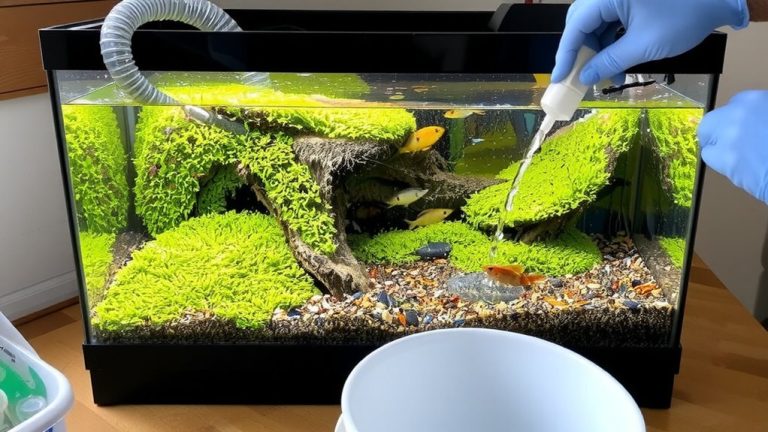
While maintaining a thriving planted betta tank might seem delicate, sticking to a few straightforward weekly habits keeps the water crystal clear and your fish healthy. Perform a 20% water change weekly to control nutrients and guarantee excellent water clarity-use dechlorinated tap water to avoid stressing your betta. Test your water weekly with an API test kit to track ammonia, nitrite, and nitrate levels, guaranteeing stable conditions in your planted aquarium. Preserve beneficial bacteria by rinsing the filter’s sponge in old tank water during water changes, never tap water. Run LED lights 6–8 hours daily with a timer to prevent algae blooms. Avoid overfeeding and remove uneaten food promptly. This simple weekly care routine minimizes biofilm, supports tank maintenance, and keeps your betta active and vibrant-consistency is key.
On a final note
You’ve got everything you need: a 5-gallon tank, nutrient-rich substrate, low-light plants like java fern and anubias, and a cycled system with stable ammonia and nitrite at 0 ppm. Acclimate your betta slowly, feed high-protein pellets in small portions twice daily, and perform 25% water changes weekly with a gravel vacuum. Use a heater to maintain 78°F, and enjoy clear water, healthy plants, and a vibrant, active betta showing natural flaring and steady gill movement-signs of solid health and comfort.