Feline Leukemia Virus (Felv): Prevention, Testing, and Living With an Infected Cat
You’re at risk of FeLV if your cat goes outdoors or interacts with others, since 3%–14% of cats globally carry the virus and it spreads through saliva via grooming, bites, or shared bowls. Test with an ELISA first, then confirm positives with IFA or PCR after 8–12 weeks to catch transient cases. Vaccination is 90%–98% effective and ideal for at-risk cats starting at 8–9 weeks. Keep cats indoors to reduce exposure, and if infected, provide biannual vet checks, supportive care, and avoid stress. FeLV-positive and negative cats can coexist with careful management, regular monitoring, and proper hygiene-there’s a lot you can do to protect your pets and keep them healthy.
We are supported by our audience. When you purchase through links on our site, we may earn an affiliate commission, at no extra cost for you. Learn more. Last update on 19th July 2026 / Images from Amazon Product Advertising API.
Notable Insights
- FeLV spreads through close contact like grooming, biting, and mother-to-kitten transmission via milk or in utero.
- Test cats with ELISA first, then confirm positives with IFA or PCR and retest after 8–16 weeks to distinguish infection types.
- Vaccination is 90%–98% effective and recommended for at-risk cats, but only after confirming negative FeLV status.
- Keep FeLV-positive cats indoors to prevent spread and schedule biannual vet exams with routine lab monitoring.
- No cure exists for FeLV, but supportive care improves quality of life; infected cats should avoid contact with uninfected cats.
What Is FeLV?
Think of FeLV as a silent threat lurking in everyday cat interactions-friendly nips, shared water bowls, or mom nursing her kittens can all spread the virus. Feline leukemia virus (FeLV) is a gammaretrovirus affecting domestic cats worldwide, with infection rates between 3% and 14%. Once exposed, your cat’s immune status plays a major role in infection outcomes. Some cats clear the virus through a strong immune response, leading to regressive infection, where viral replication halts and the cat stays healthy. Others develop progressive infection, where the virus spreads, weakening the immune system and increasing disease risk. FeLV transmission is most common through close contact, not the environment. Most infected cats show no signs early on, making testing critical. Knowing your cat’s status helps guide care, from nutrition to vet visits, ensuring the best long-term wellness.
How Cats Get FeLV: Transmission Routes
Close contact with infected cats is the main way FeLV spreads, and your cat doesn’t need to be an outdoor wanderer to be at risk. Transmission happens most often through saliva during mutual grooming, shared food bowls, or bite wounds. You might not realize that even friendly kitties can pass FeLV this way. A mother cat can also transmit the virus to her kittens before birth, during delivery, or while nursing-kittens are especially vulnerable to provirus integration. Blood transfusions from unscreened donors pose another risk, so always guarantee provirus integration is checked via PCR testing. Though fleas aren’t major players, contaminated needles or tools can spread FeLV, too.
| Route | Risk Level | Preventable? |
|---|---|---|
| Mutual grooming | High | Yes, with testing |
| Bite wounds | High | Yes, via separation |
| Mother to kittens | High | Yes, by isolating infected moms |
Does FeLV Go Away? Understanding Infection Outcomes
So, does FeLV actually go away, or is it a lifelong verdict? Well, it depends on your cat’s immune system and infection outcomes. Some cats clear FeLV completely through an abortive infection, eliminating the virus before it integrates. Others develop a regressive infection, where viral DNA hides in the bone marrow but isn’t active-these regressively infected cats often test positive within 8 weeks but later clear detectable virus. However, stress or illness can reactivate it. Progressively infected cats, though, have ongoing viral replication and remain infectious for life. Diagnostic testing over 8–12 weeks is key, since initial ELISA tests may only catch transient viremia. Understanding whether your cat is regressively or progressively infected helps guide care, monitoring, and long-term health planning.
How Is FeLV Diagnosed? Tests and Results
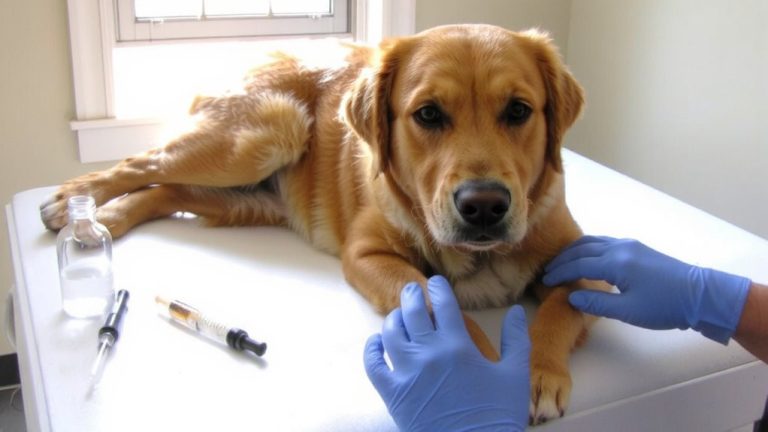
How do you know for sure if your cat has FeLV? Start with the ELISA test, which detects FeLV p27 antigen in blood and can show positive results just 30 days after exposure. This test is ideal for initial screening, but a positive result doesn’t confirm a progressive infection-your cat might have a transient infection that resolves on its own. That’s why confirmatory testing is essential. Follow up with an IFA test, which identifies antigen in white blood cells and platelets, signaling bone marrow involvement and confirming a progressive infection. Alternatively, PCR testing detects proviral DNA integrated into your cat’s genome, staying positive even in regressive cases. For accurate diagnosis, repeat testing over 8–16 weeks helps clarify infection status, as antigen levels in transient infections typically clear by 16 weeks.
Managing FeLV: Care and Treatment Options
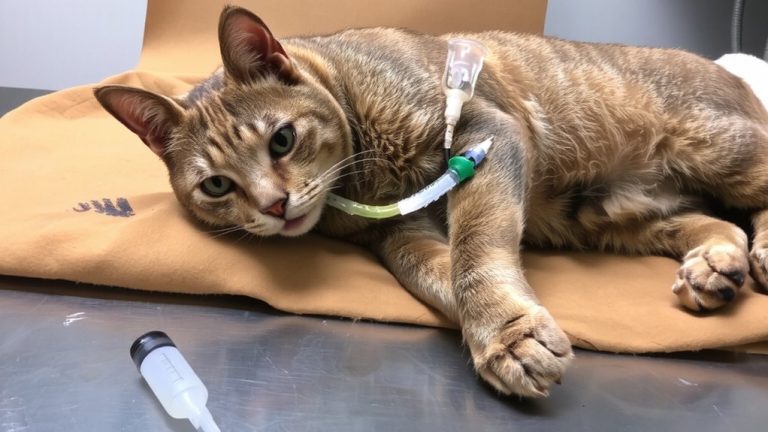
While your cat can’t be cured of FeLV, you can still provide a high quality of life with proactive, consistent care. Managing FeLV means regular veterinary care-biannual exams and yearly CBC, biochemical profiles, and urinalysis help catch issues early. FeLV-positive cats often face weakened immune systems, making them prone to secondary infections. Treatment options focus on supportive care: antibiotics, managing anemia, or blood transfusions if needed. Antiviral drugs like interferon or reverse transcriptase inhibitors have limited success and don’t eliminate the virus. Cats with a progressive infection typically live 2.5 to 3.1 years post-diagnosis, while those with regressive infection may live much longer. Always keep vaccinations up to date, though protocols may be adjusted due to immunosuppression. Monitoring FeLV-infected cats closely improves outcomes and comfort.
How Can FeLV Be Prevented? Vaccines and Indoor Living
If your cat spends time outdoors or interacts with other cats, protecting them from FeLV starts with vaccination and smart lifestyle choices. Vaccines are recommended for at-risk cats, especially those with outdoor access, and are 90% to 98% effective in prevention. Your kitten should get their first FeLV vaccination at 8–9 weeks, then a booster at 12 weeks, only after testing negative for FeLV antigen and provirus. The vaccine specifically targets FeLV-A, the strain that spreads naturally, stopping it from evolving into more harmful subtypes like FeLV-B or FeLV-C. While no vaccine offers 100% protection, combining vaccination with indoor living greatly reduces risk. Keeping your cat indoors limits close contact with infected cats, the main route of transmission through saliva and bite wounds. Prevention is key-especially for cats exposed to unknown or infected cats.
Housing FeLV+ and FeLV− Cats Together
Since FeLV spreads easily through saliva and close contact, keeping FeLV-positive and FeLV-negative cats together increases the risk of transmission, even if they seem healthy. Avoid sharing food bowls, water bowls, and litter boxes to reduce virus transmission. Cats with progressive infection shed the virus constantly, making prolonged contact especially risky. Regressively infected cats may not shed the virus normally but can reactivate if stressed or ill, posing a hidden threat. Though vaccination helps protect FeLV-negative cats, it’s not 100% effective. If you must house them together, guarantee all FeLV-negative cats are vaccinated and monitor interactions closely. Still, immediate separation is best after diagnosis-limited exposure carries only a 3% transmission risk, but prolonged contact can raise it to 30%.
On a final note
You can keep your FeLV+ cat happy and healthy with proper care, regular vet visits every 6 months, and a balanced, high-protein diet like Royal Canin Veterinary Diet. Keep them indoors to prevent spread, use separate food bowls, and test all cats annually. While FeLV doesn’t go away, many live years with good quality of life. Vaccinate at-risk cats, and never house FeLV– and FeLV+ cats together without precautions.