How to Manage Glaucoma in Dogs and Prevent Vision Loss
Watch for sudden squinting, cloudy eyes, or dilated pupils-especially in high-risk breeds like Cocker Spaniels. If you notice these signs, get your dog’s intraocular pressure (IOP) checked immediately; levels above 40 mmHg can cause blindness in under 24 hours. Use a tonometer for accurate measurement, avoid jugular compression, and test both eyes. Start emergency meds like latanoprost or dorzolamide to lower IOP fast, aiming to keep it under 25 mmHg. If the eye is blind and painful, surgical options like enucleation or transscleral cyclophotocoagulation can help. Prosthetic eyes are an option post-surgery, with ongoing monitoring to manage long-term comfort and health. There’s a lot more to take into account when protecting your dog’s vision and quality of life.
We are supported by our audience. When you purchase through links on our site, we may earn an affiliate commission, at no extra cost for you. Learn more. Last update on 19th July 2026 / Images from Amazon Product Advertising API.
Notable Insights
- Recognize early signs like squinting, cloudy eyes, bulging, or red sclera to initiate prompt treatment.
- Measure intraocular pressure (IOP) immediately using a tonometer, avoiding jugular compression for accuracy.
- Treat IOP above 40 mmHg as an emergency to prevent irreversible vision loss within 24 hours.
- Use medications like prostaglandin analogues and carbonic anhydrase inhibitors to lower IOP every 8–12 hours.
- Consider surgical options like cyclophotocoagulation or enucleation for advanced or blind painful eyes.
Recognize the Warning Signs of Glaucoma in Dogs
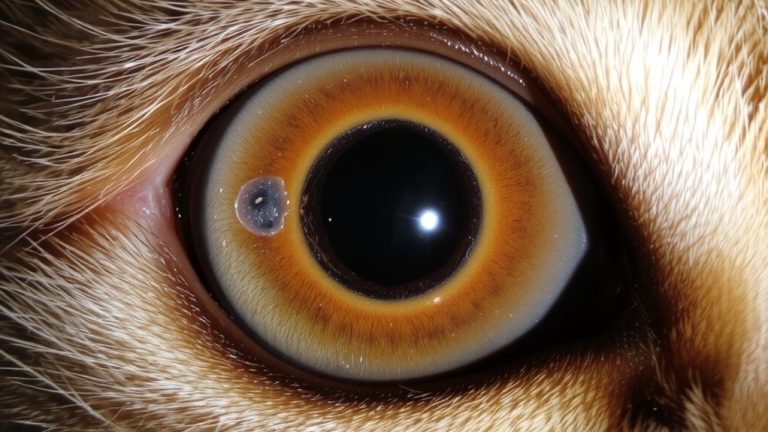
What if your dog’s sudden squinting or cloudy eye is more than just a minor irritation? It could be glaucoma, a serious condition where increased intraocular pressure (IOP) damages the eye rapidly. Pressure can spike above 40–50 mmHg, leading to vision loss in under 24 hours if untreated. Watch for signs like a bulging eye, cloudy or bluish cornea, red sclera, or a dilated pupil. Your dog might squint, tear excessively, or avoid light due to pain. Behavioral changes-pawing at the eye, head rubbing, lethargy, or appetite loss-often accompany these symptoms. Immediate veterinary attention is critical. A thorough eye examination can confirm glaucoma and help preserve remaining vision. Early detection matters, especially for high-risk breeds like Cocker Spaniels and Basset Hounds. Don’t wait-prompt action helps prevent irreversible damage.
Measure Eye Pressure Immediately in Suspected Cases
When you suspect glaucoma, don’t wait-measuring your dog’s intraocular pressure (IOP) right away with a tonometer can make the difference between saving vision and irreversible blindness. High eye pressure, especially above 40–50 mmHg, can cause permanent damage in hours. Use a tonometer to measure intraocular pressure accurately, ensuring not to compress the jugular, which can falsely elevate readings. Always check both eyes, since increased intraocular pressure often affects the second eye within 12–18 months in dogs. Combine IOP results with clinical signs to confirm glaucoma in dogs. See a veterinary ophthalmologist immediately-delay risks irreversible damage to the optic nerve and retina from sustained pressure within the eye.
| IOP (mmHg) | Interpretation |
|---|---|
| 10–20 | Normal |
| 21–28 | Upper normal |
| 29–39 | Elevated |
| 40–50 | Emergency |
| >50 | High risk of blindness |
Reduce Pressure Fast With Emergency Medications
Time is vision when your dog’s eye pressure spikes into the danger zone-think 40–50 mmHg or higher-and every minute counts. You need emergency medications now to lower intraocular pressure (IOP) fast and protect the retina and optic nerve. Start with prostaglandin analogues like latanoprost or travoprost; they boost uveoscleral outflow, slashing IOP within hours. Pair them with carbonic anhydrase inhibitors such as dorzolamide to cut aqueous humor production at the ciliary body. Add beta-adrenergic blocking agents like timolol for a triple-action attack on fluid buildup. These drops work fast, but you’ve got to act immediately-delays cause irreversible vision loss. Administer each med exactly as directed, usually every 8 to 12 hours, and monitor closely. Quick, coordinated treatment gives your dog the best shot at saving sight, keeping IOP under 25 mmHg, and avoiding permanent retinal damage.
Surgical Options for Blind or Painful Eyes
If your dog’s eye has become blind and painful due to end-stage glaucoma, surgery can offer lasting relief and improve their quality of life. Enucleation, removing the entire eye, is a straightforward solution for a blind eye that no longer responds to treatment, instantly eliminating pain. Evisceration preserves the scleral shell and offers a more natural look while still relieving intraocular pressure. For less invasive control, transscleral cyclophotocoagulation (TSCP) targets the ciliary body with laser energy to reduce aqueous humor production. Other surgical techniques, like intravitreal gentamicin, destroy ciliary body epithelium, with 65–80% success in managing a painful eye. While drainage of aqueous humor can help, it’s often ineffective long-term in blind eyes. Prosthetic options post-enucleation improve cosmetics but require monitoring.
On a final note
You’ll catch glaucoma early if you watch for red, painful eyes or sudden vision changes. Act fast-eye pressure over 25 mmHg needs immediate vet care. Use prescribed drops like dorzolamide, 2–3 times daily, to lower pressure quickly. If vision’s lost, surgery options like cyclodestruction or prosthetic implants can relieve pain. Always follow up with IOP checks every 1–2 weeks for stable control.