Recognizing and Managing Feline Cholangiohepatitis
You’ll want to act fast if your cat shows vomiting, jaundice, or won’t eat-these often signal cholangiohepatitis, especially with gut or pancreatic inflammation. Blood tests usually show high ALT, ALP, and bilirubin, while ultrasound helps rule out lipidosis. Neutrophilic cases need 3–6 months of antibiotics; lymphocytic ones respond to prednisolone. Most cases involve triaditis, so checking cobalamin and PLI levels makes sense. Early support with nutrition, meds, and monitoring boosts outcomes markedly-there’s more to know about long-term care.
We are supported by our audience. When you purchase through links on our site, we may earn an affiliate commission, at no extra cost for you. Learn more. Last update on 19th July 2026 / Images from Amazon Product Advertising API.
Notable Insights
- Feline cholangiohepatitis involves liver and bile duct inflammation, often linked to concurrent gut and pancreatic disease known as triaditis.
- Early signs include anorexia, vomiting, weight loss, and lethargy, with jaundice indicating advanced liver involvement.
- Diagnosis relies on bloodwork showing elevated liver enzymes and hyperbilirubinemia, confirmed via ultrasound-guided liver biopsy.
- Neutrophilic cholangiohepatitis requires long-term antibiotics; lymphocytic form is treated with immunosuppressive doses of prednisolone.
- Prognosis improves with early treatment and monitoring, including serial blood tests, bile acids, and abdominal ultrasounds.
What Is Feline Cholangiohepatitis?
Inflammation in your cat’s liver and bile ducts-known as feline cholangiohepatitis-often doesn’t show up alone, with over 80% of affected cats also dealing with gut inflammation and about half having pancreatic issues, a combo vets call triaditis. This inflammatory condition targets both the bile ducts and surrounding liver tissue, and comes in two main forms: neutrophilic cholangiohepatitis and lymphocytic cholangiohepatitis. Neutrophilic cholangiohepatitis, often linked to bacterial infection like *E. coli* from the intestines, usually hits younger cats and needs 3–6 months of broad-spectrum antibiotics. Lymphocytic cholangiohepatitis, more common in middle-aged to older cats, is immune-mediated and shows lymphoplasmacytic infiltration and fibrous buildup. Because triaditis is so common, vets often test for gut and pancreatic issues alongside liver disease, ensuring a full picture of your cat’s health.
Cats and Liver Disease: Symptoms to Watch For
You might not realize it at first, but when your cat starts acting off-maybe skipping meals, looking a bit yellow around the eyes, or vomiting more than once a week-it’s time to pay closer attention. These could be early signs of liver disease, especially cholangiohepatitis. Watch for weight loss, persistent vomiting, and anorexia, which are common in affected cats. Jaundice, the yellow tint in the eyes or skin, signals severe liver involvement. Many cats with cholangiohepatitis also have inflammatory bowel disease, making symptoms like lethargy and abdominal discomfort easy to miss. Elevated liver enzymes on blood work often confirm something’s wrong, even before jaundice appears. Acute cases may bring fever or a painful belly, while chronic forms creep in slowly. If your cat’s behavior or appetite changes lasting more than a few days, don’t wait-early care improves outcomes.
How Veterinarians Diagnose Cholangiohepatitis
What clues do vets look for when your cat might have cholangiohepatitis? They start by reviewing clinical signs like lethargy, jaundice, and vomiting, then check bloodwork for elevated liver enzymes (ALT, AST, ALP) and hyperbilirubinemia-present in up to 89% and 95% of cases, respectively. An abdominal ultrasound evaluates the liver, gallbladder, and common bile duct, detecting bile duct obstruction, biliary sludge, or thickened ducts. While ultrasound-guided fine-needle aspirate helps rule out hepatic lipidosis or cancer, only an ultrasound-guided biopsy gives a definitive cholangiohepatitis diagnosis. Prior to biopsy, coagulation testing is key, and vets often give vitamin K1 for 2–3 days. Intravenous fluids support hydration during workup.
| Test | Purpose | Detection Rate |
|---|---|---|
| Bloodwork | Assess liver enzymes | Up to 89% |
| Ultrasound | Check bile ducts | High for obstruction |
| Biopsy | Confirm cholangiohepatitis | 100% definitive |
Treating Neutrophilic and Lymphocytic Forms
While treatment depends on the specific type, knowing whether your cat has neutrophilic or lymphocytic cholangiohepatitis makes all the difference in choosing the right approach. If your cat has neutrophilic cholangiohepatitis, it’s likely due to a bacterial infection, often from *E. coli*, and requires long-term antibiotics effective against gram-negative and anaerobic bacteria. Cytology can help detect bacteria faster than histopathology, guiding early treatment. For lymphocytic cholangiohepatitis, the condition is immune-mediated, so prednisolone is the main treatment, sometimes with added immunosuppressants. A liver biopsy is essential to confirm lymphocytic cholangiohepatitis since cytology isn’t enough. Antibiotics won’t help here. Treatment for the neutrophilic form usually lasts 3–6 months, including 4–6 weeks post-recovery, while lymphocytic cholangiohepatitis often needs lifelong prednisolone and monitoring to prevent bile duct damage.
Handling Triaditis: IBD and Pancreatitis Together
Cholangiohepatitis rarely travels alone-up to 83% of affected cats show histologic signs of inflammatory bowel disease, and about half have concurrent pancreatic lesions, pointing to triaditis as a common, intertwined illness complex. When you’re managing cats with cholangiohepatitis, you’ve got to suspect triaditis, especially if diarrhea or abdominal pain appear. Inflammatory bowel disease can trigger bile duct inflammation, potentially leading to biliary duct obstruction and disrupted bile flow. That stasis harms the gall bladder and worsens liver inflammation. Pancreatitis often flares alongside, making diagnosis tricky but critical. Use abdominal ultrasound, serum PLI for pancreatitis, and check cobalamin/folate levels to catch intestinal involvement early. Addressing all three components improves outcomes, so treat the whole picture-not just the liver. Nutrition, antibiotics, and anti-inflammatories must support gut, liver, and pancreatic health together.
Early vs. Late Treatment: What Prognosis Depends On
When caught early, neutrophilic cholangiohepatitis often responds well to treatment, giving your cat a real shot at full recovery if you start therapy before bile duct blockage or serious liver damage sets in. Early treatment greatly improves prognosis, especially when supportive care and antibiotics begin promptly. In contrast, late treatment raises the risk of biliary cirrhosis, worsening outcomes. For lymphocytic cholangiohepatitis, immunosuppressive therapy started early can lead to long-term remission, but delayed care often means chronic management. Triaditis-cholangiohepatitis with pancreatitis or IBD-demands swift, multimodal treatment to improve survival rates.
| Factor | Impact on Prognosis |
|---|---|
| Early treatment | Higher chance of full recovery |
| Late treatment | Increased risk of biliary cirrhosis |
| Triaditis with supportive care | Better outcomes when addressed early |
Ongoing Care: Nutrition, Medications, and Monitoring
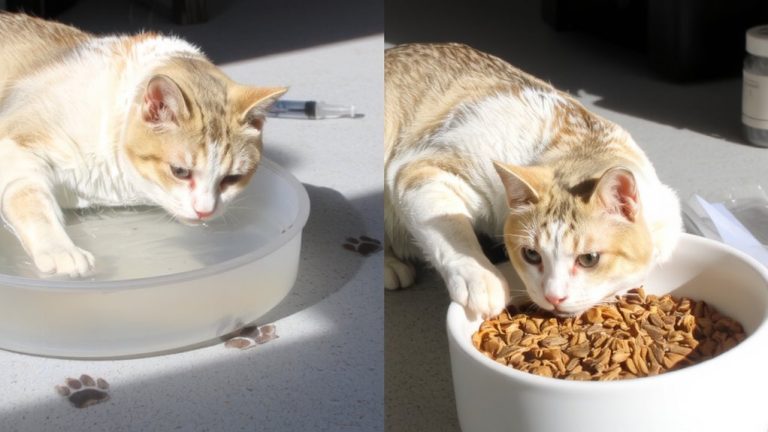
Because your cat’s liver plays a central role in metabolism, ongoing care after a cholangiohepatitis diagnosis means getting the details right-especially when it comes to diet, meds, and checkups. Long-term treatment often includes liver-specific diets low in copper and high in bioavailable protein to support healing. If your cat won’t eat, a feeding tube might be needed to maintain nutrition. For lymphocytic cases, immunosuppressive therapy with prednisolone is usually lifelong, sometimes with added chlorambucil. Neutrophilic forms require 3–6 months of antibiotic therapy, guided by culture. Supplements like SAMe, milk thistle, vitamin B12, vitamin K, and taurine help support liver function. Regular monitoring-serum chemistries, bile acids, ultrasounds-tracks progress and checks for concurrent pancreatic issues, which occur in 50% of cases.
On a final note
You’ve got this: catching cholangiohepatitis early means better outcomes, especially with prompt antibiotics or anti-inflammatories. Feed your cat a highly digestible, low-residue diet like Hill’s i/d or Royal Canin Gastrointestinal, ¼ to ½ cup twice daily. Monitor appetite, hydration, and litter box habits weekly. Blood work every 3–6 months helps track liver values. With consistent meds, proper nutrition, and vet check-ins, many cats live well for years.