How to Identify and Treat Feline Nasal Dermatoses
Check your cat’s nose for crusting, redness, or pigment loss, especially if they’re white or spend time outdoors. Solar dermatitis, pemphigus foliaceus, or mosquito hypersensitivity could be the cause. Use sunscreen formulated for cats with SPF 30+ on exposed areas, and consider omega-3 supplements to support skin health. For diagnosis, your vet may perform a 4 mm punch biopsy or cytology. Treatment often involves prednisolone at 2–6 mg/kg daily or antifungals like itraconazole, depending on the cause-knowing the next steps can clarify your path forward.
We are supported by our audience. When you purchase through links on our site, we may earn an affiliate commission, at no extra cost for you. Learn more. Last update on 19th July 2026 / Images from Amazon Product Advertising API.
Notable Insights
- Look for early signs like crusting, redness, or pigment loss on the nose, especially in sun-exposed or sparsely haired areas.
- Consider feline herpesvirus in cats with nasal ulcers that worsen during stress or illness.
- Suspect pemphigus foliaceus if there is crusting, scaling, or “fried egg” cells on cytology, often on the nasal planum.
- Rule out parasites and fungal infections using skin scrapings, Wood’s lamp, and fungal cultures.
- Treat pemphigus with oral prednisolone, and manage fungal infections with long-term antifungals like itraconazole.
Common Causes of Feline Nasal Dermatoses
Think sunburn, but for your cat’s nose-except it’s not just a burn, and it can lead to serious skin issues. Your feline nasal problems often stem from UV radiation, especially in white cats, triggering solar dermatitis and even squamous cell carcinoma on the nasal planum. The bridge of the nose is a hotspot for damage because it has less pigment and fur protection. Feline herpesvirus can also cause crusting and ulcers there, especially during stress. If your cat’s nose shows scaling or yellow crusts, it might be pemphigus foliaceus-an immune-mediated condition affecting up to half of such cases. Mosquito bite hypersensitivity targets outdoor, dark-coated cats, causing seasonal lesions on the nasal planum. These feline nasal issues need early vet intervention to prevent complications.
Recognizing Early Signs of Cat Nose Problems
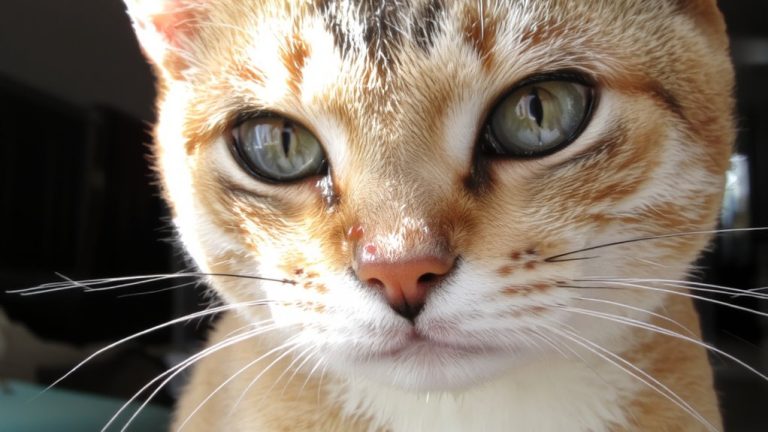
While you’re checking your cat’s ears or giving them a chin scratch, don’t skip the nose-it’s more than just a cool, damp accessory. In cats, early signs of feline nasal dermatoses often include crusting, erythema, and alopecia on the bridge of the nose or nasal planum. These changes can signal underlying skin diseases before ulceration occurs. Watch for loss of pigment on the hairless nasal planum, which may hint at systemic conditions like pemphigus foliaceus. Kittens, especially white-coated ones, might develop solar dermatitis with mild redness or scaling on sun-exposed areas. Crusty, yellow lesions on the nose or concave pinnae? That’s common in early pemphigus foliaceus. Outdoor dark-coated cats may show seasonal crusting during warmer months-think mosquito bite hypersensitivity. Spotting these early signs helps protect your cat’s long-term skin health.
What Diagnosing Nasal Dermatoses Involves?
You’ve already learned what to watch for when nose changes first appear, and now it’s time to understand what happens next-how vets pinpoint the cause. Your vet will start with a thorough history and physical examination, checking for clues like sun exposure or trauma. They’ll take samples of skin to test for bacterial infections and fungal infection, using skin scrapings to rule out parasites. Diagnostic tests often include DTM cultures and Wood’s lamp examination to detect ringworm. Crusts are left intact to preserve material for biopsy, which may involve a 4 mm punch on the nasal planum. For deeper insight, they might also perform blood tests to spot issues like leukocytosis. These steps, combined with histopathology, help identify underlying causes-from infections to immune disorders-so your cat gets the right care fast.
Treating Infections and Parasites on the Nose
When your cat’s nose shows signs of infection or parasitic involvement, prompt and precise treatment makes all the difference in recovery time and comfort. A cat with nasal discharge, crusting, or swelling may have a fungal disease like cryptococcosis-often linked to bird droppings-or aspergillosis from soil exposure. Tests may be recommended to identify the cause of the problem, distinguishing between fungal or bacterial origins. For fungal infections, antifungal medications such as itraconazole or fluconazole are commonly prescribed, sometimes for months. Bacterial infections require appropriate antibiotics. Nasal mites, though rare, respond to avermectins like selamectin. Chronic nasal discharge and ulceration suggest deeper issues, and fungal or bacterial cultures plus CT imaging help guide therapy. Pinpointing the cause of the problem guarantees effective treatment and faster healing.
Managing Immune-Mediated Nose Diseases
If your cat’s nose is affected by an immune-driven condition like pemphigus foliaceus, you’ll need to act early to prevent worsening crusting, scaling, and discomfort, since up to half of these cases involve the nasal planum. This autoimmune disease causes the immune system to attack skin cells, leading to pustules and “fried egg” acantholytic cells on cytology. Don’t clean or clip the area before a vet visit-preserving lesions helps diagnosis via biopsy. A vet won’t surgically remove the affected tissue; instead, they’ll rely on blood work to rule out fungal infections and confirm the disease. Treatment starts with oral prednisolone at 2–6 mg/kg daily, often bringing remission in 2–8 weeks. To reduce long-term steroid use, your vet may add modified cyclosporine (5–7 mg/kg/day). Never use azathioprine-it can cause fatal bone marrow suppression in cats.
Handling Sun Damage and Allergies
Sun damage and allergies can silently harm your cat’s nose, especially if they spend time outdoors or have light-colored fur. Prolonged sun exposure, particularly UV radiation exposure, can lead to solar dermatitis-common in white or light-furred kittens-causing crusting and ulceration on the non-haired nasal planum. To manage sun damage, apply a feline-safe sunscreen twice daily and keep your cat indoors during peak sunlight hours (10 a.m.–3 p.m.). Topical cortisone lotion helps reduce inflammation in affected feline skin. For mosquito bite hypersensitivity, which causes nasal planum crusting in dark-coated, outdoor cats during warm months, glucocorticoids like 1–2 mg/kg prednisolone daily are effective, typically for 2–4 weeks. Prevent further mosquito bites through environmental controls. Early intervention prevents progression from actinic keratosis to squamous cell carcinoma.
Spotting Tumors and Chronic Nose Conditions
A biopsy’s your best move when you spot persistent crusting, non-healing sores, or unusual growths on your cat’s nose-especially if they’re a white or light-furred cat with outdoor access, since squamous cell carcinoma (SCC) makes up 15% of feline skin tumors and loves to start on the nasal planum. SCC is a common cause of skin disease in cats, often beginning as actinic keratosis and progressing to invasive masses. In feline patients, it’s essential to rule out other causes of skin disease, like herpes virus or respiratory infections, which can cause nasal ulceration and mimic SCC. Cryptococcosis, a less common fungal condition, causes nasal swelling and discharge, often linked to environmental exposure. Secondary bacterial infections complicate many cases. Always perform a 4 mm punch biopsy-don’t clean crusts first-to differentiate neoplastic, immune-mediated, and inflammatory conditions in skin disease in cats. Early diagnosis improves outcomes.
On a final note
You’ve got this-spotting nasal issues early means quicker healing, so check your cat’s nose weekly. Use a soft, lint-free cloth with warm water for cleaning, and apply vet-approved ointments like Feline Nasal Relief Balm as directed. Keep outdoor time limited to 10 minutes midday to reduce sun damage, and feed a balanced diet with omega-3s at 200 mg per 5 lbs of body weight daily.