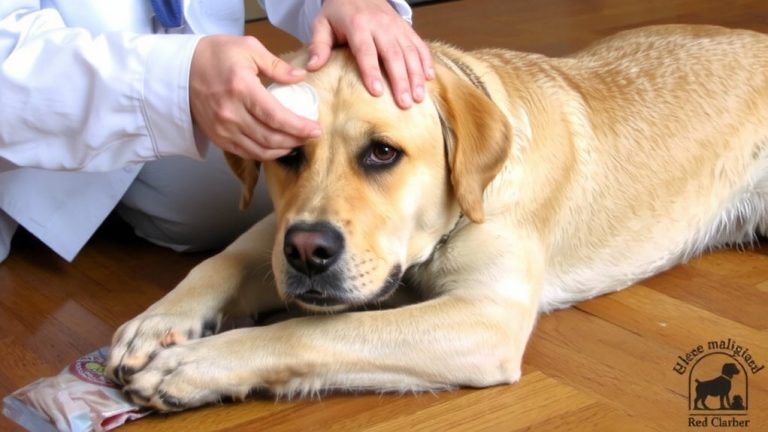
Recognizing and Treating Canine Immune-Mediated Hemolytic Anemia (IMHA)
You might notice your dog feeling weak, breathing fast, or having pale or yellow gums-that’s a sign of immune-mediated hemolytic anemia (IMHA), where the body attacks its own red blood cells. Look for dark orange urine and declining energy. A vet will check PCV, blood smears for spherocytes, and run a Coombs’ test. Start treatment with prednisone at 2 mg/kg daily; add cyclosporine or IVIG if needed. Vaccines, infections, or cancer can trigger it-knowing the cause helps guide care. Spotting symptoms early means better results, and there’s more to know about managing this serious condition.
We are supported by our audience. When you purchase through links on our site, we may earn an affiliate commission, at no extra cost for you. Learn more. Last update on 19th July 2026 / Images from Amazon Product Advertising API.
Notable Insights
- Severe lethargy, pale or yellow mucous membranes, and dark urine are key signs of canine IMHA.
- Diagnosis requires evidence of hemolysis plus ≥2 indicators like spherocytes on blood smear or a positive autoagglutination test.
- Packed cell volume and blood smear findings help confirm anemia and immune-mediated red blood cell destruction.
- First-line treatment is glucocorticoids (e.g., prednisone at 2 mg/kg daily); IV dexamethasone if oral therapy isn’t possible.
- Secondary causes like neoplasia, infections, or drugs must be ruled out, as they trigger up to 25% of IMHA cases.
Recognizing Canine IMHA: Key Clinical Signs
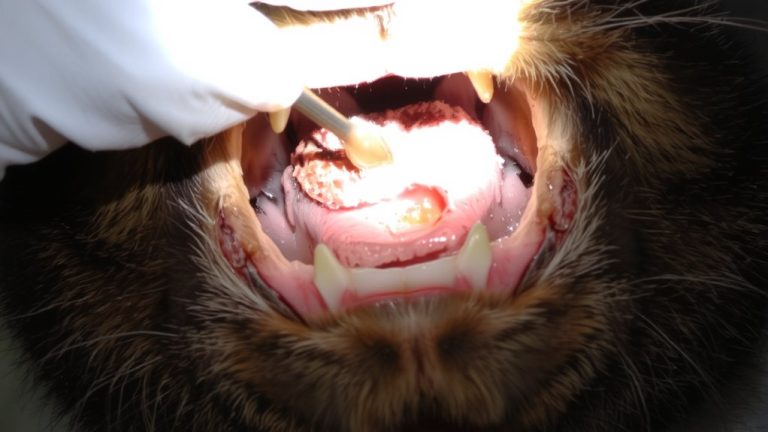
Think of your dog’s energy level, appetite, and gum color as early warning signals-because when IMHA strikes, those are often the first things to change. Dogs with IMHA commonly show clinical signs like severe lethargy and exercise intolerance. You might notice pale or yellow-tinged mucous membranes, a key clue pointing to anemia or jaundice. As the body struggles with low oxygen, tachycardia and tachypnea develop, even at rest. About two-thirds of affected dogs develop jaundice from hemolysis, while hemoglobinuria turns urine dark orange or brown. Some present with splenomegaly, detectable during physical exam. Don’t be fooled if initial bloodwork shows nonregenerative anemia-up to one-third lack a regenerative response early. This isn’t a nutrition or behavior issue; it’s an immune system attack on red blood cells. Spotting these signs early improves outcomes, so monitor closely and act fast.
Diagnosing Canine IMHA: Essential Tests and Interpretation
How do you confirm IMHA when your dog’s gums are pale, their energy’s low, and bloodwork shows anemia? Start with key diagnostic tests. Check the packed cell volume to confirm anemia, then examine a blood smear for spherocytes-seen in up to 89% of cases-and signs of regenerative anemia like polychromasia. Look for autoagglutination by mixing one drop of blood with four to ten drops of saline; clumping suggests immune-mediated destruction. A positive direct antiglobulin test, also called Coombs’ test, supports diagnosis, though false negatives happen, especially after starting immunosuppressive therapy. Pair these with serum chemistry to rule out other causes. You’ll need at least two indicators-like spherocytes or a positive Coombs’ test-plus evidence of hemolysis, such as jaundice, to confirm IMHA.
Treating Canine IMHA: First-Line and Rescue Options
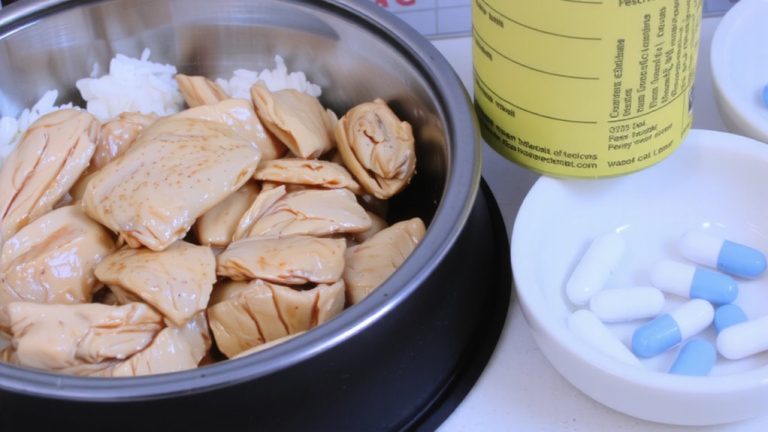
While your dog may seem weak and pale from IMHA, starting the right treatment quickly can make a real difference. Glucocorticoid administration is your first step-use prednisone or prednisolone at 2 mg/kg daily, as 80% of dogs respond to this alone. If your dog can’t take pills, switch to dexamethasone IV at 0.1–0.3 mg/kg every 12–24 hours, though it doesn’t boost survival. If there’s no improvement in 7 days or your dog still needs transfusions, add second-line immunosuppressive medications like cyclosporine (2.5–5 mg/kg PO q12h), mycophenolate mofetil (10–20 mg/kg PO/IV q12h), or leflunomide (4 mg/kg PO q24h). Avoid azathioprine due to risks of bone marrow suppression and pancreatitis. For severe, refractory cases, IVIG at 0.5–2 g/kg IV over 6–12 hours may help by blocking RBC destruction.
Common Triggers of Canine IMHA
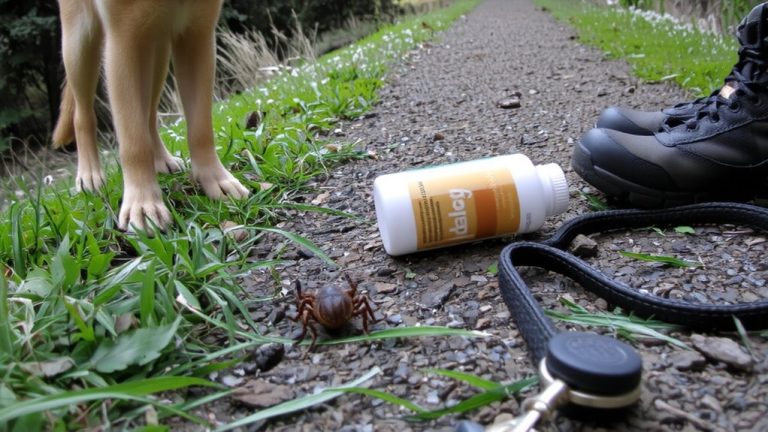
What’s behind your dog’s immune system suddenly turning on their own red blood cells? In about 25% of cases, it’s secondary IMHA, sparked by an underlying condition. Neoplasia is the most common trigger, with lymphoma, leukemia, and hemangiosarcoma often to blame. Infections like Ehrlichia and Babesia-spread by ticks or transfusions-alter red blood cell surfaces, prompting immune attacks. Drug reactions, particularly from penicillin, cephalosporins, or sulfonamides, can also induce secondary IMHA through hapten formation. Though rare, vaccine administration has been anecdotally linked to IMHA, with signs appearing 1–30 days post-shot; however, a proven causal link remains unclear. Identifying the root cause is essential-treating the underlying condition improves outcomes. Always discuss risk factors with your vet, especially if your dog has a history of infections, neoplasia, or prior immune issues.
On a final note
You’ll spot IMHA fast with pale gums, lethargy, and rapid breathing, so check your dog’s gum color daily. Confirm with a CBC, pcoag, and Coombs test-vets use these to catch immune attacks on red blood cells. Start treatment with prednisone or dexamethasone right away, then add azathioprine if needed. Use IV fluids, keep your dog warm, and avoid triggers like certain antibiotics or vaccines without vet approval.