Identifying and Treating Conjunctivitis in Dogs and Cats at Home and Clinically
You’ll spot conjunctivitis when your pet’s eyes turn pink, swell, or ooze yellow-green discharge, often from bacteria like Staphylococcus, viruses such as feline herpesvirus, or allergens like pollen. Use a warm, damp cloth to gently wipe debris, and apply Terramycin for bacterial cases or flush with sterile saline daily. If squinting persists or discharge turns purulent, see your vet-they may perform fluorescein staining, check Schirmer tear values (below 15 mm/min in dogs is concerning), and prescribe antivirals, prednisolone acetate 1%, or cyclosporine 0.2–2%. Real users saw improvement in 48 hours when acting early, but accurate diagnosis guarantees the right treatment-discover how specific conditions shape recovery and care choices.
We are supported by our audience. When you purchase through links on our site, we may earn an affiliate commission, at no extra cost for you. Learn more. Last update on 19th July 2026 / Images from Amazon Product Advertising API.
Notable Insights
- Conjunctivitis in pets presents with redness, discharge, swelling, squinting, and may stem from infections, allergies, or anatomical issues.
- Bacterial causes include Staphylococcus in dogs and Chlamydophila felis in cats, while feline herpesvirus is a common viral trigger.
- At home, gently clean discharge with warm water or saline; avoid touching the eye directly.
- Veterinary diagnosis involves fluorescein staining, Schirmer tear test, tonometry, and cytology to identify underlying causes.
- Treatment includes topical antibiotics, antivirals like L-lysine for cats, or immunomodulators like cyclosporine for chronic cases.
What Causes Conjunctivitis in Dogs and Cats?
A fair number of cases you’ll see in dogs and cats stem from bacterial infections, with Staphylococcus and Streptococcus being common culprits, and in cats, Chlamydophila felis is a primary pathogen you’ll want to rule out early. Conjunctivitis in pets often arises from viral infections like feline herpesvirus or canine herpesvirus, which weaken the immune system and invite secondary bacterial infection. In dogs, allergic conjunctivitis is frequently tied to environmental allergens such as pollen or dust, triggering redness and inflammation. Cats may experience similar reactions, though less commonly. Foreign bodies, eyelid issues, or cilia disorders can also cause mechanical irritation and inflammation in both species. Immune-mediated conditions, including atopic dermatitis in dogs or eosinophilic keratoconjunctivitis in cats, contribute to chronic cases. Identifying the root cause-whether microbial, allergic, or structural-is essential for effective treatment and long-term eye health.
Common Signs of Conjunctivitis to Watch For
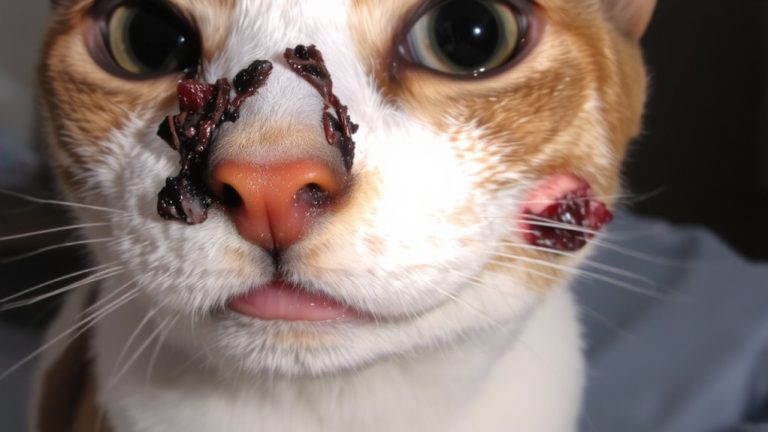
Redness, the most obvious clue you’ll notice, typically shows up in one or both eyes as a pink to reddish tint from dilated blood vessels in the conjunctiva, and if you’re checking your pet’s eyes regularly-say during morning grooming or feeding-you’ll catch it early. That redness, or hyperemia, is a classic sign of conjunctivitis. You might also see excessive tearing or abnormal discharge-clear at first, then possibly turning yellow or green. Look for chemosis, where the conjunctiva swells and appears puffy and translucent. If your pet is squinting or showing blepharospasm, that’s a clear sign of ocular discomfort. Discharge, red eyes, and persistent rubbing are red flags. Prominent lymphoid follicles-tiny, raised bumps on the inner eyelid-suggest chronic inflammation. Together, these signs point to conjunctivitis, whether from infection, allergy, or irritation, and mean it’s time to monitor closely or consult your vet.
When to Seek Veterinary Care for Conjunctivitis
Seeing those telltale signs like red, goopy eyes in your dog or cat might have you checking their face every few hours, especially if they’re blinking more than usual or rubbing their eyes on the carpet. While mild cases may improve with basic eye drops, you should seek veterinary care if clinical signs worsen. Severe cases with thick green or yellow discharge often need prescription topical medications. Suspect a corneal ulcer if squinting or cloudiness appears-vets use fluorescein staining to diagnose conjunctivitis and assess tear production. Immediate foreign body removal might be needed. Never delay care if your pet shows vision changes or systemic symptoms, as these could point to an underlying cause like feline herpesvirus.
| Sign | Action |
|---|---|
| Purulent discharge | Vet visit for antibiotics |
| Persistent redness | Seek care within 72 hours |
| Marked squinting | Rule out corneal ulcer |
How Vets Diagnose Conjunctivitis in Dogs and Cats
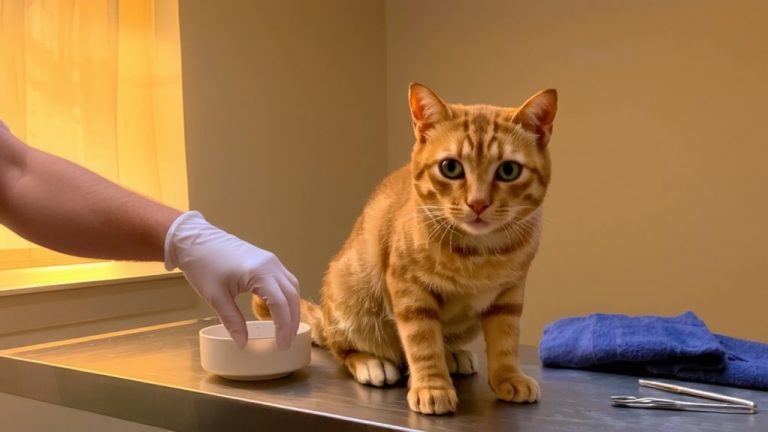
While your pet’s eye discomfort might seem straightforward, vets take a systematic approach to diagnose conjunctivitis and rule out more serious conditions. They’ll start by checking facial conformation, globe position, and palpebral reflexes to assess ocular function in both conjunctivitis in dogs and conjunctivitis in cats. A Schirmer tear test measures tear production-values below 15 mm/min in dogs or 10 mm/min in cats suggest keratoconjunctivitis sicca. Fluorescein staining reveals corneal ulcers, which glow green under blue light. Tonometry, done after topical anesthesia, measures intraocular pressure to exclude glaucoma. If needed, vets use conjunctival cytology or swabs to detect infectious agents like Chlamydophila felis in cats or Staphylococcus in dogs. These targeted steps guarantee accurate diagnosis and effective treatment.
Home Care and Medications for Conjunctivitis
If your dog or cat has been diagnosed with conjunctivitis, you can help manage their discomfort at home-but only with guidance from your vet, since missteps can worsen irritation or delay healing. At-home care should include gently wiping eye discharge with a soft, damp cloth and warm water, being careful not to touch the conjunctiva. Never administer eye medications without a vet’s approval. Treatment often includes topical antibiotics like Terramycin for bacterial cases, or antihistamines and corticosteroids for allergic signs. In severe or foreign-body cases, prescription drops such as prednisolone acetate 1% may be needed. For chronic conditions, cyclosporine or tacrolimus helps control inflammation. Avoid OTC human drops or herbal remedies-some can damage the eye. Always follow your vet’s instructions when you administer eye treatments to guarantee proper healing.
Preventing Recurrent Conjunctivitis in Dogs and Cats
Because recurring conjunctivitis can turn into a persistent issue-especially in breeds prone to eye irritation-you’ll want to stay ahead with consistent, targeted prevention. Conjunctivitis in dogs depends on addressing root causes, like dry eye or immune-mediated conjunctivitis. The conjunctiva covers the eye’s surface and lines the eyelids, protecting the mucous membrane from foreign material. To reduce the risk, clean your pet’s periocular area daily with sterile saline, removing debris that can trigger flare-ups. For brachycephalic breeds, surgical correction of eyelid issues helps. Long-term management of immune-mediated conjunctivitis with topical cyclosporine (0.2–2%) or tacrolimus (0.02–0.1%) works well. In cats, L-lysine (250–500 mg twice daily) can reduce feline herpesvirus recurrences. Support tear production and manage keratoconjunctivitis sicca (KCS) proactively. Use hypoallergenic diets and HEPA filters to lower allergic triggers.
On a final note
You can manage mild conjunctivitis at home with vet-approved eye drops, like Terramycin ointment, applied twice daily, but always confirm the cause first, since viral, bacterial, and allergic forms need different treatments. Keep your pet’s eyes clean using sterile saline wipes, one per eye, and prevent rubbing with an Elizabethan collar if needed. Chronic cases often stem from untreated allergies or dry eye, so omega-3 supplements-think 300 mg DHA daily for a 20-lb dog-support long-term eye health.